





Bezos yes, Mamdani no Who cares about the Met Gala?

Bezos yes, Mamdani no Who cares about the Met Gala?

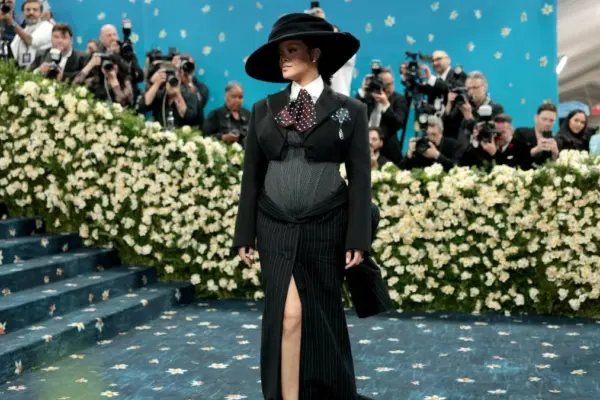
There was a time when an invitation to the Met Gala conferred more authority than visibility. Those who ascended those stairs did not need to amplify their image: they already defined taste. In 2003, when the entry cost $3,500, critic Cathy Horyn described it as “the most expensive party in town.” The sponsor was Gucci, Tom Ford was at the height of his influence (not yet measured in followers or likes), and the detail (4,000 peonies in the centerpieces) was not excess, but language. Taste was the theme. Taste was the argument.


Read More
The foundations of Bad Bunny's Little House

The foundations of Bad Bunny’s Little House

Everything comes from Benito’s mind. It’s a unique case that we might never see again. He calls me and I say he’s crazy, how is he going to do this. But the impossible is what we want to do,” says Puerto Rican music promoter Alejandro Pabón to a captivated audience at the CCCB Auditorium. Pabón, with his ‘r’s turned into sonorous ‘l’s, explains how Bad Bunny’s 30 residency concerts in Puerto Rico were born, which the team, he confesses, “we code-named the Super Bowl, without knowing he would sing in it later.” Thirty performances that have shaken up industry models but especially his country, where, he lists, they have even brought dominoes back into fashion and made the government understand that music can be one of its great export products. Now they are creating open studios for young people.

Read More
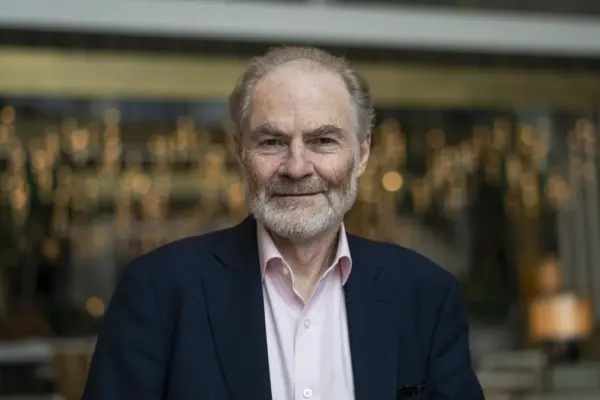
Timothy Garton Ash, chronicler of Europe after the wall, wins the Princess of Asturias Award for Social Sciences

Timothy Garton Ash, chronicler of Europe after the wall, wins the Princess of Asturias Award for Social Sciences

Timothy Garton Ash (London, 1955) has documented live the European history of the last four decades from his dual role as historian and journalist. Professor of European Studies at the University of Oxford, he has outlined in his books a history of the European present that he has compiled in books such as Freedom of Speech, Facts Are Subversive, or his own History of the Present, all published by Tusquets. A representative of the old enlightened liberalism, he studied Modern History at Oxford, where he became interested in the German resistance to Hitler, which led him to live in Berlin and to gain an in-depth knowledge of the countries of the former Eastern Europe. Precisely in his book The Magic Lantern (Taurus) he narrates the moment when Eastern Europe on the other side of the Berlin Wall begins to falter, a moment he experiences firsthand, including the first free elections in Poland.

Read More