








After three consecutive months with inflation holding steady at 3.2%, in July it has risen three tenths to 3.5%. The Iran war has its effects, although limited by the two packages of measures that the Government has adopted since the conflict broke out, the latest still in force until the end of September.
Read more GDP grows by 0.7% in the second quarter thanks to the boost from consumption
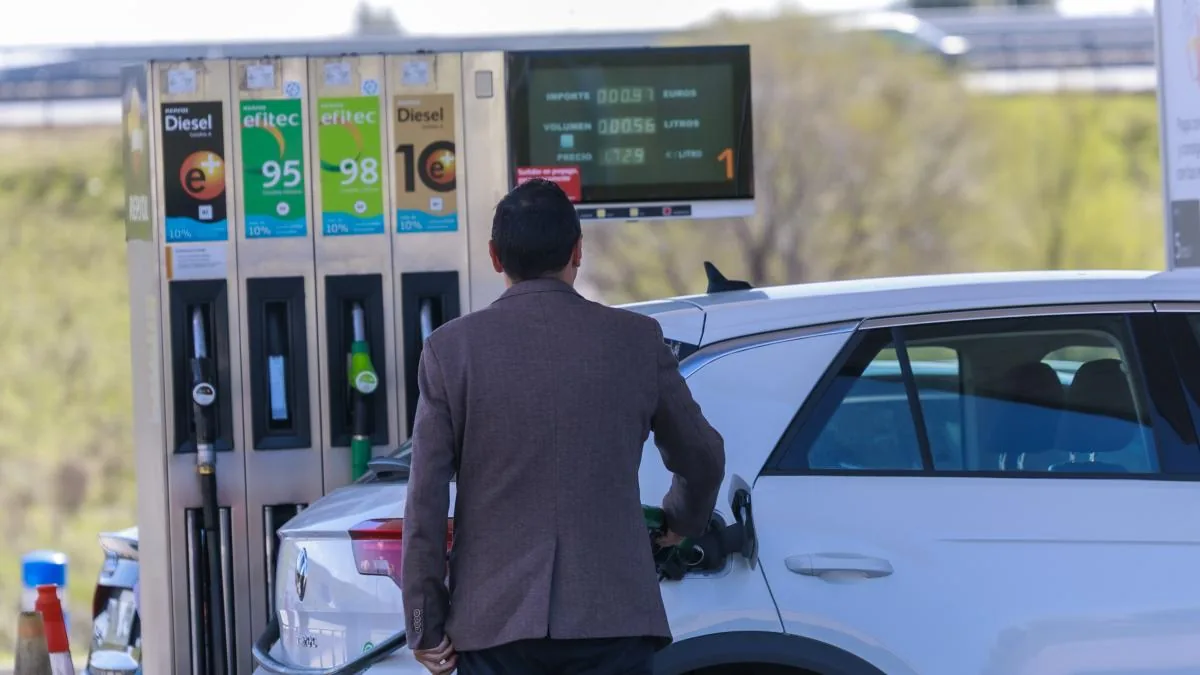
It is fuels and electricity that have driven this increase in inflation in July, and here it is noticeable, on the one hand, that aid measures in these areas are being gradually withdrawn, as well as the increase in the price of oil. In this regard, the impact of the fluctuation in the Brent barrel price is noticeable. The month started with Brent crude at 72 dollars, but the breaking of the fragile truce agreed caused a progressive increase that has reached 84 dollars in recent days. Bad news in this period of the year of full holidays and therefore more consumption of gasoline.
On the other hand, core inflation, which does not take into account energy or fresh food, has also increased by one tenth to 3%.
From the Ministry of Economy, however, they highlight the effects that the measures adopted have had, which they estimate have reduced the average inflation by one point in recent months, that is, that the response plan would have cushioned more than 60% of the price increase due to the external shock caused by the Iran war.
Read more Poland investigates a possible impact on its territory after a massive Russian attack on Ukraine
The truth is that when finally, at the beginning of the year, inflation entered the desired zone, around 2%, the conflict broke out and shot prices up, although in a contained way. The two aid packages approved by the Government, the latest still in force until September 30, although decreasing, have allowed it to remain at 3.2% during the last three months until this 3.5% in July.
After three weeks of the war breaking out, the Government approved a first package of measures, both sectoral and reducing VAT on fuels and electricity, to limit their transfer to prices. This package was renewed on June 30, but already eliminating some measures and with others applied in a decreasing manner until the end of September.
For the coming months, everything will depend on the evolution of the conflict, although the forecast points to a progressive increase in prices, reaching close to 4% by the end of summer and with an average for the year around 3.3%.
Read more United States launches a new wave of bombings against Iran and intensifies the war