






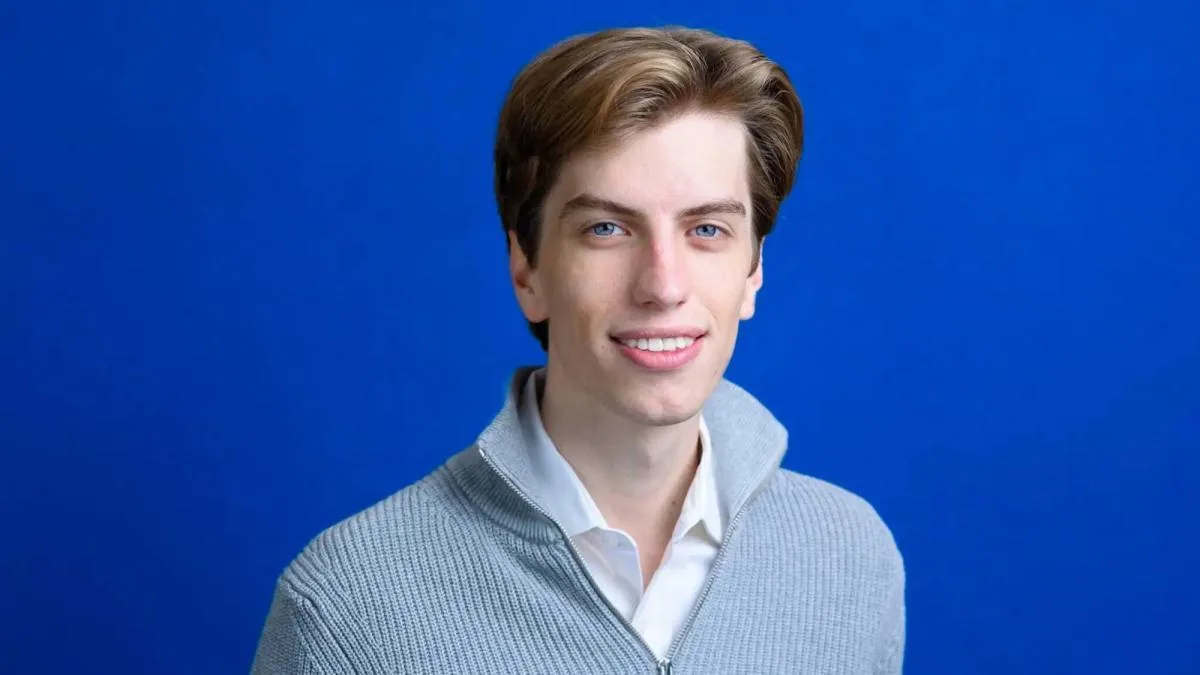
Not all are success stories in the artificial intelligence industry. This summer, the young prodigy Leopold Aschenbrenner has ruined dozens of investors who trusted his grandiose promises. Practically overnight, $30 billion entrusted to him was reduced to nothing. The Situational Awareness investment fund turned out to be a mirage. The market was left speechless at such a collapse. It was no surprise.
Read more In the Soviet Forbidden City of Potsdam
Aschenbrenner was considered a visionary in the Wall Street and Silicon Valley environment. Born in 2001 into a family of doctors in Berlin, the young German had become a reference in AI by publishing a scientific essay called Situational Awareness: The Decade Ahead , in which he argued that the era of general artificial intelligence (AGI) would arrive in 2027 and that the market was underestimating the infrastructure to implement it. Therefore, he encouraged everyone to invest in chips, data centers, energy… Despite his young age, there were reasons to trust his talent. At just 15 years old, he entered Columbia University to study Mathematics, Statistics, and Economics, and upon finishing his studies, he already attracted great interest from the industry.
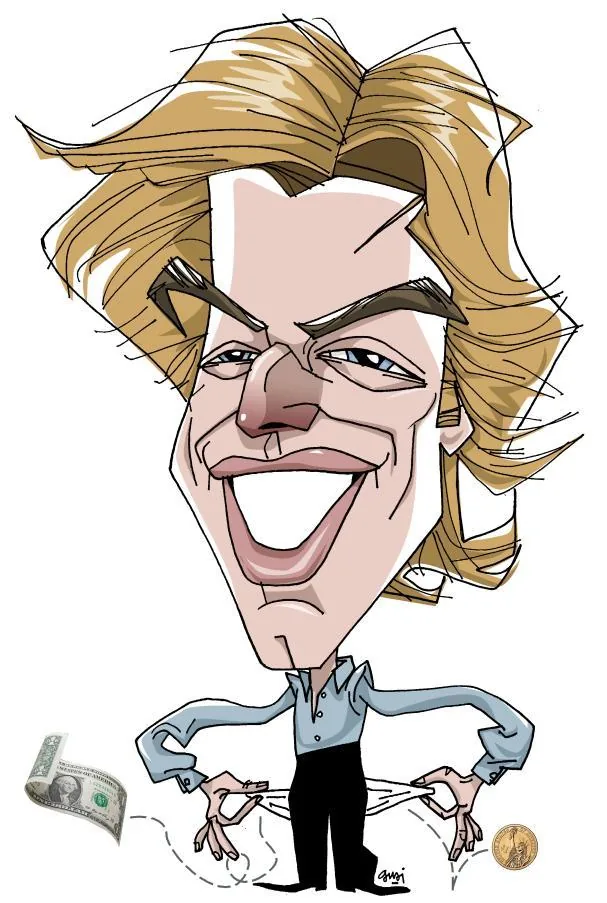
First, he briefly joined the FTX Future Fund (before the cryptocurrency platform’s bankruptcy), and at 21 years old, Sam Altman came looking for him to work at OpenAI as a researcher on the prestigious Superalignment team. However, his time at the company was brief: he was fired after a year amid strong controversy. While the company argued that the young man had leaked confidential information, Aschenbrenner defended that the document he shared was just a brainstorming session and that the real reason for his dismissal was a lack of alignment with the management team. He had sent a memo warning that OpenAI’s cybersecurity protocols were insufficient.
After leaving the company that owns ChatGPT, Aschenbrenner did not succumb; on the contrary. In 2024, he published his scientific essay: 165 pages that went viral in Silicon Valley. Seeing the success of his publication, Aschenbrenner decided to take a step forward by creating the hedge fund Situational Awareness. He had no trouble raising money, $225 million (€195 million) in seed capital from tech magnates. The problem arose later when he leveraged bank loans to increase the value of his portfolio. With financing from entities like JP Morgan, Goldman Sachs, and Citigroup, he managed to quadruple the value of his assets, a decision that proved too risky. The first few months went wonderfully, but by the end of July, semiconductor groups and Nasdaq tech companies experienced a stock market correction that exposed Situational Awareness. The banks demanded guarantees despite the drop in values. The situation could not have been tenser: all this happened on the eve of his wedding to Avital Balwit, (chief of staff at Anthropic), an event attended by numerous investors from the fund. Despite the debacle, everyone ended up toasting to love. But there was no respite; in the following days, the banks began to demand guarantees, and Aschenbrenner was forced to sell much of his portfolio to meet them. From a peak of $45 billion under management, Situational Awareness was left with $10 billion.
High bank debt exposed him when tech companies fell in the stock market
No legal action has been taken against him, but Aschenbrenner leaves a lesson of prudence to Wall Street. According to CNBC, the young prodigy has returned to the scene with new investments and divestments in AI companies. However, without relying on bank loans.
Read more Three men who were spearfishing rescued from the sea in Cádiz