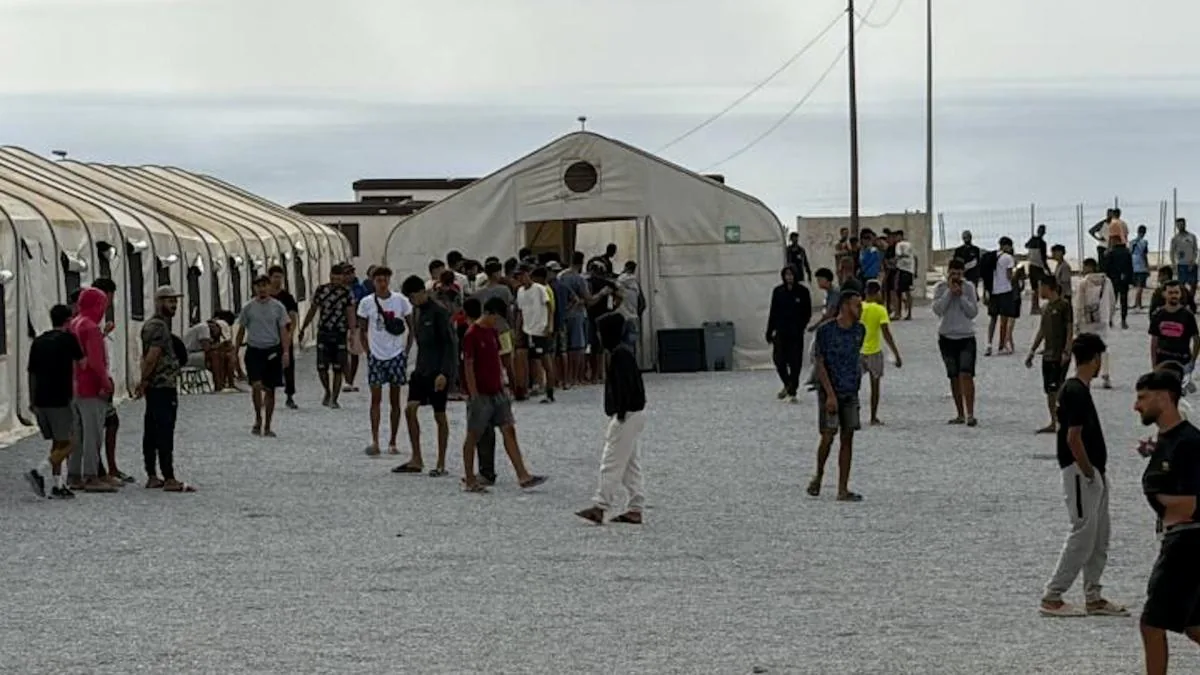
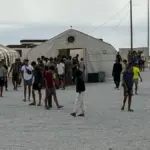





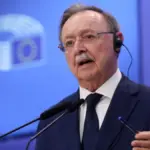
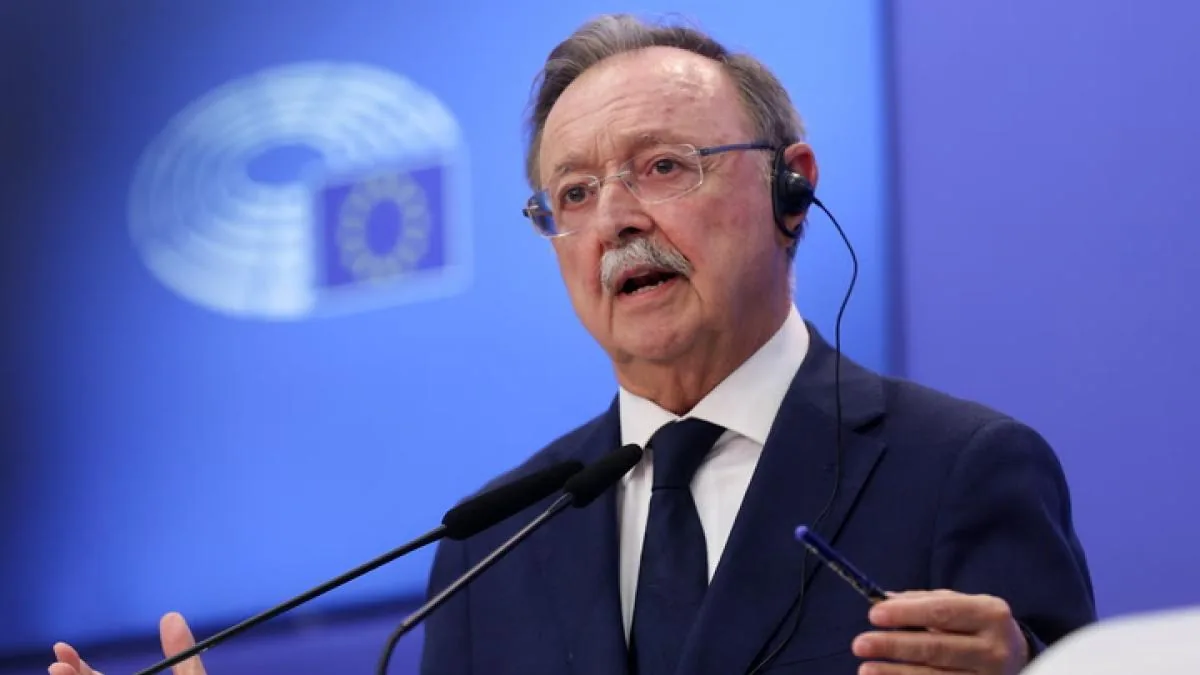
The judge of the National Court María Tardón has summoned as witnesses the president of the Autonomous City of Ceuta, Juan Jesús Vivas, and the former Chief of Staff of the Government Delegation Gonzalo Sanz in the case investigating the massive irregular entry of immigrants into Ceuta from Morocco on July 30 and 31.
Read more Illa conveys to Guardiola the solidarity of Catalonia in financing and welcoming migrants
In an order in which multiple proceedings are agreed, it requests from numerous police and military bodies the alerts and risk analyses that they may have issued in relation to these events and, if positive, the recipients and the means used for their communication and dissemination, specifying the date and time they took place.
The magistrate summons Vivas for September 30 and the former Chief of Staff for October 1. On the same day, October 1, she also agrees to take testimony as a witness from the head of the Ceuta Local Police.
Also read
Among other proceedings, she requests from the Police a biometric analysis and facial recognition of all persons identified in the facilitator agents’ records. She also requires the Police and Civil Guard directorates to identify the uniformed agents appearing in the images and recordings incorporated into the case and to reconstruct the operational chain of command present in the Fnideq-Castillejos area during July 29, 30, and 31, 2026.
Additionally, she requests from various bodies, including the National Coordination Center for Border Posts (CEFRONT), the Cybersecurity Coordination Office, and the Chief of the Defense Staff (EMAD) to provide “any alerts and/or risk analyses they may have issued in relation to these events.”
She also requests EMAD to provide the judicial body with any satellite images available for the time frame between 00:00 hours on July 20 and 23:59 hours on August 7, 2026, of Fnideq Beach (Morocco) adjacent to the Spanish border area and El Trampolín beach (Ceuta).
In her order, the judge agrees to open a separate technological investigation file to request from Meta, WhatsApp, Facebook, Instagram, TikTok, Telegram, Google, Apple, and any other digital platform, the registration data of the accounts used for disseminating the call, IP addresses, devices used, associated phone numbers, linked emails, connection history, and content of groups, channels, and profiles used between July 1 and August 15, 2026.
In this regard and with the aim of identifying the origin of the call for the massive entry from Morocco to Ceuta, she requests from the Immigration and Borders Center CENIF a complete list of phone numbers detected as administrators, facilitators, disseminators, or relevant participants in these calls.
The instructor indicates that all proceedings are relevant because they affect aspects expressly highlighted in the judicial resolution: the activity carried out on social networks, the identification of facilitators and organizers, the possible existence of criminal structures, the determination of those responsible for the planning and strategic direction of the events, the investigation of the deaths that occurred, and the analysis of the actions carried out before, during, and after the massive entry.
Tardón explains that the proceedings related to digital communications aim to identify the promoters and coordinators; the biometric and audiovisual proceedings seek the identification of participants at the higher levels of organization; those related to financing aim to clarify the mechanisms of material support; those related to the deaths seek to determine the specific circumstances of the investigated deaths; and the witness statements will allow reconstructing the operational development of the events.
The resolution also agrees to request reports from the Economic and Fiscal Crime Unit (UDEF-Central) of the National Police and the Central Operative Unit-UCO of the Civil Guard to carry out financial and asset reports on the possible financing of the investigated mobilization.
Such report, it notes, must analyze relevant economic movements detected in the area, use of informal fund transfer systems, hawala systems, hiring of collective transport means, and any other operation that could be related to the logistics necessary for the investigated massive mobilization.