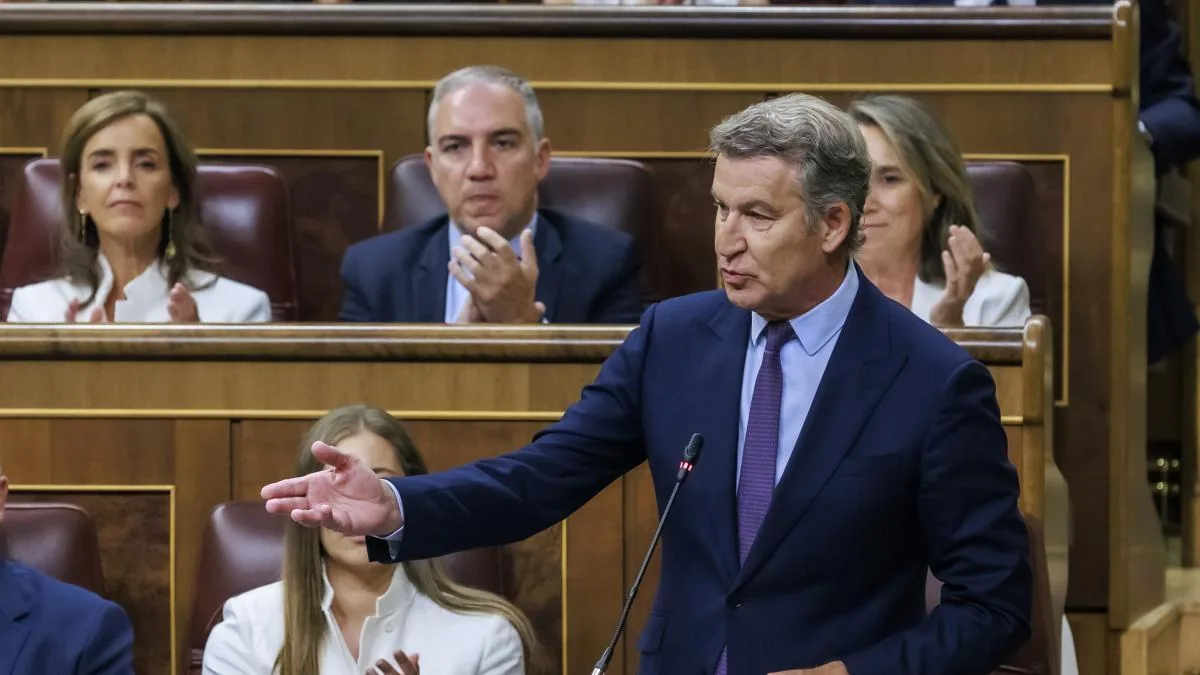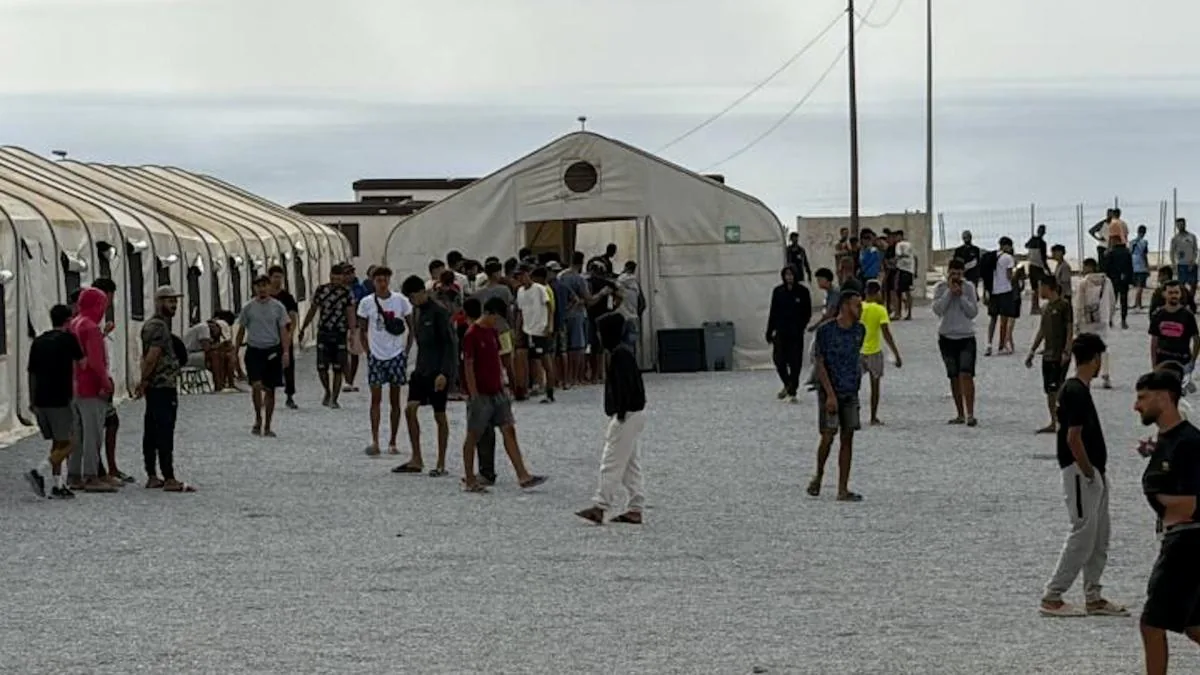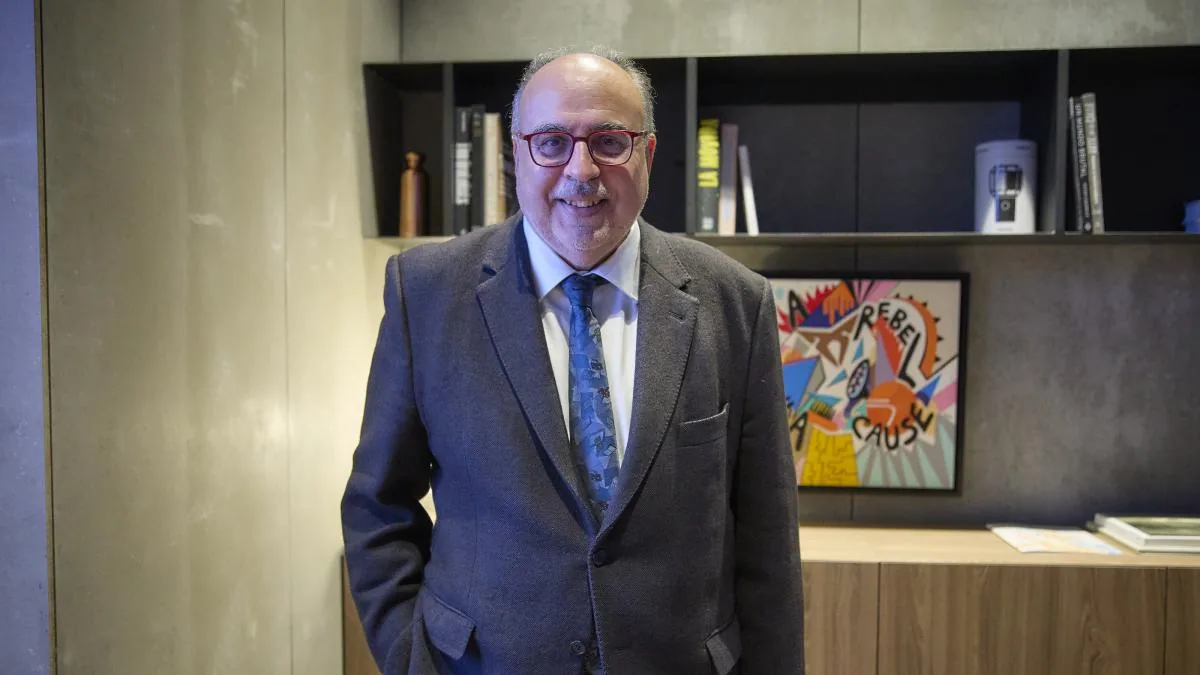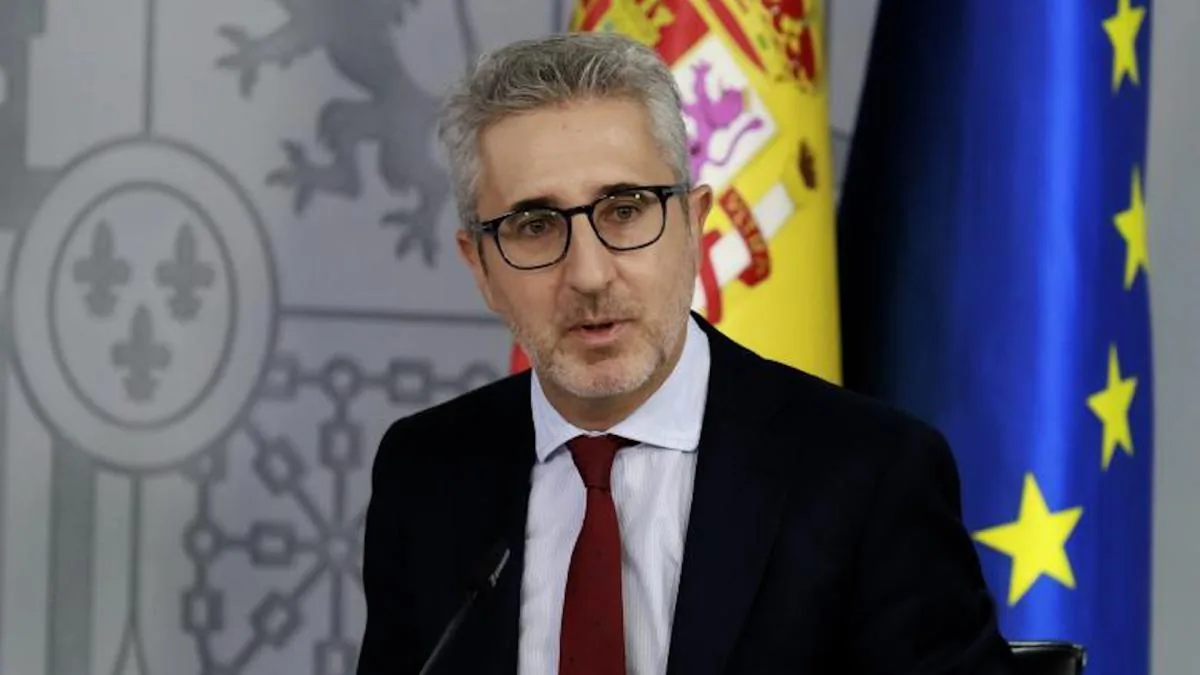



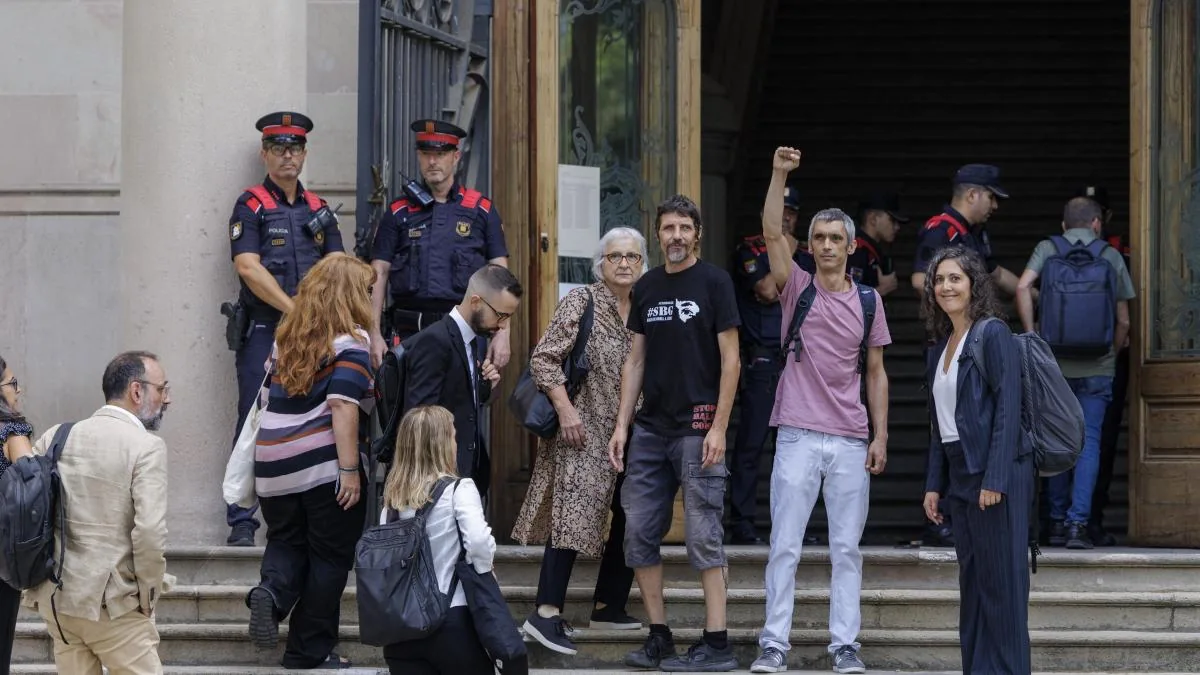
At the Barcelona Court, the only trial for the police charges on October 1st began this Wednesday. Four National Police officers – three commanders and a shotgun officer – accused of a serious injury crime for ordering the shooting of a rubber bullet that hit Roger Español, a man protesting the seizure of ballot boxes and who lost sight in one eye, are sitting in the dock. The accused were denied the application of the amnesty law as the loss of a main organ is considered one of the circumstances excluded from the law.
The trial began 9 years after the events and with unusual roles. The Prosecutor’s Office acts as defender of the accused police officers, supports the deployed operation understanding that the officers acted in the line of duty, and requests their acquittal. Meanwhile, the State Attorney’s Office defends three of the four accused.
The Prosecutor’s Office requests the acquittal of the four officers because they were fulfilling their duty
The first to testify was the victim, Roger Español. He stated that on October 1st he was near the Ramon Llull school because it was the neighborhood where he lived and that he joined the protests against the seizure of ballot boxes by the National Police. He participated in a sit-in of about thirty people to “obstruct” the passage of vans transporting the ballot boxes and later placed some barriers in the middle of an intersection to hinder the exit of police vehicles. He recalled that the riot police used batons to move away the people who remained seated and clear the way for the convoy. “The goal was to obstruct non-violently and delay the advance of the vans so they could not do the same as they had done at the Ramon Llull school,” he explained.
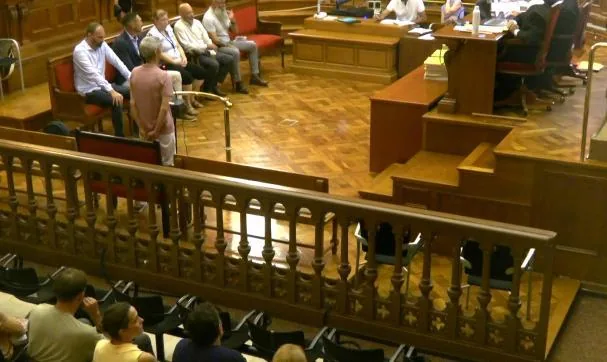
At a tense moment, one of the officers approached him and, after hitting him, lost his baton, which fell to the ground. “In a moment of frustration, I tried to prevent him from recovering the police baton. He finally recovered it and returned to the van,” he recounted. The vans began to leave towards Gran Via. Español stood next to a group of journalists when a police officer exited one of the vehicles and fired a rubber bullet that hit him in the face. “I was shot and fell to the ground. I was alone but surrounded by journalists because I thought it was a safer place,” he recalled.
“I was very disoriented. I fell to the ground and when people helped me and I saw the blood, I understood that I had been hit by a rubber bullet.” “It was retaliation for what had happened with the baton, for the blow I received and because he had lost the baton. I understand it as retaliation for that action,” he emphasized. Español recalled that although he heard the sound of the shots, he did not think they were rubber bullets since it was a riot control material that had been banned by the Parliament after the Ester Quintana case.
One of the journalists who assisted the injured man after he was left lying on the ground, David Bou, from the weekly La Directa, stated that the officer aimed directly at Español. “He shot point-blank. He shot directly. He did not shoot at the ground. There were no disturbances around us,” he affirmed.
The charges brought by the victim and entities such as Òmnium Cultural, the Catalan National Assembly (ANC), and the Irídia Center demand sentences of between nine and thirteen years in prison, as well as disqualification, for serious injury crimes in concurrence with torture or crimes against moral integrity. Meanwhile, the Prosecutor’s Office requests the acquittal of the four accused considering that their actions were protected by the fulfillment of duty.
Also read
According to the charges, the riot police fired up to 17 rubber bullets and 48 blanks in the area. The prosecuted shotgun officer fired two shots that did not hit Español and a third — fired from a distance of 14.2 meters — that hit the right side of his face when he had his hands raised among protesters and journalists. The impact caused the eyeball to burst, severe facial fractures, and permanent physical and psychological sequelae that forced him to abandon his musical career.
The State Attorney’s Office has requested to include videos and photographs of concerts in which Roger Español participated as a saxophonist after October 1, 2017, to demonstrate that the injuries he suffered did not prevent him from carrying out his professional activity. After hearing this request, the victim’s lawyer, Benet Salellas, warned the court that Español is the victim in this proceeding.” The injured man, who years later was a Junts candidate for the Senate, was also investigated in this case for injuries after throwing a barrier against the police line. However, he received amnesty, as did 46 police officers who were also listed as investigated in the same proceeding.
Read more Europe needs a leader from yesterday