






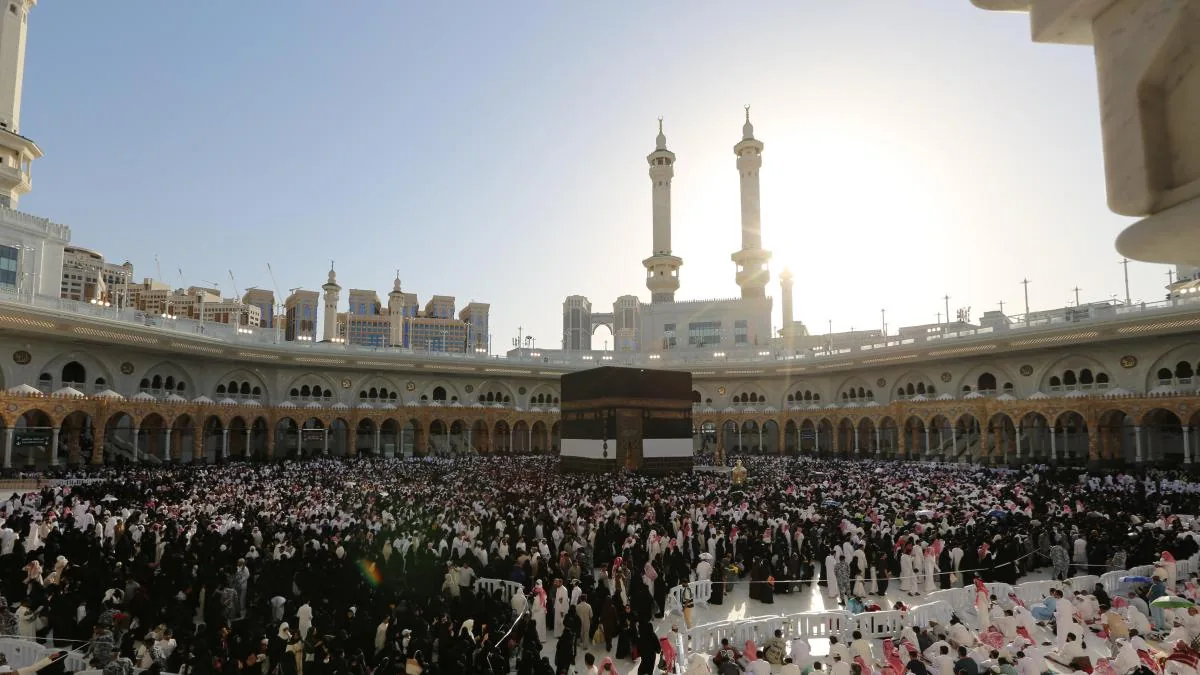
The conflict between Saudi Arabia and the Houthi rebels in Yemen threatens to escalate after Riyadh accused the rebels today of launching a drone against Mecca, the spiritual capital of Islam.
Read more Judge Tardón summons the president of Ceuta as a witness for the mass entry
According to the Saudi account, the drone was intercepted and destroyed on Tuesday afternoon south of the holy city, before it entered restricted airspace. “This can only be described as a shameful act,” said the spokesperson for the Riyadh-led military coalition fighting the insurgents in Yemen, Turki al-Maliki, who emphasized that the security of the sacred sites of Mecca constitutes a “red line.”
The Organization of Islamic Cooperation, which groups 57 countries with a Muslim presence, joined the criticism, condemning the “atrocious attacks” against Mecca and blaming the Houthis for seeking to instill terror among the population.
The outrage is understandable: the birthplace of Muhammad is a must-visit place for those who profess the Islamic faith. It houses the Kaaba sanctuary, the point towards which believers direct their prayers five times a day and the epicenter of the annual hajj pilgrimage, one of the largest religious celebrations in the world.
The Houthis, however, rejected Riyadh’s accusation. The pro-Iranian group did not deny that the downed drone was theirs, but, through a spokesperson, assured that all their operations target oil and military facilities “far from the sacred places.”
Also read
Beyond this clash of versions, the episode reflects the growing tension in Arabia following the recent reactivation of the Yemen war.
In recent days, the Houthis have launched a lightning offensive that has pushed back government forces – supported by Riyadh – in the Red Sea coastal strip. The port of Mocha and Perim Island, key to controlling the strategic Bab el-Mandeb strait, are now under rebel control.
Read more Illa conveys to Guardiola the solidarity of Catalonia in financing and welcoming migrants
Alongside these advances, the insurgents are continuously striking Saudi territory with their drones and ballistic missiles. On Monday, they hit the cities of Khamis Mushait, Abha, and Tuffon, in the south of the Arab kingdom; on Tuesday, the threat of new attacks triggered alarms in six municipalities, including Jeddah, the country’s second most populous city; and today, there was an attack on Aramco oil facilities in Yanbu. In this scenario, the U.S. has already issued a warning to its citizens to avoid traveling to Arabia and has prohibited its officials from approaching the Yemeni border.
Saudi forces are responding to the attacks with bombings on Houthi-controlled areas of Yemen, although these operations have led to some setbacks: yesterday, the insurgents announced they had managed to shoot down an F-15 fighter jet in the Marib region using a “locally made surface-to-air missile.” If this information is true, it would once again demonstrate the Houthis’ ability to counter the supposed Saudi military superiority.
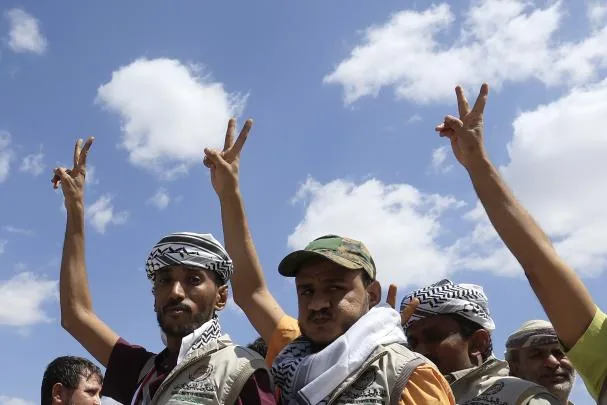
Riyadh, however, has not yet applied its full force against the rebels, and it is still unclear whether it is willing to do so, as escalation would entail serious risks, such as direct Iranian involvement in the conflict or the total strangulation of crude oil maritime traffic, which has already been under great pressure for months due to the Hormuz blockade.
What is known is that the petro-monarchy is testing its allies. Last week, Saudi Crown Prince Mohammed bin Salman called U.S. President Donald Trump twice to ask for help in defeating the Houthis, and yesterday he met with Egyptian President Abdel Fattah el-Sisi.
So far, nothing concrete has come from these consultations. Caution prevails in Washington and Cairo. And also among the signatories of the Mecca Agreement, the defensive pact that Arabia signed with Turkey and Pakistan last August. This alliance contemplates mutual assistance in case one of its members is attacked. The current situation favors the activation of this clause, but Islamabad and Ankara assure that Riyadh has not requested their support. What will happen if Arabia ultimately does? Analysts believe nothing.