Marlaska assures that the CNI did not alert about the massive influx of immigrants that overwhelmed Ceuta

Marlaska assures that the CNI did not alert about the massive influx of immigrants that overwhelmed Ceuta

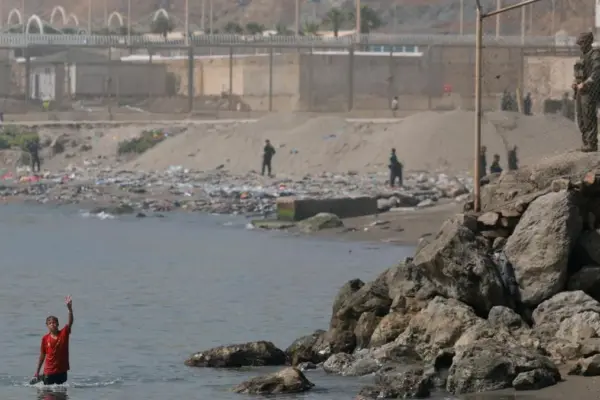
Ceuta, which was overwhelmed yesterday after the entry of up to 60,000 young migrants with the permissiveness of Morocco, is gradually recovering normality in its streets. Although there are still hundreds of Moroccans wandering its streets after spending a second night outdoors, more are continuing to make their way back to their country, through the same place they entered with chants: the El Tarajal border breakwater, where containment barriers – 500 meters long – have begun to be installed to deter further arrivals.

Read Full News
From ecstasy to resignation in just 24 hours

From ecstasy to resignation in just 24 hours

The tide of immigrants that overflowed Ceuta, believing that Spain would be an open bar of opportunities, went from singing about setting foot on the autonomous city’s soil to faces of resignation, barely 24 hours later, as they embarked on the way back amid laments over their dream of legally emigrating to Europe fading away. As many had been promised. There was no need to use force; more than 48,300 people, out of the 50,000 who entered massively without the Moroccan authorities preventing it, returned voluntarily in a line through the way they came, the border breakwater, after spending a night outdoors, wandering the streets with nothing to eat, and above all, with the widespread feeling of having been deceived. “They lied to us. No one welcomes us. This feels like a prison,” lamented Karim yesterday, just turned 18, barely a hundred meters from Morocco.


Read Full News
The Ceuta crisis pits Sánchez against his European partners over immigration

The Ceuta crisis pits Sánchez against his European partners over immigration

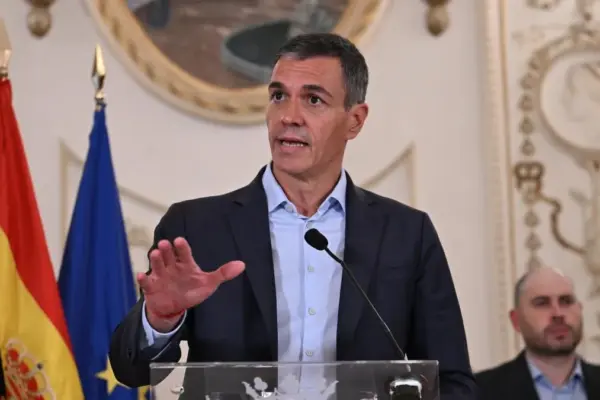
The return to Morocco of “virtually all” those who entered Ceuta irregularly, as highlighted by the Foreign Minister, José Manuel Albares, did not manage to ease the political tension generated in Europe by this migratory crisis. What began on Thursday night as an impulsive reaction by Giorgia Meloni’s government ended up becoming a political offensive against Spain supported by several European executives, which provoked a strong response from Pedro Sánchez, who visited Ceuta yesterday and denounced “the violation and attack on Spain’s territorial integrity.”

Read Full News
Feijóo speaks with about twenty European leaders and with the United States

Feijóo speaks with about twenty European leaders and with the United States

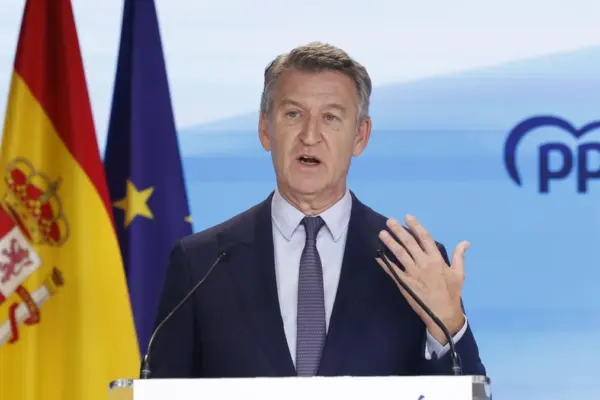
Alberto Núñez Feijóo was critical of Pedro Sánchez yesterday and continued making demands to the Government in an attempt to regain control in Ceuta after the entry of nearly 50,000 immigrants from Morocco. The leader of the PP, who has yet to receive any call from Sánchez to address the crisis in the autonomous city, continues to demand a “massive deployment of resources” to regain control of the border – the Government did respond on Thursday to the popular leader’s demand to mobilize the Army –. Additionally, he contacted international leaders to explain Spain’s situation.

Read Full News
Illa places the financing model as a priority and removes the focus from the transfer of the IRPF

Illa places the financing model as a priority and removes the focus from the transfer of the IRPF

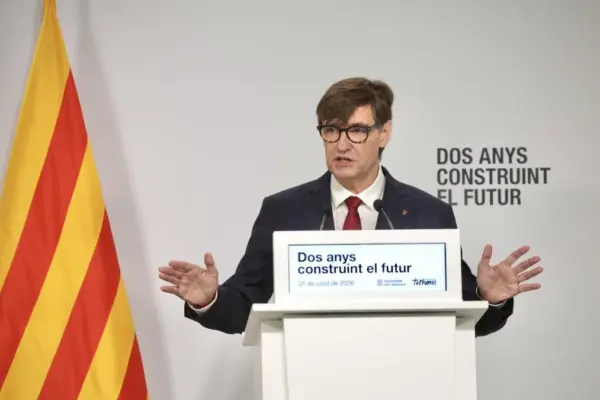
Arriving at the midpoint of the term, the president of the Generalitat, Salvador Illa, made this Friday an assessment of his first two years leading the Government in which he claimed that they have managed to “stabilize the country, improve coexistence, and be predictable.” These are elements that, in his opinion, deepen the goal of making Catalonia “the best country in Europe to live in” in the coming years, although he admitted that there is still much to be done in housing, education, or Rodalies.

Read Full News