Will anyone investigate the death of the hundred migrants on the coast of Ceuta?

Will anyone investigate the death of the hundred migrants on the coast of Ceuta?

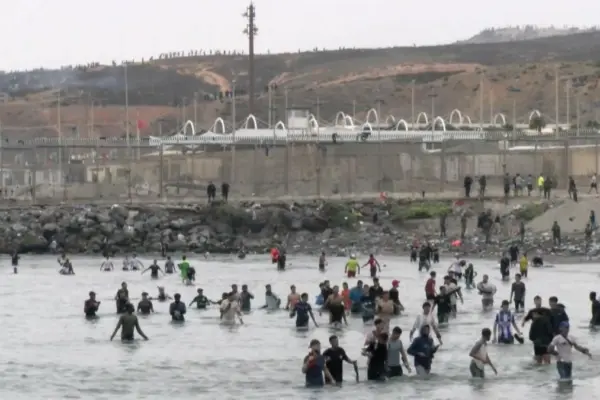
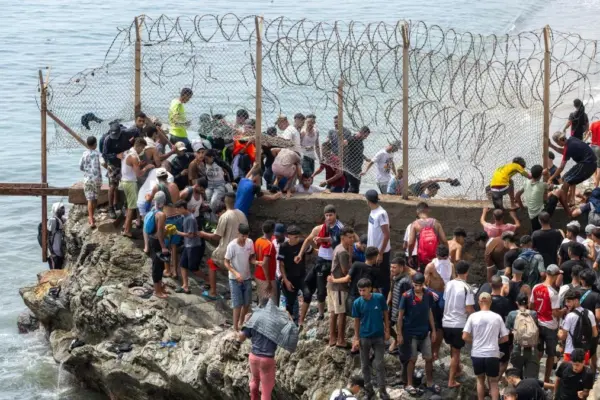
After the chaos caused last week by the massive entry of migrants both by swimming and over the Ceuta fence, the consequences are now beginning to be seen. On one hand the political ones and on the other the humanitarian ones. The latest data available is that there are already 90 deaths while trying to swim from Morocco to Ceuta, although it is already assumed that more bodies will appear in the coming days.

Read Full News
The Government prepares to relocate hundreds of minors in Ceuta to the Peninsula

The Government prepares to relocate hundreds of minors in Ceuta to the Peninsula

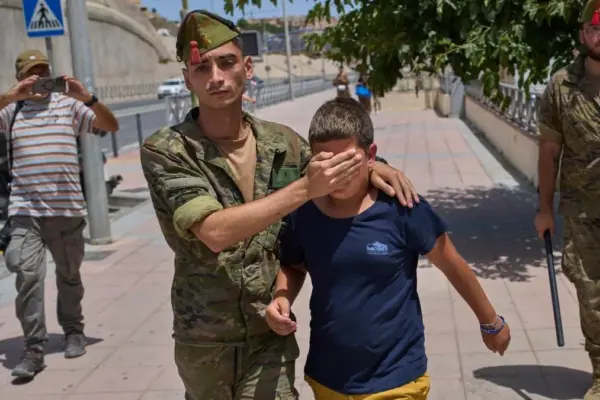
Paper can withstand anything. When the Immigration Law was reformed a year and a half ago to redistribute unaccompanied immigrant minors without family support among the autonomous communities, the term “ordinary capacity” was established. A standard for the reception places for unaccompanied foreign minors that each territory should have, based on its population. With calculator in hand, Ceuta’s ordinary capacity was set at 29 beds. The autonomous city, after last week’s massive influx, is caring for 862 minors; four times more than just two weeks ago. 2,865% more than its capacity. And there are still dozens of them on the street, hidden, unidentified.


Read Full News
The Ceuta crisis divides European public opinion

The Ceuta crisis divides European public opinion

The avalanche of immigrants who entered Ceuta last week not only captured attention due to the humanitarian emergency but also because of its geopolitical consequences and diplomatic implications. International media featured front pages and news reports with images from El Tarajal, but have maintained coverage focusing on the reasons behind what happened and have analyzed who wins and who loses in this whole story.

Read Full News
The Government avoids blaming Rabat and directs criticism at the opposition and other EU countries

The Government avoids blaming Rabat and directs criticism at the opposition and other EU countries

The Government has avoided in recent days blaming Morocco for the migratory avalanche that took place in Ceuta last week. This Monday it went a step further by having kind words about the “collaboration” of the neighboring country in the return of “the vast majority” of the people who crossed the border through the El Tarajal breakwater to Moroccan soil between Thursday and Friday, although there is no unanimity and that message is not conveyed the same way from all ministries. For now, rather than looking south, the criticisms are directed both at the opposition parties –PP and Vox– and at other European Union member states –especially Italy– that have questioned Spain’s role in this whole matter and that tomorrow Tuesday will address the issue in an extraordinary meeting of the community interior ministers. And at the “reactionary international” that according to the Government spread “lies and false news.”

Read Full News
France warns of a political nature in the letter from the 22 EU countries regarding the Ceuta crisis

France warns of a political nature in the letter from the 22 EU countries regarding the Ceuta crisis

The French government was one of the members of the European Union that did not sign the letter that censured Spain’s immigrant regularization policy and linked that strategy to the crisis that occurred this weekend in Ceuta. The letter had been promoted by the far-right government of Giorgia Meloni and by other European countries such as Germany.

Read Full News