








More extraordinary than the EU Interior Ministers meeting itself, which will take place today following the Ceuta crisis, is the political escalation that precedes it. The crisis between Italy and Spain has not only not eased, but continues to intensify with unprecedented harshness.
Read more U.S. records first two deaths from cyclosporiasis outbreak linked to lettuce
Amid this climate, Ursula von der Leyen sent a first signal of détente towards Madrid. In a letter addressed to Pedro Sánchez, the President of the European Commission assured that Spain “can count on the support” of the Community Executive.
Meloni has promoted a crusade against the migration model defended by Spain
For its part, government sources explained that today the Interior Minister, Fernando Grande Marlaska, will participate in the meeting determined to defend a migration policy responsible with its obligations and supportive of the rest of the Member States.
Today’s telematic meeting officially has as its only agenda item immigration. However, European capitals have rushed to give political content to a meeting initially driven by Italy and Denmark to provide an institutional response to the concern about what happened in Ceuta.
Subsequently, another twenty Member States joined the initiative, signing a letter requesting the convening of the meeting. The text not only expresses concern about the crisis but indirectly holds the Government of Pedro Sánchez responsible for the extraordinary regularization of hundreds of thousands of immigrants, considered by its promoters a “pull factor” for new migratory flows.
At today’s meeting, Italy and Denmark will insist on toughening the Union’s migration policy. Beyond the temporary suspension of Schengen, Rome’s real objective is to accelerate the creation of migrant centers in Africa, financed by the European Union or groups of Member States.
The model is Albania. Although the project has barely started — the centers remain practically empty — the Italian government considers it the first step to concretely apply the possibilities opened by the new European Pact on Migration and Asylum. The goal is to extend this system to other countries, including Uganda. Denmark, Austria, the Netherlands, and Greece are among the main supporters of this strategy.
Rome also wants to toughen the application of the new GSP+ program, which will come into force on January 1, 2027. The proposal consists of linking the trade and tariff advantages granted by the EU to developing countries to their effective cooperation in the readmission of irregular immigrants in the European Union.
Read more Jódar succumbs to Fritz’s craft in the Washington final
Among the few countries that refused to sign the letter promoted by Italy is France. French government sources consider that the Italian decision had an essentially political objective: to take advantage of the Ceuta crisis to attack Pedro Sánchez’s migration policy, instead of seeking a coordinated solution with Morocco.
The same sources also recall that Ceuta, although part of the European Union, has a special regime within the Schengen area. For this reason, movements between the autonomous city and the Peninsula are already subject to police controls, unlike what happens at the internal borders of the Schengen area. France temporarily reinforced its border controls — also for security reasons linked to the G-7 presidency — but insists that this decision does not imply suspending Schengen, as Italy has done. Germany has been more discreet. Chancellor Friedrich Merz avoided directly criticizing Pedro Sánchez, although the rise of AfD keeps immigration at the center of the German political debate.
The Spanish government arrives at the meeting with the feeling of having suffered a gesture of disloyalty from several European partners, especially Italy.
Even more so when the figures support its management compared to other countries such as Italy itself. Irregular arrivals in Spain, which decreased by more than 42 percent in 2025. Up to July 16, the latest published data, show a decline close to 25 percent across Spain.
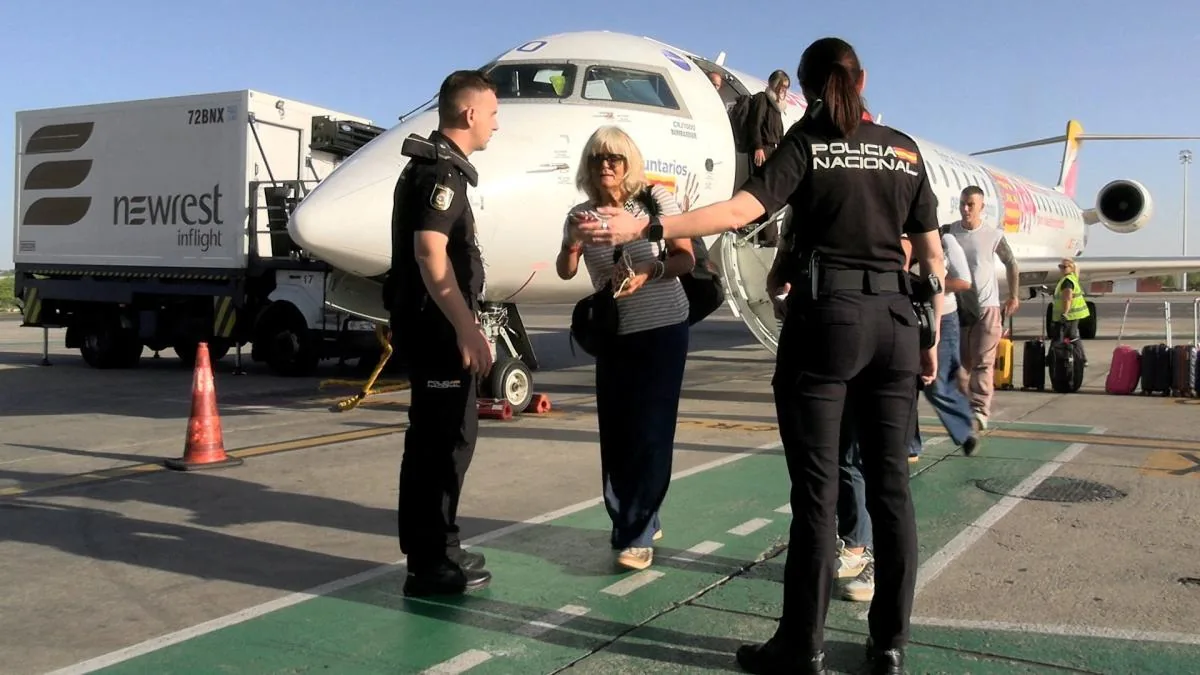
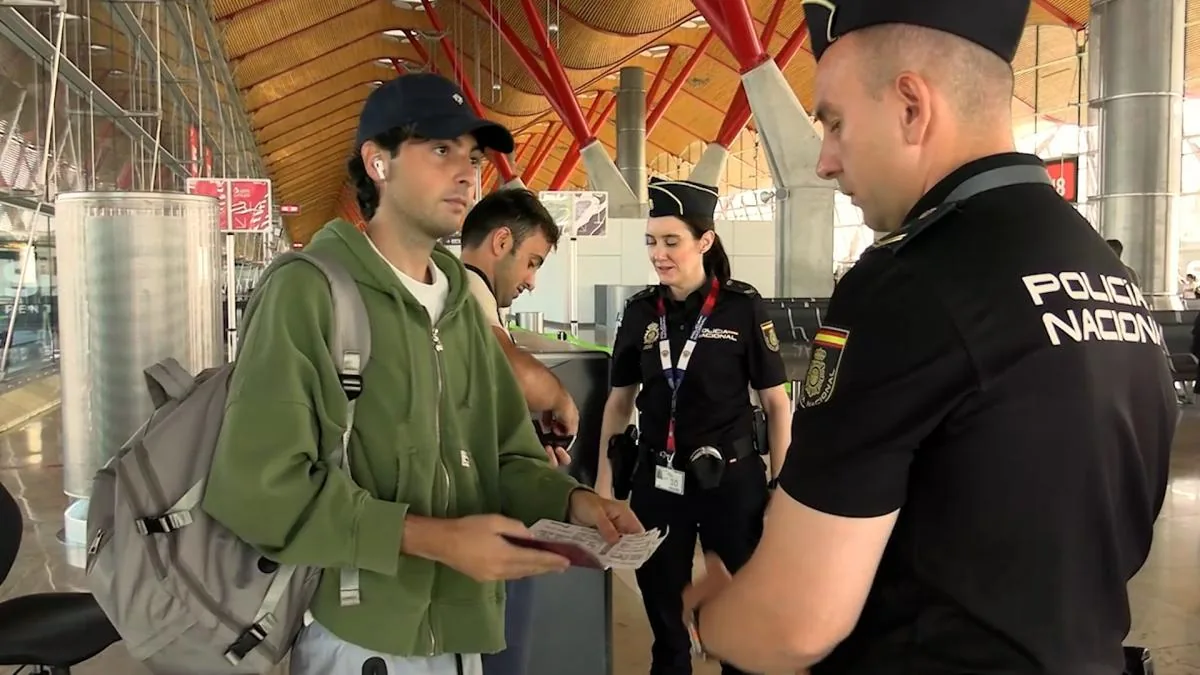
The diplomatic tension between Spain and Italy exploded after the Italian government’s decision to temporarily reintroduce controls on air and sea connections with Spain. In practice, the measure is being applied very limitedly, with selective controls mainly directed at third-country nationals. Precisely because of its strong political value, Palazzo Chigi wants to preserve the meaning of the decision, although adjustments in its application are not ruled out after the European meeting.
In Madrid, the discomfort is especially focused on the Italian Foreign Minister, Antonio Tajani. As a leader of the European People’s Party, he has repeatedly criticized Pedro Sánchez over Spanish internal political issues, such as the amnesty law or the use of Catalan in European institutions.
Read more Trump considers that «illegal immigration is killing» Europe