




Camps, sports activities, urban schools, weeks with grandparents, telework days or vacations spread over different moments of the summer are part of the strategies with which many families try to support their children during a period much longer than the actual work holidays.
For those who stay in the city, summer becomes a peculiar experience. School activity disappears, many friends leave temporarily, some services reduce their hours, and routines change completely. While adults work (often in a frenzy of schedules, calls, schedule changes, and searching for alternatives to organize daily life), children and adolescents live a time as fundamental for their development as school days.
How do children experience summer?
When we talk about work-life balance, we rarely stop to think about how children and adolescents experience this time without school. Because they do not only need supervision: they need to play, rest, interact with others, progressively develop their autonomy, discover new interests, and participate in meaningful experiences. Summer is a particularly valuable time for all this.
Even Spain’s child protection law, for example, warns that protection is not only about avoiding risk situations but also about guaranteeing safe environments and appropriate opportunities for their personal, social, and emotional development.
How can we do this in a city during the hottest months?
Urban leisure spaces
Although summer organization usually falls mainly on families, other actors also influence how this period is experienced: companies, which can contribute through flexible schedules, adapted working hours, or telework modalities; and administrations and organizations responsible for an adequate leisure offer.
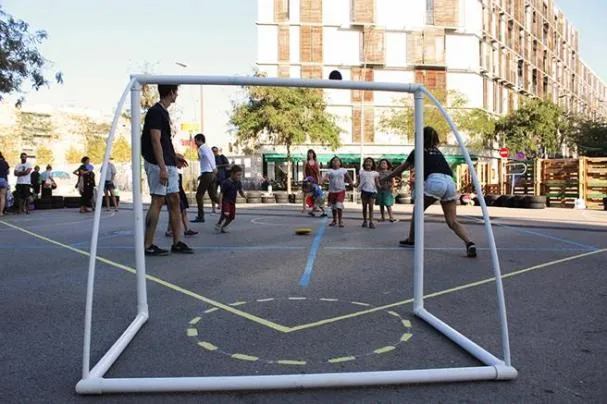
Libraries, cultural centers, sports centers, youth centers, play centers, neighborhood associations, and educational leisure projects can play a fundamental role. Not only because they offer activities, but because they generate opportunities to meet others, maintain positive routines, participate in cultural or sports proposals, and continue being part of community life during the summer.
Some examples can be found in many Spanish cities. Barcelona has promoted a wide network of climate shelters in libraries, civic centers, and municipal facilities to offer safe spaces during heat episodes.
Also read
Valencia develops every summer municipal schools and sports activities aimed at children and adolescents, while Zaragoza, Seville, and Bilbao schedule urban camps and cultural activities in libraries and civic centers, as well as educational leisure proposals that keep community life active during the summer months.
Added to this are the initiatives of thousands of neighborhood associations, youth entities, and leisure organizations that organize workshops, sports activities, meeting spaces, and participation projects in neighborhoods. These experiences show that summer can become an opportunity to strengthen community ties, encourage participation, and expand educational opportunities beyond the school environment.
Read more The Site, the new ‘Michelin mile’ in Eivissa
Many families organize summer based on the resources available in their neighborhood or municipality. Therefore, a sufficient and nearby offer, coordinating education, youth, culture, sports, and social services, can make an important difference in the daily experience of children and adolescents.
Summers in increasingly warmer cities
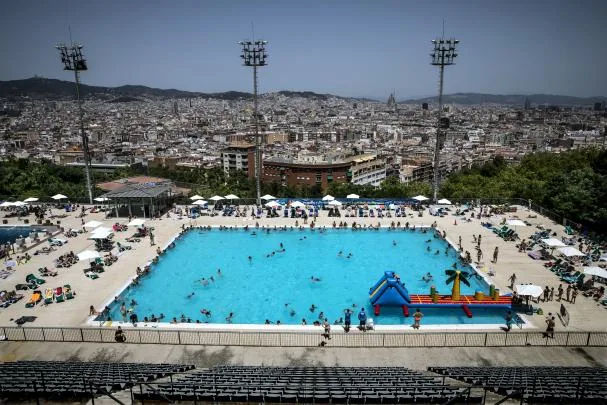
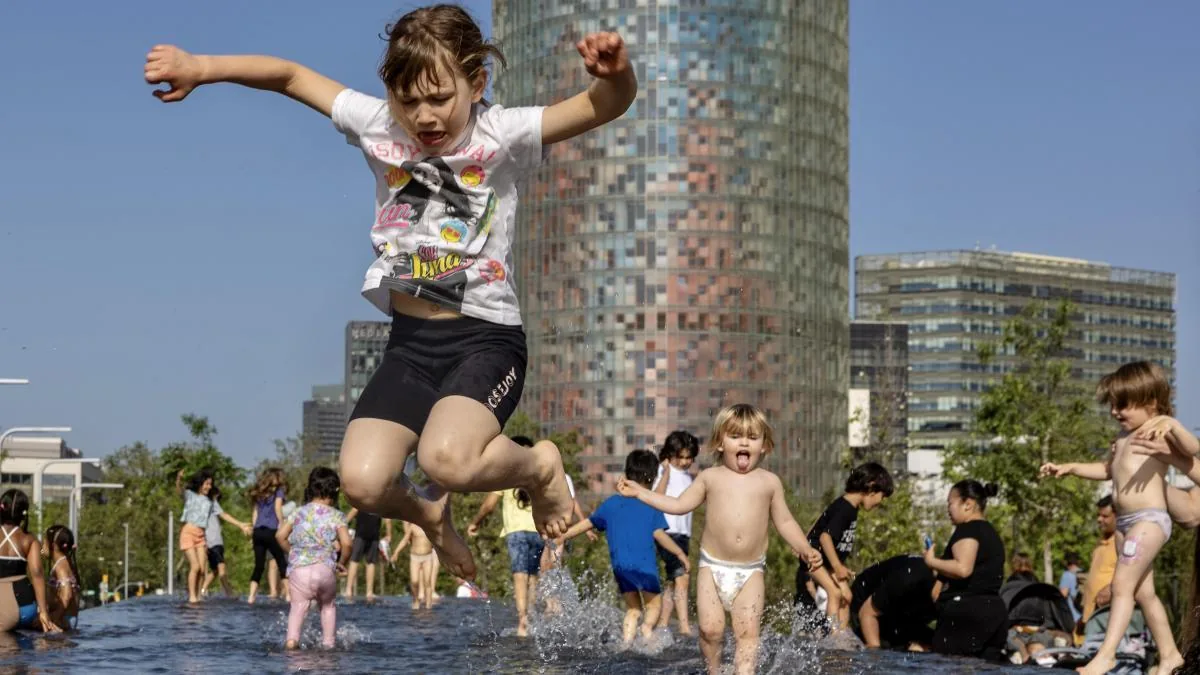
To the traditional challenges of work-life balance is added an increasingly present issue: the impact of high temperatures. Heat waves are more frequent and intense than just a few decades ago. For much of the summer, many cities record temperatures that make the usual use of streets, squares, and open spaces difficult, especially during the central hours of the day.
This reality forces us to think about child well-being also from the environmental conditions in which daily life develops. Having parks with shade, accessible green areas, adapted play spaces, and air-conditioned facilities has become a growing necessity.
In this context, so-called climate shelters have become especially relevant. Libraries, cultural centers, youth centers, sports centers, and other public facilities can offer safe and comfortable spaces during extreme heat episodes. At the same time, these places can continue to perform educational, cultural, and socialization functions.
Adapting cities to climate change also requires rethinking urban spaces from the perspective of childhood: more shade, more vegetation, more meeting spaces, and more open facilities during the summer months.
A new look at summer
Perhaps it is time to stop understanding summer only as a calendar problem or as a period that must be filled with activities while adults work. Besides asking how to balance work and family, it is worth asking how we want those who spend much of these months in the city to experience summer.
The answers do not necessarily involve creating new resources but strengthening and better coordinating those that already exist. Expanding summer programming in libraries and cultural centers, opening sports facilities for longer hours, consolidating municipal educational leisure programs, reinforcing climate shelters, facilitating labor flexibility measures, and improving coordination among different public services are some initiatives that can help improve children’s summer experience.
This article was originally published in The Conversation. Mª Pilar Rodrigo Moriche is Assistant Professor of the Pedagogy Department and Director of the Animation School at the Autonomous University of Madrid
Read more Lions and gladiators? If there was a circus in Barcino, it disappeared