The Moroccan Minister of Islamic Affairs, Ahmed Toufiq, has once again raised Morocco’s claim over Ceuta and Melilla, doing so on the occasion of a religious festival presided over by King Mohammed VI, which was also attended by the Crown Prince, Moulay Hassan, and the Prime Minister, Aziz Ajanuch. He is not the first official from a ministry of the Alaouite country to demand the “liberation” of these two Spanish autonomous cities: the Minister of Justice, Abdellatif Ouahbi, had already done so.
Read more Robles points out that «interested actors» in destabilizing Spain have favored the crisis in Ceuta
In his speech during the celebration at the Royal Palace of Rabat of the Eid al Maulud festival commemorating the birth of the Prophet Muhammad, Toufiq referred to the two autonomous cities by invoking two Islamic scholars born in Ceuta before that North African territory came under Spanish sovereignty, in 1580.
Thus, according to the official MAP agency, the minister highlighted the “deep bond” of Moroccans with Muhammad, which is manifested through a political expression, such as the command of the believers held by the monarch as a descendant of the prophet, and another of a spiritual and emotional nature.
In this second expression, Toufiq referred to the works of the qadi Ayyad ‘Treatise on the Healing Virtues of Knowing the Rights of the Prophet’ and of Abu al Abbas al Zafi ‘Anthology of Poems Composed in Celebration of the Birth of the Illustrious Prophet’. He added to them the work of the imam Al Jazuli ‘The Guides to the Paths of Good’, whose prayers have been raised by Moroccans “in their sacred struggle to liberate the occupied cities located along the Atlantic Ocean at the beginning of the contemporary era.”
Qadi Ayyad was born in Ceuta at the end of the 11th century and was a judge of that city, as well as briefly serving as a judge in Granada, and is considered one of the seven saints of Marrakech, as is the imam al Jazuli, who lived in the 15th century and is a prominent figure of Sufism in Morocco. As for Al Zafi, he was born in Ceuta and was a member of the ruling family there in the 13th century.
Read more The Government promotes the reform of the immigration and asylum law after the crisis in Ceuta
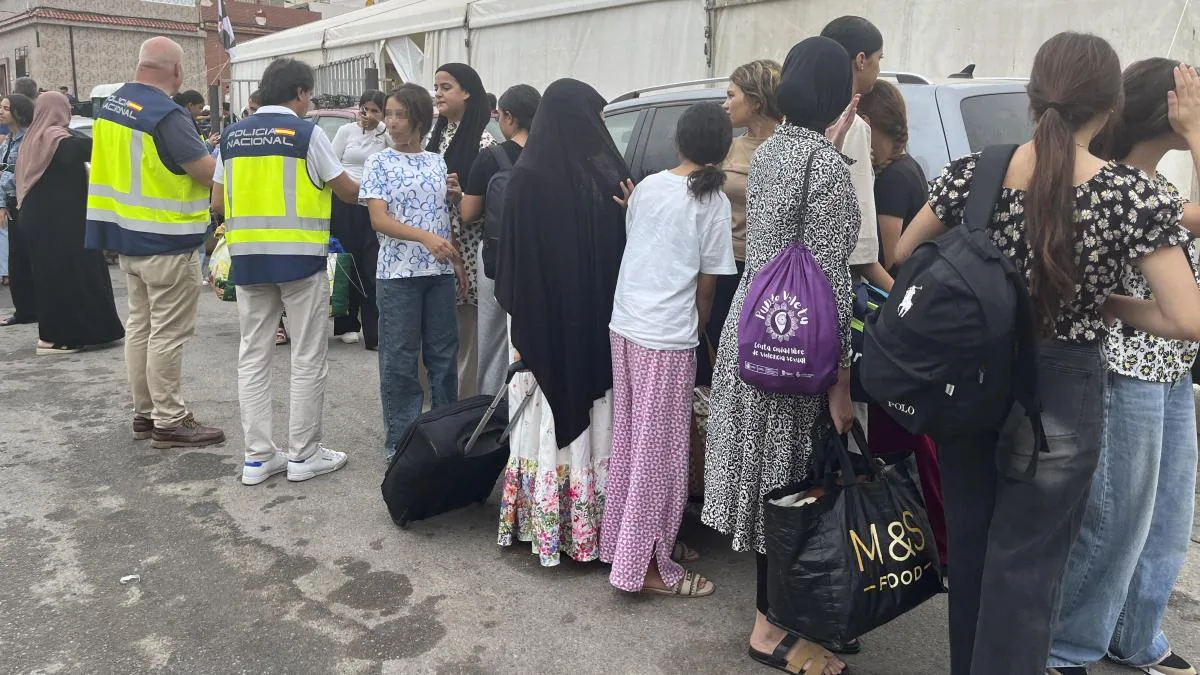
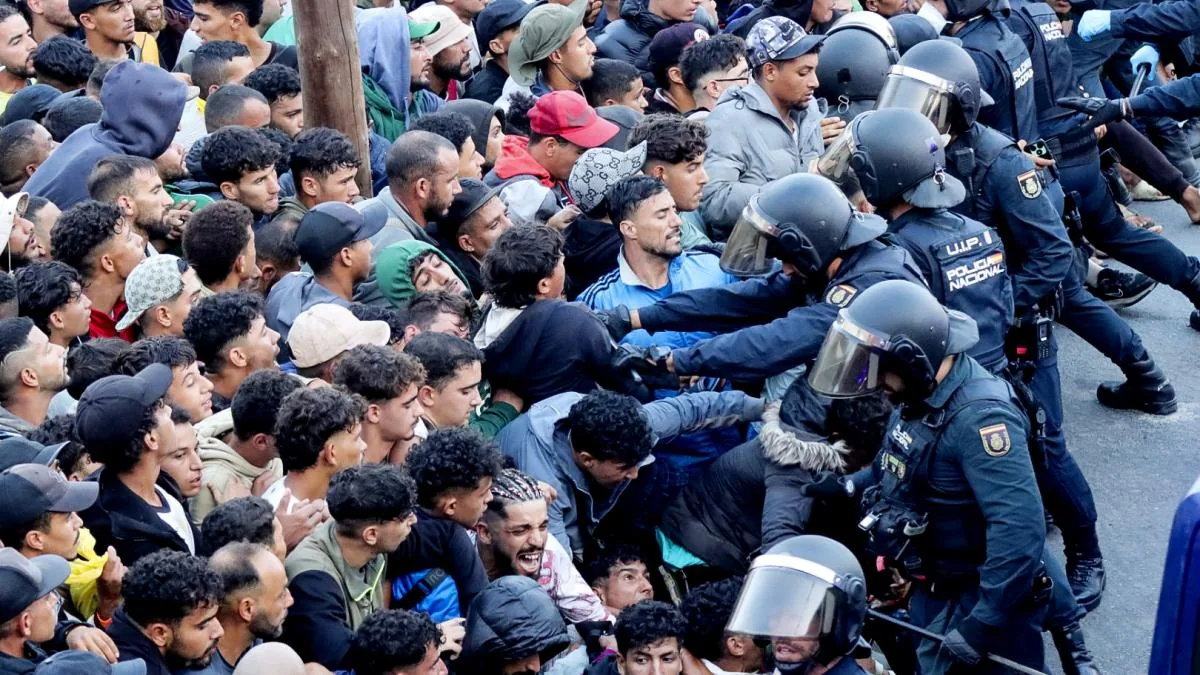
The words of the Minister of Religious Affairs, using religious and historical arguments, come after statements made in recent weeks, following the entry of about 80,000 migrants into Ceuta between August 30 and 31, by the Moroccan Minister of Justice, Abdellatif Ouahbi, who claimed Morocco’s “historical and geographical rights” over Ceuta and Melilla and raised the need for dialogue on the issue with Spain.
The event, according to the MAP agency, was also attended by the presidents of the two Chambers of Parliament, royal advisors, government members, presidents of constitutional bodies, senior officers of the General Staff of the Royal Armed Forces, members of the Islamic diplomatic corps accredited in Rabat, as well as several ulemas and other civilian and military personalities.
The monarch arrived in Rabat in a vehicle driven by the Crown Prince and in which two of his closest advisors, Fuad Ali el Himma and Taieb Fassi Fihri, were on board, according to various images shared on social media.
Read more Defense and Interior present opposing versions regarding the warnings prior to the Ceuta crisis