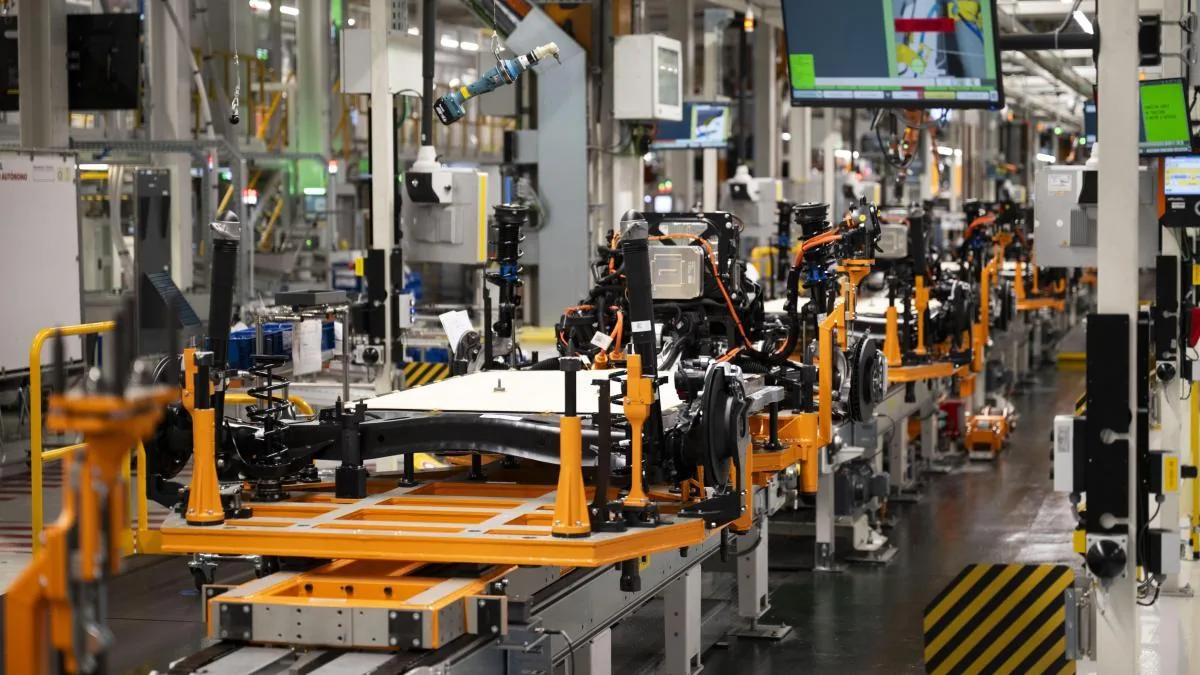








The drastic adjustment program undertaken by Oliver Blume, CEO of Volkswagen, has shaken Catalan and Spanish politics and economy due to its possible effects on the historic Seat. As veterans of the Spanish automotive company recall, there has not been an adjustment in Germany that has not had similar effects on Seat.
Read more Spain faces the industrial restructuring of its car factories
The same sources have reacted coldly to the new debate opened these days, as they assure that the scenario foreseen for years in the company’s management circles was the progressive disappearance of the Seat brand swallowed up by the development of Cupra.
The latter already surpasses Seat models in units produced, as well as being more profitable. The German consortium distinguishes in its statements between the company Seat SA, which groups the Martorell factory, also that of Landaben (Navarra), although only from a patrimonial point of view, and the brands Cupra and Seat, a commercial asset of the former. Combustion cars are manufactured under this brand, which will be banned from 2035 and has no new electrified platforms assigned. If this does not change, the impact on employment would be enormous.
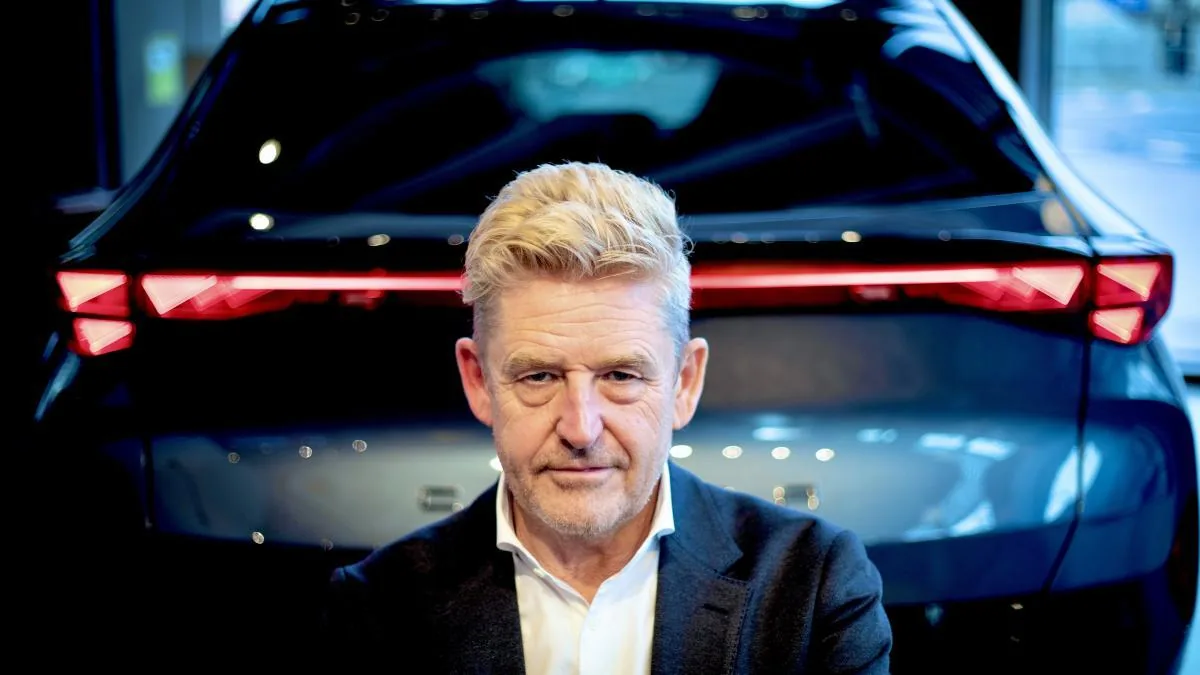
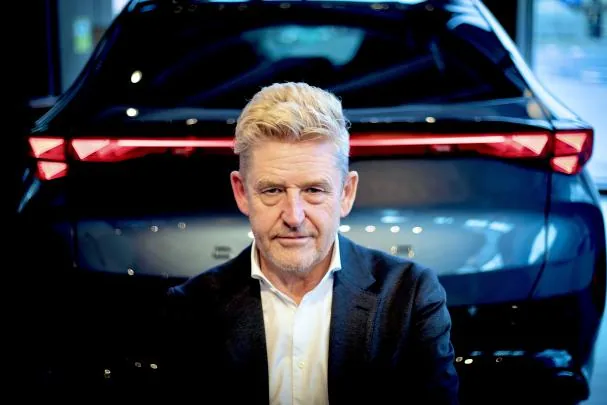
Considering this situation, according to two sources with direct knowledge of the facts, Wayne Griffiths, the predecessor of the current president of Seat, Markus Haupt, who led the company from 2020 until last spring, was so clear about it that he even initiated contacts with a Chinese manufacturer for them to take over some production line of the Martorell factory in Barcelona. The Volkswagen consortium, owner of Seat, let it happen, but in the end, the negotiations did not progress. Griffiths left the company last year and no changes have been announced.
Only, it is clearer than before that the Seat brand could have its days numbered, specifically in 2029. Although Cupra sales, which besides Martorell are manufactured in other factories of the group outside Spain, maintain the current positive evolution, they would not allow maintaining the 15,000 jobs at Seat.
Therefore, the unions, which already acknowledge that Cupra is
more profitable than Seat, have initially proposed that Volkswagen electrify a second production line
at Martorell, which currently has only one, dedicated to Cupra and other electric models of the German manufacturer. But the third line will remain pending, which in case of disappearance of Seat combustion models would have no assigned function.
For the latter, a Chinese partner could be valuable, like the one Griffiths was looking for, who would use it to capture market in Europe and by producing directly in Europe could avoid tariffs on Chinese electric imports. Although it is not confirmed that this was the intention of the then Seat head.
At that time, thinking of a Chinese buyer might have seemed unexpected, but in view of recent events, with major manufacturers in the sector integrating manufacturers from the Asian giant into their factories so that they take on part of the idle production capacity, the approach of the former Seat head was almost visionary. Last July, Ford announced that it was ceding 34% of the capital of its Valencia factory in Almussafes to the Chinese Geely, while other negotiations of the same nature are underway.
+++
Exactly one week ago today, the first meeting took place after the summer break of the so-called G-8, a group of entities in the economic field. As happened in the previous meeting at the end of July, only six attendees were present again, as neither the president of the Cambra, Josep Santacreu, nor the president of the Fira de Barcelona, Pau Relat, were present again. Both had excused their presence due to formal agenda reasons, trips, or boards of directors.
Although sources close to both entities consulted by this newspaper have pointed out that the non-attendance reflects the state of relations between some business organizations after the approval of the expansion from two to ten of the so-called silver seats in the Cambra, seats in the plenary reserved for companies that make an economic contribution. In the vote, which resulted in a tie between supporters and opponents and was approved thanks to Santacreu’s casting vote, Pimec aligned with the opponents against the official line of the Cambra and other entities, such as the Fira. The latter already “maintained a very intermittent presence in the G-8,” according to sources close to the entity and the group.

Besides the Cambra and the Fira, the group includes the presidents of Pimec, Antoni Cañete; the Cercle d’Economia, Teresa Garcia-Milà; the RACC, Josep Mateu; Barcelona Global, Josep Lluís Sanfeliu; Femcat, Tatxo Benet; and the dean of the Col·legi d’Economistes, Carlos Puig de Travi.
And looking to the future? The six who attended the July meeting have already agreed on a calendar of meetings for the current academic year, which could multiply the “agenda problems” of the two absentees. But sources close to both have indicated that they are “rethinking the role of the group and everything is pending defining the governance model. If both things do not happen, everything could remain at a standstill.”
At last Monday’s meeting, some of those present proposed expanding the group’s activity and increasing its public presence, with statements on current issues. Although there were also presidents in favor of maintaining contacts discreetly and only issuing opinions on very special or relevant occasions, according to several attendees consulted.
Read more The center-left opposition wins the elections in Sweden, according to polls