Criminal sentences have a curious habit: they judge specific people for practices that stopped shocking almost everyone a long time ago. In the first trials for ecological crimes, there was a defense known as the dead river defense. The accused might have dumped waste, but so did the factory located upstream and the one installed downstream. The river was already destroyed when he arrived. It almost never succeeded, but it had a logic that was hard to dispute. After all, stabbing a corpse does not constitute homicide.
Read more What is administrative prevarication for which David Sánchez has been convicted?
Something similar happens with nepotism. For decades we have lived with positions that seem to have a recipient even before being announced, with relatives of high-ranking officials who discover a sudden vocation for public service, and with marriages whose administrative careers progress with a synchrony hardly attributable to chance. A landscape so usual that it barely deserves comment. We only regain the ability to be outraged when kinship leads directly to Moncloa.
Perhaps the real injustice is not that the brother of the Prime Minister is convicted, but that so few are convicted
Is it fair? Hard to know. Perhaps the real injustice is not that the brother of the Prime Minister is convicted, but that so few are convicted: that responsibility falls on whoever was unlucky enough to be caught red-handed.
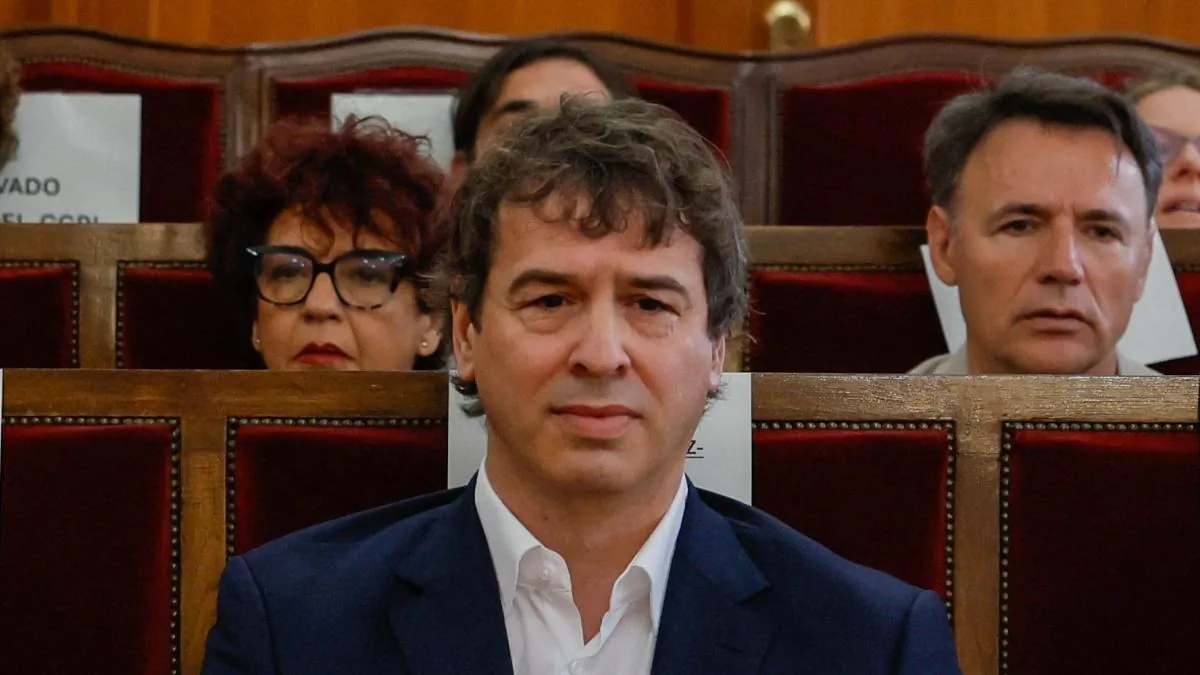
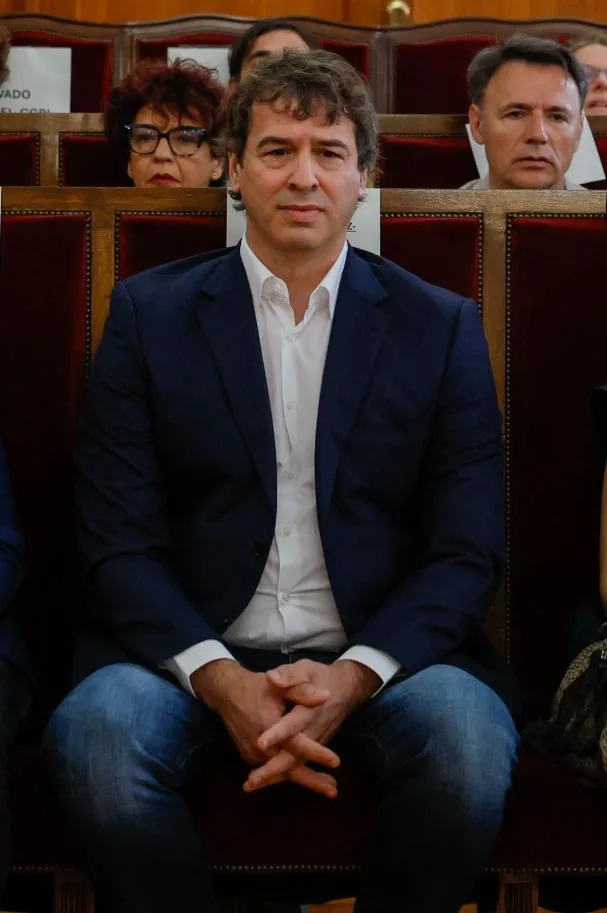
There is, however, another lesson in this sentence. After reading it, it is inevitable to recall David Sánchez’s statements during the investigation and trial. He almost always maintained that absent expression of someone who seems convinced that he has entered by mistake into a room where someone else is being judged. Like a man who ignores that a different language was spoken there. Someone should have warned him that in a criminal process, stories are not judged, but plausibilities. And that nothing is more devastating before a court than seeming like an occasional visitor to one’s own life. Judges, as a rule, distrust tourists.
Read more The City Council dismantles the largest illegal terrace in Barcelona again
There is a third lesson. For decades, the Prosecutor’s Office’s criteria enjoyed an almost reverential authority before the courts. Today that authority seems much more fragile. In this case, it requested acquittal arguing that David Sánchez’s position, although scandalous in form, was not legally arbitrary: there was sufficient regulatory coverage and the functions, vague as they were, were formally described. The court did not see it that way, but the episode says a lot about the prosecutor’s credibility in a country where the suspicion of political obedience poisons both the one who acquits and the one who convicts.
I suspect this sentence will leave everyone unsatisfied. Those who expected a complete acquittal ignoring the evidence, and those who dreamed of a conviction capable of imprisoning Sánchez’s brother. Courts are not there to clean dead rivers. They barely manage to convict some of those who continue dumping. The rest—the habit of looking the other way and the consolation of thinking that it was always others who polluted—belongs to a different category: that of societies that have ended up confusing normality with innocence.
Read more At least two dead and four missing in a fire at a building under construction in Brussels