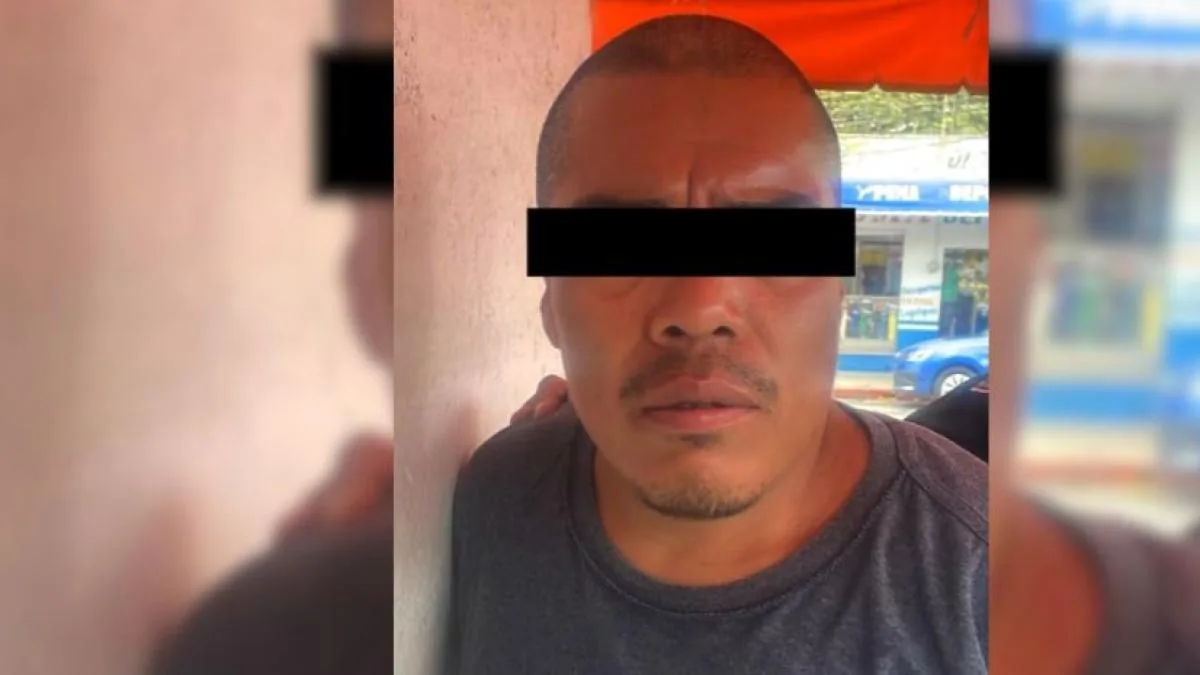
The sexist murder of Civil Guard Laura Cruz at the Llanes barracks has reopened the debate about protection mechanisms within the Armed Institute. Although the alleged attacker, Dámaso Fernández, also a civil guard, had his service weapon withdrawn and had recently been expelled from the Corps following a final conviction for gender-based violence, he managed to access the barracks, steal a colleague’s weapon in Zamora, and fatally shoot his ex-partner.
Read more The Ukrainian street vendor victim of a Russian ‘human safari’: “I only had garlic in my hand”
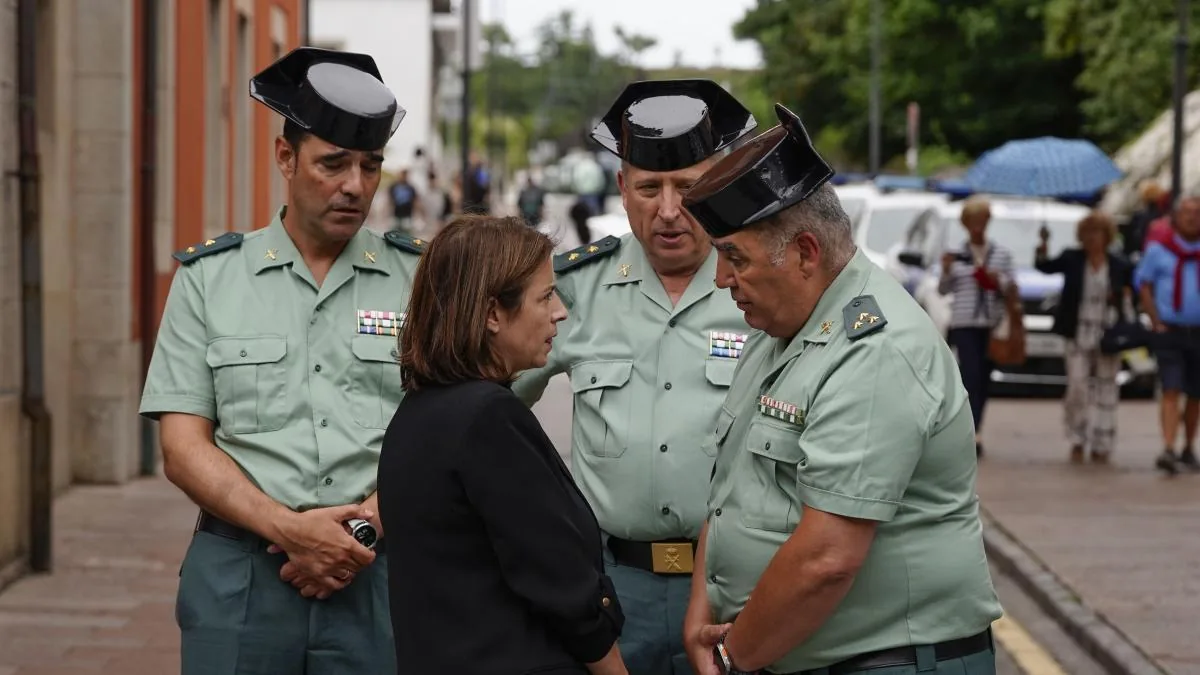
For Alicia Sánchez, Secretary of Women and Equality of the Unified Association of Civil Guards (AUGC), the case forces a review of both the internal gender violence protocol, in force since 2021, and the existing security measures. “The protocol needs to be revised to see what is failing and, above all, to ensure that they do not have access to weapons. They may still try to kill, but it becomes much more difficult,” she says in statements to La Vanguardia.
Barracks do not have armories
One of the main points that associations have been demanding for years is the custody of weapons inside the barracks. According to Sánchez, “the armory is the locker where we put our clothes and we have a lock, some with a key and others with a password.” Others take it home, she says, and keep it in an armory.
The officer assures that the weapon remains under the responsibility of the civil guard, but “logically, they should provide an armory to store the official weapon.” “The surgeon does not take the stretcher or the scalpel home,” she exemplifies.
What happens when a civil guard is reported
Sánchez explains that when the Civil Guard becomes aware of a gender violence complaint against one of its agents, the official weapon is immediately withdrawn as a precautionary measure. At the same time, “they have to adapt the workplace so that the agent can work in a place where they do not have to carry a weapon.” If they were working in the Women-Minor Teams (EMUME), they would be removed from the position for obvious reasons.
They also audit the queries the agent may make in police databases to prevent access to personal information. Likewise, the Civil Guard talks about “rehabilitation” with courses and training sessions for alleged aggressors, but the professional says she is unaware if these are carried out.
Despite these internal measures, the protocol does not foresee a forced transfer of the reported individual. “No one is moved without their consent. The only one who can be relocated if she wants to exercise that right is the victim.” And usually, it is the victim who puts distance between them.
In the case of the Llanes aggressor, he moved to a vacancy in cynology in Zamora, an area in which he had specialized, after the judge issued a restraining order against him in 2019 following the complaint of abuse by his ex-partner. Laura tried to continue her life away from her aggressor and took advantage of her right to a reduced workday. Victims of gender violence have the right to reorganize their work schedule and request a leave of absence, among other aspects.
When the agent’s final expulsion arrives
The opening of the disciplinary file is not immediate either. The Secretary of Women and Equality explains that the Civil Guard initiates this procedure when there is a final sentence. “The disciplinary regime contemplates three types of offenses: minor, serious, and very serious. When there is a final conviction, it is always serious or very serious. Depending on the severity of the conviction, the loss of the position or even expulsion from the corps may be agreed upon,” as is the case with the Llanes aggressor.
Also read
“Approximately 40% of the serious offenses imposed on civil guards are due to final convictions,” Sánchez explains, but they do not know how many of these are for gender violence. Although the association does have data on procedures related to sexual harassment or based on sex, identity, or sexual orientation, it demands that specific information on sexist violence within the corps also be provided.
“We should know how many victims there are, how many aggressors, what protection measures have been adopted for them, what sanctions have been applied to them, or if training or rehabilitation programs have been implemented. We have absolutely nothing at all,” she denounces.
The professional takes the opportunity to denounce other types of violence that can occur in a barracks house. In her experience, within the Civil Guard there is still “corporatism” and “sexism” that hinders the management of these types of cases. “I do not recommend any woman to report internally. I recommend they speak with a lawyer and go to court,” she laments.
Thirty-six lives taken by sexism
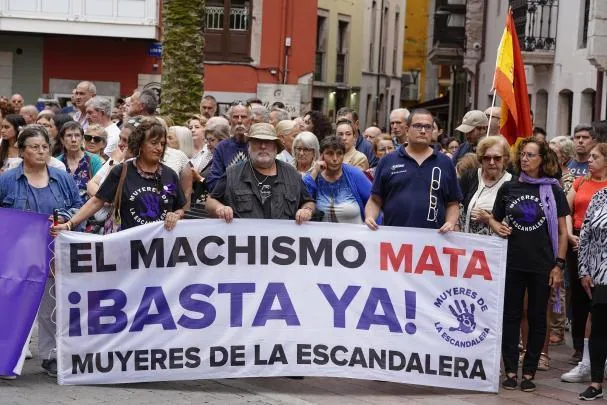
The Government Delegation against Gender Violence confirmed this Friday that the woman murdered in Benahavís (Málaga) on July 21 was a sexist crime, raising to 36 the number of women killed by their partners and ex-partners so far this year, the worst figure since 2019.
Initially, the sexist nature of the crime had been ruled out, but as the Civil Guard advanced the investigations, it was confirmed that they had been a couple and now shared an apartment. The killer, who has been in prison since August 3, confessed the crime in a diary he wrote during the days he was on the run.
The Secretary of Women and Equality of the AUGC also questions the capacity of psychotechnical tests to determine an agent’s ability to carry weapons. Civil guards undergo annual medical check-ups and psychotechnical tests, but she considers these mechanisms have limitations. “If you want to lie on a test, you lie. A personal interview would probably allow detecting lies,” Sánchez maintains.
Read more The attorney general asks prosecutors to act if a community refuses to host minors