








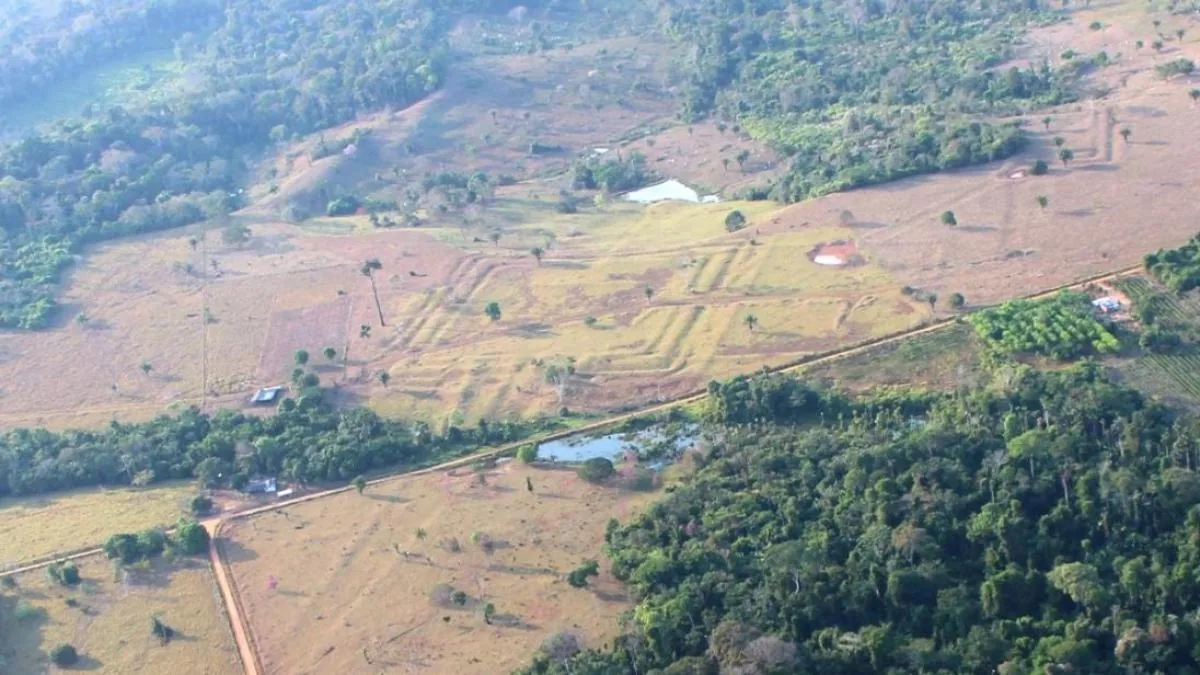
An ancient civilization of millions of inhabitants flourished in the Amazon for nearly 1,500 years. Aerial laser scans (LiDAR) conducted in the southwest of this South American region have revealed hundreds of ceremonial centers, road networks, and thousands of geoglyphs hidden in the jungle.
Read more Klassmark and RPM seal an agreement to boost sporting events
The Aquiry people emerged around 600 BC and, before their decline in 850 AD, built large centers for political and ritual purposes over an approximate area of 183,000 square kilometers. What has most surprised experts, however, is how numerous this civilization was.
Visible impact among the vegetation
According to researchers from the University of Helsinki in an article published in the journal Nature, the impact of this civilization is still visible among the current Amazonian vegetation, identifying remains of more than 400 well-preserved monumental ceremonial sites, along with some later settlements.
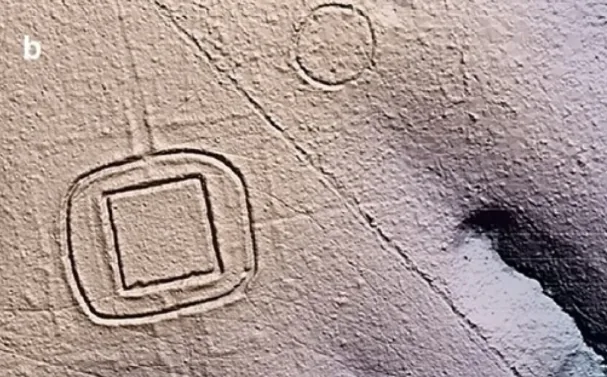
The largest known site covers 50 hectares and archaeologists estimate there may be more than 20,000 ancient earthworks (or geoglyphs) in the territory controlled by this culture, a space that represents less than 3 percent of the Greater Amazon.
The Aquiry population is estimated to have reached between 1.25 and 3 million people in the early first millennium AD, challenging previous, more conservative estimates that considered the population of the Amazon region to range between one and 10 million.
“Our findings transform our understanding of the past of the Amazon region. Its total population could have reached tens of millions,” says Martti Pärssinen, professor emeritus at the University of Helsinki and director of the study.
Also read
The Aquiry left their mark on the Amazonian landscape. They burned bamboo-dominated forests to clear land for cultivating fields of corn, squash, and cassava. They also used these lands to build ceremonial centers and the wide roads that led to them.
This ancient Amazonian people also practiced horticulture and managed valuable tree species. “The research shows that human impact on the jungle environment has been much greater than previously thought,” notes Professor Pärssinen.
Several tree species in the region rich in proteins — such as the Brazil nut tree (Bertholletia excelsa), the peach palm (also valued for its edible heart of palm), and other fruit trees — have been shown to be the result of long-term human interaction.
Read more The economic and civil world bids farewell to Josep Vilarasau
“This has direct implications for our understanding of the biocultural history of the region. The civilization also affected the production and carbon balance of ancient Amazonia, which should be more considered in future climate models,” adds Pärssinen.
Land formations under the vegetation
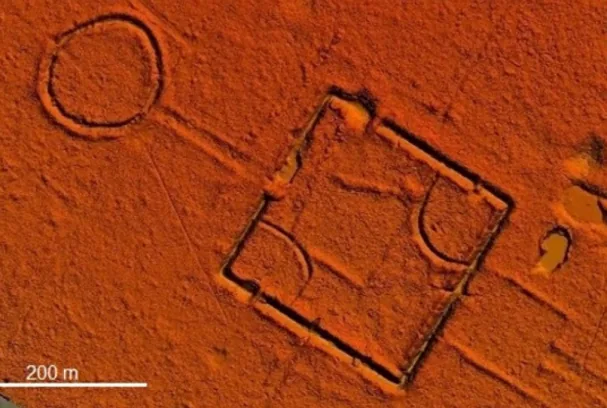
Laser scanning technology covered an area of approximately 4,500 square kilometers to map land formations under the vegetation and revealed thousands of remnants of the ancient civilization in previously unexplored areas of the rainforest.
“We conducted long flights of approximately 450 kilometers, mapping a strip one kilometer wide every ten kilometers. This allowed us to cover the largest continuous area possible,” explains Professor Juha Hyyppä of the Finnish Geospatial Research Institute, technical lead of the study.
Among the detected structures are large geometric shapes and straight roads. “Their diverse dimensions, shapes, construction methods, and locations reflect the distinctive geographic and cultural characteristics of the region,” adds Risto Kalliola, professor emeritus at the University of Turku.
According to oral tradition, these centers were built to foster relationships among communities, serving as meeting places, political decision-making sites, and demonstrations of generosity by the chiefs. The ceremonies included ritual dances, music, banquets, athletic competitions, and ball games.
A civilization about which little is known
Relatively little is still known about the Aquiry civilization. Its territory was similar in size to present-day Syria but, due to the scarcity of stone in the region, no ruins of this raw material remain. But the monumental geometric earth structures, known as Amazonian geoglyphs, reveal the magnitude of the civilization.
The name Aquiry comes from the name that indigenous peoples gave to the Acre River. “It was not a single kingdom, but a network of many different communities,” notes Pirjo Kristiina Virtanen, professor of Indigenous Studies at the University of Helsinki.
It is unknown what languages these communities spoke, nor what they called themselves. Nor is it known what caused the apparent and rapid collapse of the civilization around 850 AD. Almost at the same time, the classic Maya civilization in Central America also collapsed relatively abruptly.
Read more Milei approves a decree to be able to expel foreigners who insult Argentinians and their symbols