British pharmaceutical company AstraZeneca is in talks to merge with its American rival Bristol Myers Squibb (BMS), in a deal that would create one of the largest pharmaceutical groups in the world, valued at nearly $400 billion (around €347 billion). According to the Financial Times on Monday, these two companies have held talks about a possible merger over the past few months. These negotiations could culminate in an agreement in the near future, but they could also be delayed or fail, sources cited by the British newspaper indicate.
Read more MMM closes its historic automotive tube factory in Molins de Rei
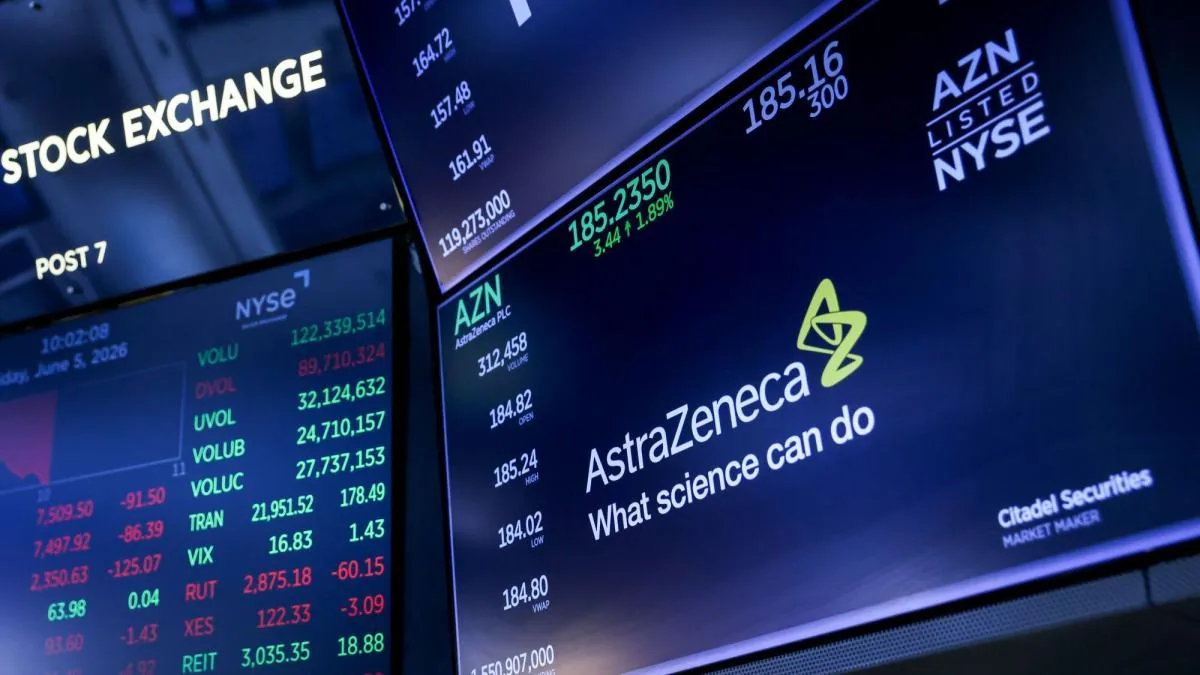
AstraZeneca is the second most valuable publicly traded company in the UK and has a market value of approximately €229 billion. Meanwhile, BMS has a value close to €115 billion. Shares of the British company fell nearly 7% in the early stages of Monday’s session on the London Stock Exchange, after the Financial Times first reported on these negotiations on Sunday night.
The merger of the two companies would be one of the largest pharmaceutical deals in history and would result in the creation of the fourth largest company in the world in this sector by market capitalization. Still, the newspaper also warns that this transaction would raise fears about the possible exit of AstraZeneca from the UK to establish its headquarters in the United States. In fact, the company – which is listed on the UK FTSE 100 – already completed its direct listing in New York in June, which was a setback for the London markets. The Financial Times did not specify the details of the deal, which could be settled with a mix of both shares and cash.
Read more Flick closes the stage with a final training match
The transaction could raise fears about AstraZeneca’s possible exit from the UK
In 2014, another American rival, Pfizer, already launched an offer to buy AstraZeneca, valuing the British pharmaceutical company at nearly €82 billion. These talks boosted investor optimism for the firm, at a time when it was struggling with the failure of some of its drugs in the final phases of clinical trials. However, its current CEO, Pascal Soriot, chose to reject the deal with Pfizer, and under his leadership, AstraZeneca has grown to become a powerhouse in oncology drugs. BMS also has a significant oncology division.
AstraZeneca has set an ambitious revenue target of nearly €70 billion by 2030, compared to the nearly $51 billion it generated last year. This level of growth would depend largely on the US market, where the company already obtains nearly half of its revenue. In a recent meeting with the media, Soriot stated that the company would not need to resort to mergers or acquisitions to reach this goal.
Read more Von der Leyen praises Spanish and Moroccan management of the Ceuta crisis