






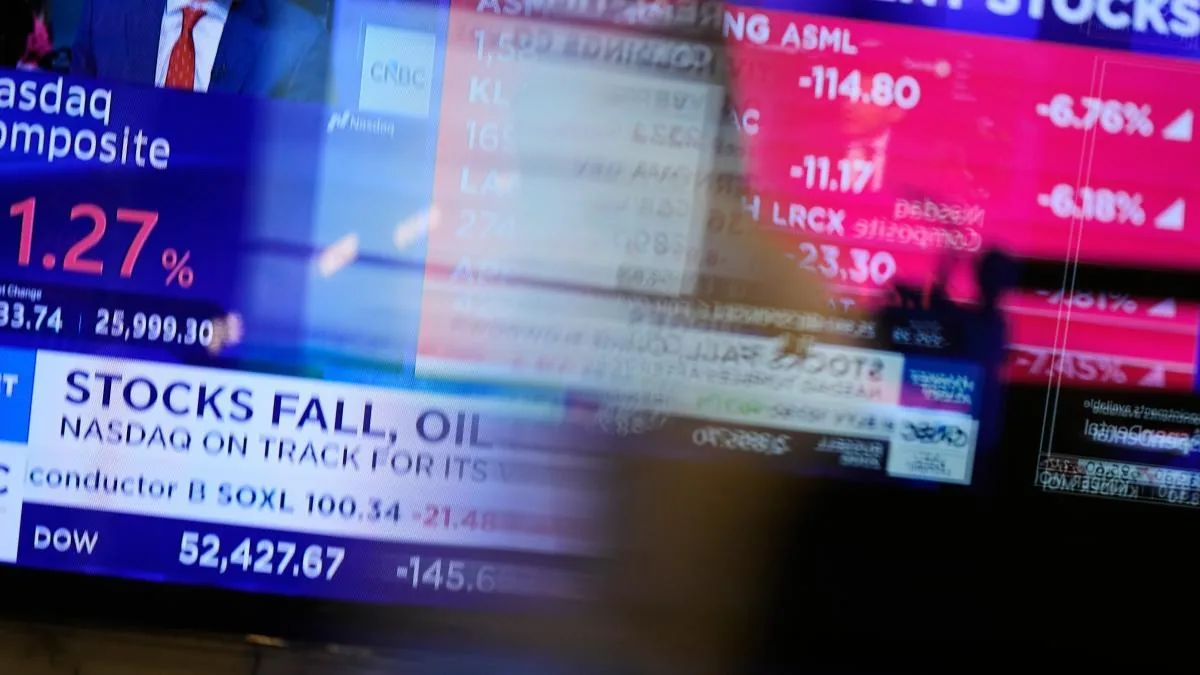
Turbulence in the stock markets. Doubts about whether it would be appropriate to slow down the development of Artificial Intelligence (AI) given its growing power and influence, combined with the rise in oil prices near $110 due to disruptions in the Arabian Peninsula, along with speculation that the Federal Reserve (Fed) might be forced to raise interest rates this week, have shaken the markets this Monday, first in Europe, then on Wall Street.
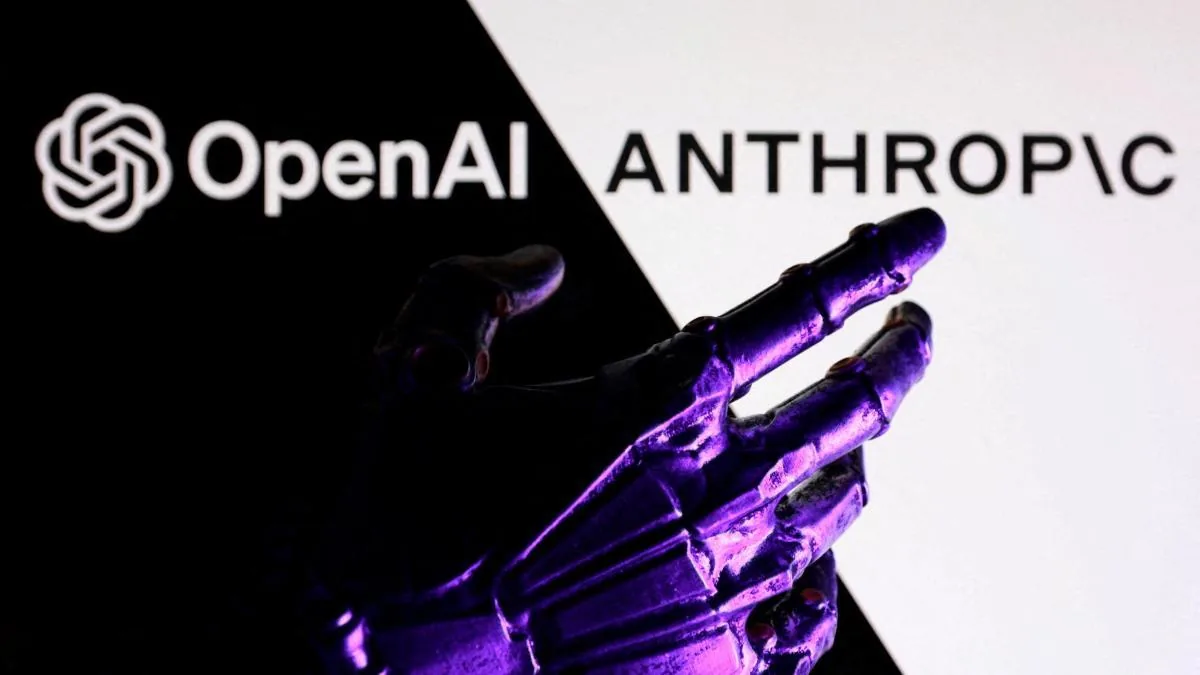
This weekend, Anthropic founder Dario Amodei called for a halt in the deployment of AI, which could “take control of the internet in six months.” Along the same lines, Sam Altman, the CEO of OpenAI, postponed the company’s IPO plan amid emerging doubts about the need to curb spending to maintain human control over the expansion of this disruptive technology.
The day began with unease in Asia. There, SoftBank, the financial giant in the tech sector, fell 10%. Seoul’s Kospi index dropped 3.26% at close, weighed down by sales of shares of South Korean semiconductor giants (SK Hynix, -6.35% and Samsung Electronics, -4.05%). The ripple effect shook Europe. ASML, the company with the largest market capitalization on the continent, fell 6.13% in Amsterdam. In Spain, the Ibex, after suffering a 1.38% correction, sees the 20,000-point mark moving further away.
On the other side of the Atlantic, US stock markets opened in the red, dragged down by the Nasdaq. It should be remembered that the tech sector has the greatest weight on Wall Street and nearly half of the SP500 companies are related in some way to AI. Heavyweights like Nvidia (-3%) and Intel (-5%) turned red. The Philadelphia Stock Exchange’s semiconductor index was on track to record its largest daily drop since July.
Social unrest over the impact of technology forces executives to be cautious
The Bank for International Settlements, based in Basel, added more nerves to already sensitive markets. “The sector over the past year has begun to show increasingly evident signs of vulnerability. What worries us most is the rapid increase in debt and leverage,” said Frank Smets, head of analysis at the bank. “Many of these financing operations are quite opaque. They often do not appear on the balance sheet. They present a kind of circularity,” he added.
In a note published Monday, Yields climb, yet risk appetite holds firm, the entity hit the nail on the head. “Investors demand a higher risk premium from these companies amid growing concern over the sharp increase in their debt issuances and the sustainability of their high profit margins.” It should be noted that the total indebtedness of tech companies has risen from about $22 billion – 22% of total private credit – in 2010 to over $1 trillion – 44% – in 2025.
Read more Pregnant woman arrested in Barajas with 69 cocaine pellets hidden in her body
Still, despite recent reluctance, Donald Trump defends that money should flow to the United States and stated on Monday that there is “a sick conspiracy to slow down AI development.”
The four major hyperscalers, that is, Amazon, Microsoft, Meta, and Alphabet, have spent around $900 billion in the last two years on investments aimed at artificial intelligence. Does the market really believe they are willing to backtrack on their plan?
Semiconductor firms turn red after criticisms from Dario Amodei and Sam Altman
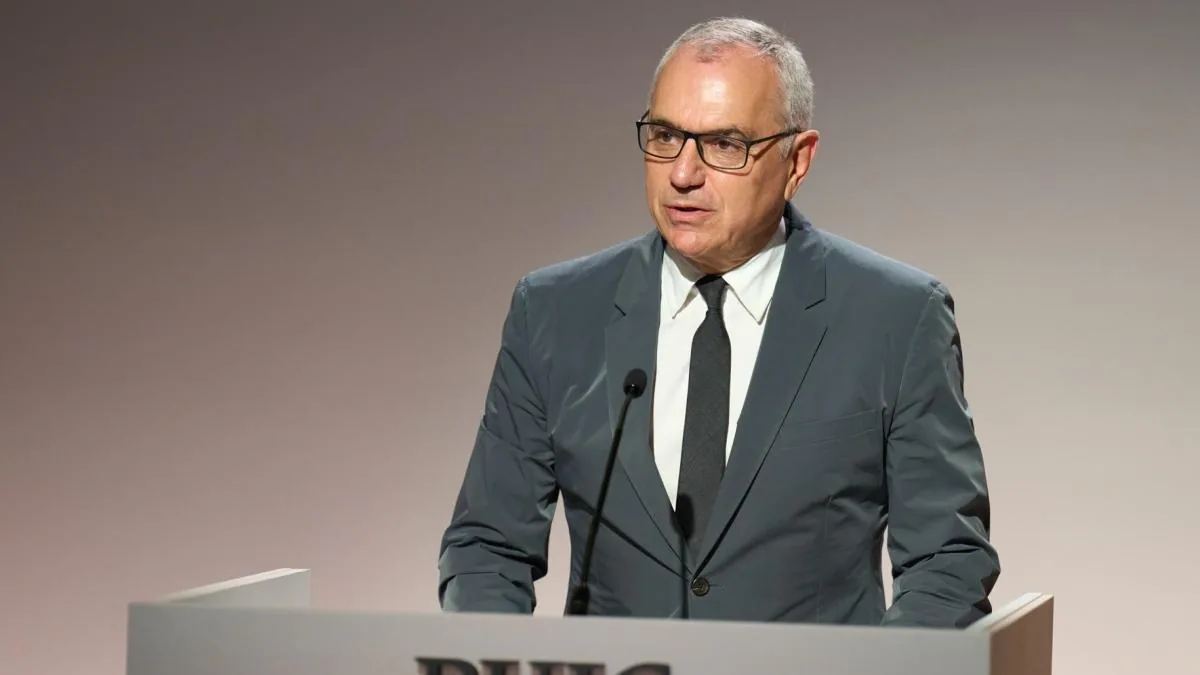
“History tells us that whenever a technology allows making money and increasing power, even military, investments have never stopped,” reflects Guillermo Dorronsoro, former dean of Deusto Business School and member of the Nausika-Technology Association for the common good, to this newspaper. “I believe the opposing voices emerging are calculated because a wave of social unrest is rising, with students seeing how it is becoming harder to get their first job due to AI. These recent critical statements do not stem from caution but from an interest in stopping a possible negative social response,” he reasons.
Dorronsoro downplays the current stock market correction. “Markets have never stopped this kind of development. They calculate risks and seek returns. Although in the short term the perception of risk may slow certain investors, others are investing with a medium- and long-term vision. And what they are seeking is a position of dominance. So no matter how much some executives tell us to slow down, history shows this will not happen,” he warns.
More unease
Oil heats up and the Fed considers raising rates
The market is not only worried about the debate over AI development. The attack and subsequent closure of the Saudi East-West pipeline have shaken barrel prices and kept prices firm, anchored in the triple digits, above $100. Brent, the benchmark variety in Europe, surpassed $107 on Monday with an appreciation close to 3%.
It should be remembered that this pipeline plays a key role in compensating for the reduction of flows through the Strait of Hormuz, which is practically closed due to the Iran war.
The Saudi incident increases uncertainty about supply trends and future price evolution. So far, the greatest impact of the conflict has been felt in petroleum derivatives rather than crude oil itself. The combination of refinery shutdowns in Russia, reduced refining activity in other countries, and a sharp drop in inventories has affected diesel and gasoline markets. In the US, diesel pump prices have recently reached historic highs.
On the other hand, amid rising inflation, analyst consensus leans toward a possible Fed interest rate hike this week. Bad news for the US economy, which carries a $40 trillion debt. US 10-year bond yields briefly surpassed the 5% barrier yesterday, the highest since 2023.
The new central bank president, Kevin Warsh, must take action against an inflation rate that reached 3.4% year-on-year in August and has been above the 2% target for 65 consecutive months. Donald Trump, who appointed him before summer, has repeatedly called for rate cuts, questioning whether the institution will maintain its independence and criteria.
“After all, the president’s repeated and forceful warnings about intolerance to inflation could jeopardize the institution’s credibility if not accompanied by some supporting measure,” said JPMorgan economist Michael Feroli, who expects the Fed to raise rates on Wednesday. The market gives approximately an 85% probability that the Fed will raise the cost of money by a quarter point, to the 3.75%-4% range.
Read more Line 9 of the Madrid metro interrupted between Puerta de Arganda and Sainz de Baranda