









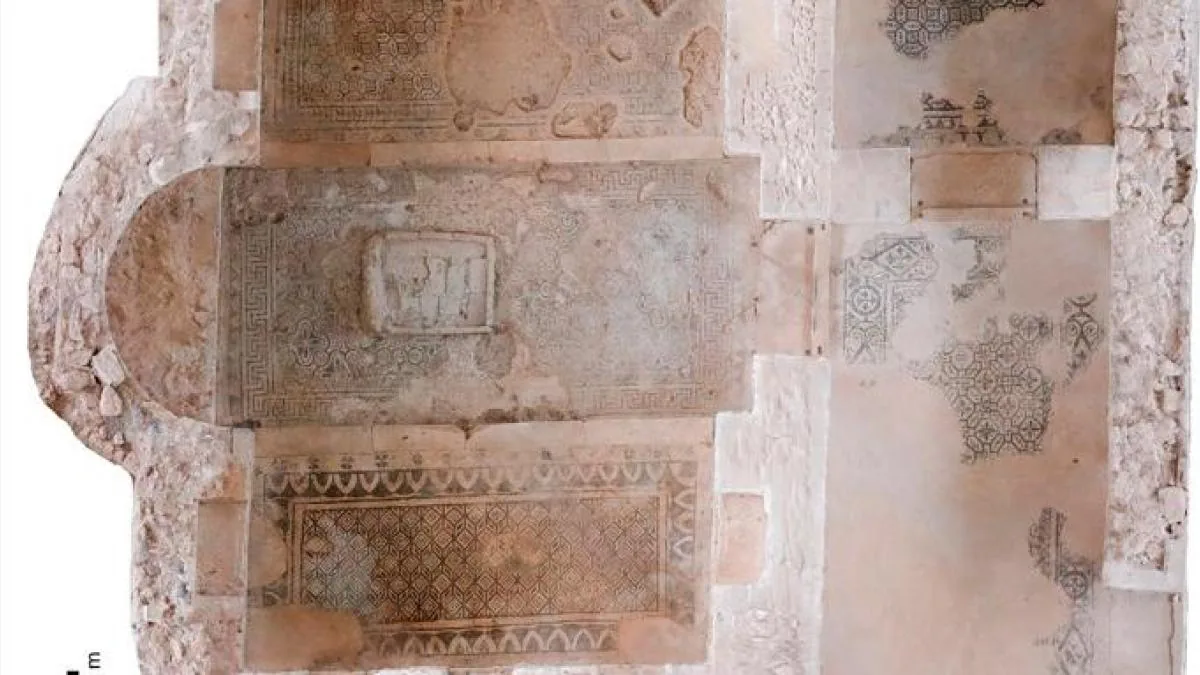
Everyone thought that this was just another room in an ancient Roman villa built in Fuente Álamo (Puente Genil, Córdoba). Some speculated that the room could even be a mithraeum, a temple dedicated to the Persian-origin god Mithras and built to imitate a cave. But the space was actually the oldest library on the Iberian Peninsula.
Read more Why build a port if you have a beach (and slaves): what kind of dock did Barcino have?
Archaeologists from the University of Granada have analyzed the room using a new technique known as shape grammar. The goal was to identify small architectural elements to determine if a construction has enough coherence to be confidently defined as a library.
Room 10 of the Fuente Álamo villa
As explained in an article published in the Journal of Mediterranean Archaeology, the researchers applied this method to two domestic spaces: room 7 of the so-called Theodosian Palace of Stobi (North Macedonia), capital of the province of Macedonia Salutaris, and room 10 of the Fuente Álamo villa.
The Andalusian site is on a road that connected the coastal cities with Córdoba, capital of the province of Bética. The new analysis confirms that the studied room was a reading room, making it the oldest documented on the Peninsula and one of the best preserved in the Roman Empire.
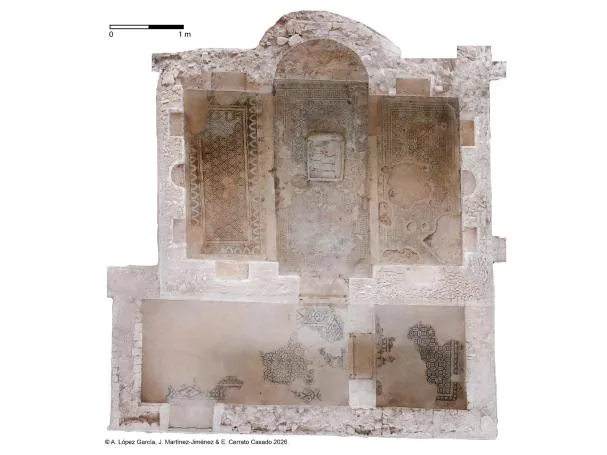
The space has a layout that fits the constructive language of Roman libraries: an apse, rectangular niches that could have housed shelves, other semicircular ones, a podium, and adjoining auxiliary rooms that probably served as work or storage spaces.
The combination of these features has been key to ruling out the previous interpretation of the space as a possible mithraeum and confirming its use as a place intended for reading, study, and cultural display. “The architecture of Fuente Álamo preserves an exceptional combination of clues that allow going beyond mere hypothesis,” the experts write.
Read more Paula Echevarría cries over the death of her father alongside her mother and her daughter Daniella
Also read
The villa of at least 400 square meters – featuring three mosaics called Nilotic, The Three Graces, and The Triumph of Bacchus – was built in the 4th century AD on the same grounds that had housed a Balneum (Roman baths) active between the 1st and 3rd centuries.
The private library of Fuente Álamo is also the westernmost in the entire Roman Empire. The researchers consider that the importance of this finding is close to the exceptional Villa of the Papyri in Herculaneum, whose content (the papyri) is preserved but not the physical structure that housed them.
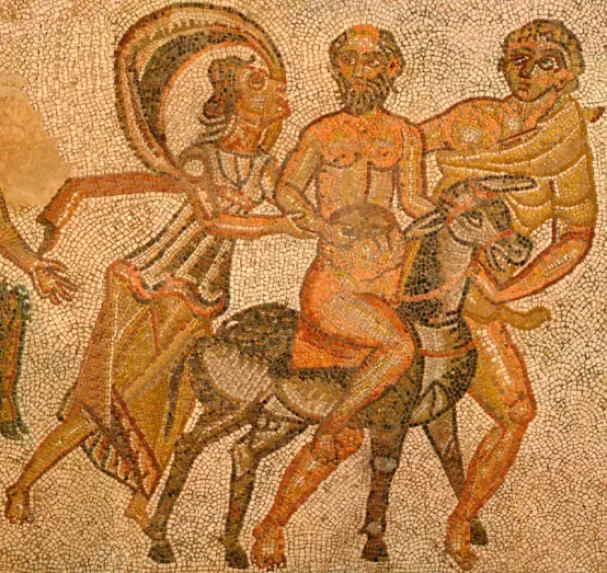
The work of the archaeologists from the University of Granada also includes a hypothesis that adds greater interest to the discovery. The experts suggest a possible link between this room and a sarcophagus found in the 19th century at the nearby Villares del Carril site.
This piece, known as the Declamatio sarcophagus, features scenes related to reading and teaching. Its chronology and iconography coincide with those of the villa where the library was found. One of the figures (a bearded man with a scroll and a codex) resembles a character from a mosaic in Fuente Álamo that previous studies identified as the owner of the estate.
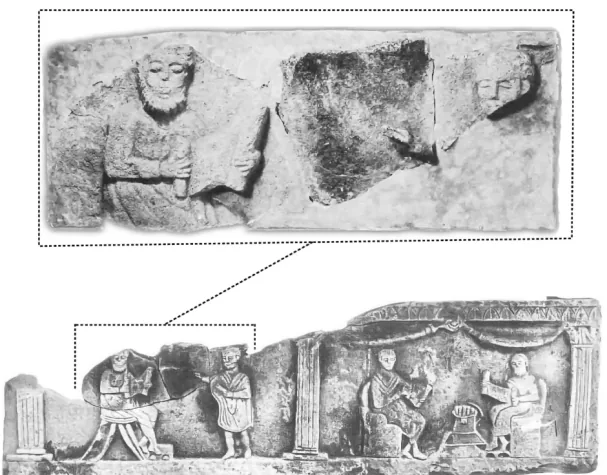
“Although this relationship cannot be definitively proven, it opens the door for the sarcophagus to represent the owner of the library, offering a unique testimony of how the rural elites of late antique Bética were connected to written culture and intellectual identity,” the researchers conclude.
Read more Historic Italian defender Franco Baresi dies at 66 years old