New generations allocate part of their budget to mental health, sports, or education, needs that a few decades ago were not even part of everyday life. Prices in Spain have risen by 3.2% in the last year, a figure that coexists with a widespread feeling: everyday life has become more expensive in almost everything, even in what was not previously considered consumption.
Read more In 2027, 115,000 jobs will be created to care for 417,000 new dependents
The issue, however, goes beyond inflation. It is not just about how much it costs to live today, but what life has become. Because, alongside the rising prices of everything, new expenses associated with physical and emotional well-being have appeared that today are part of the normality for many young people.
Different generations, different ways of understanding the world
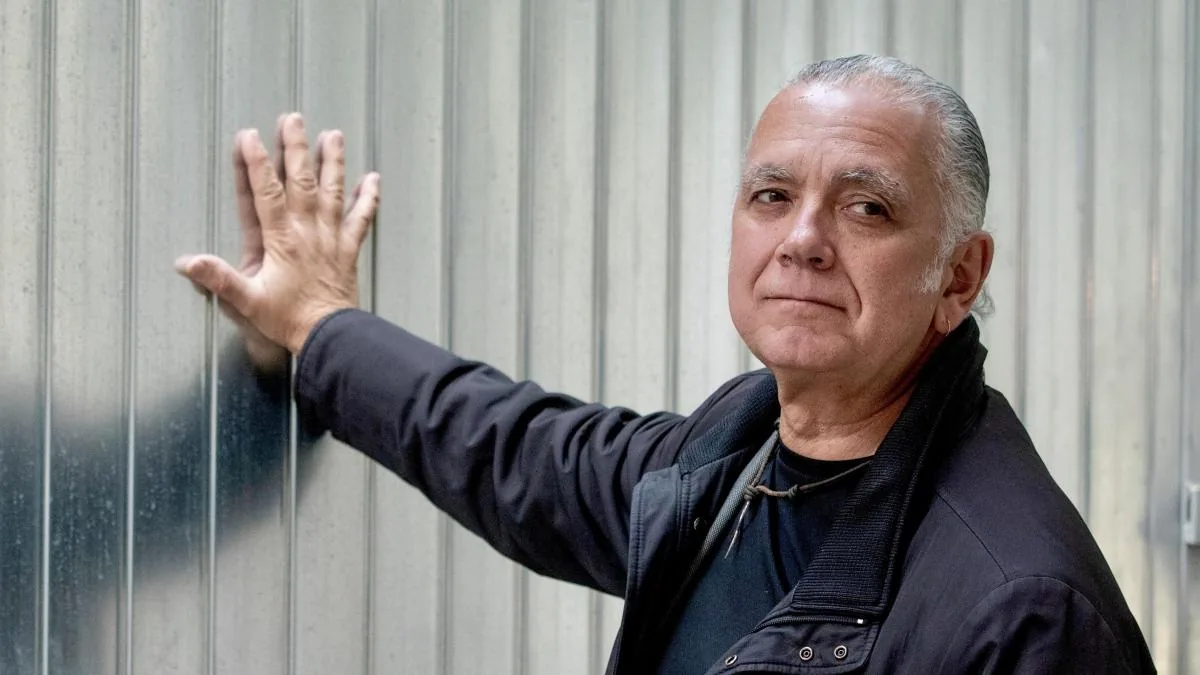
The demographer from the Centre d’Estudis Demogràfics Pau Miret warns that directly comparing generations can lead to oversimplified interpretations. In his view, each cohort has lived in a different economic and social framework and, therefore, cannot be measured by the same parameters. “It doesn’t make much sense to pit generations against each other because each has lived in completely different contexts,” he points out. More than establishing who lived better or worse, he argues, it is better to understand how the life cycle and emancipation conditions have changed.
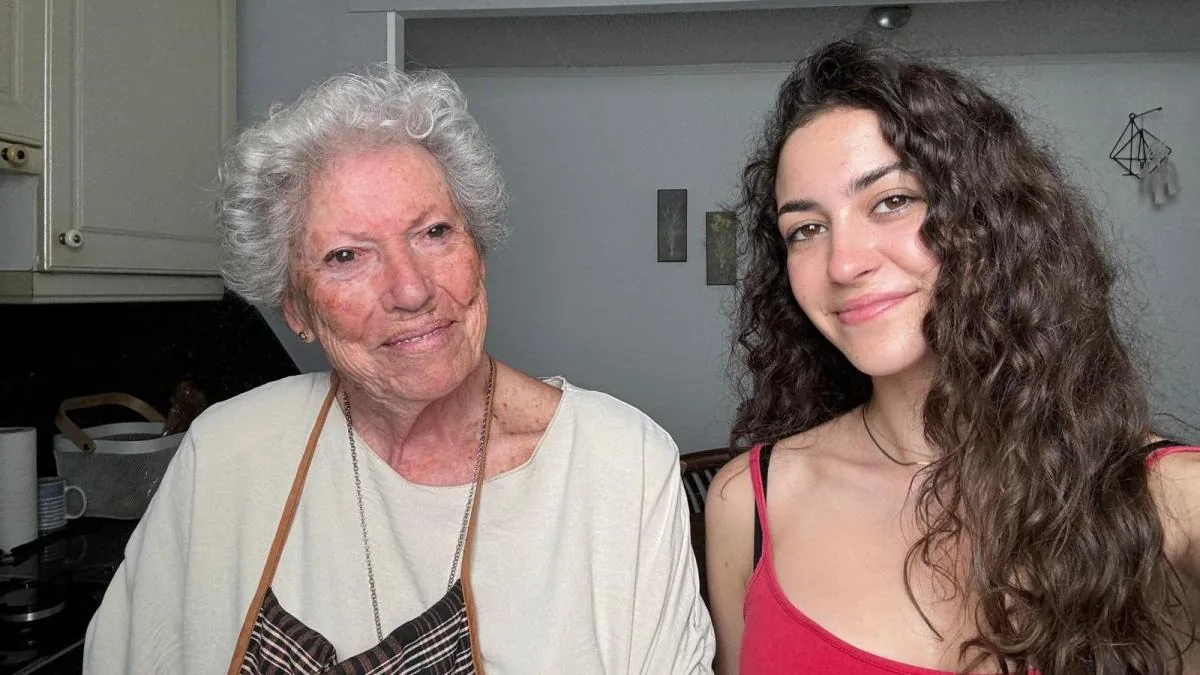
Antonia is 91 years old. Silvia, her granddaughter, is 24. When they sit facing each other, not only do two very different generations meet, but also two ways of understanding the world. One started working barely a teenager; the other is still building the path toward independence that stretches between studies, part-time jobs, and a constant feeling of just starting out. At first glance, it might seem that young people spend more, but that impression fades as the full context of their lives appears.
Antonia remembers her thirteen years as the beginning of everything. “I earned 50 pesetas a week,” she explains, as if opening a door to another era without giving it much importance. Shortly after, she was already working in a store selling girdles and women’s underwear. The money came into the house and went out without passing through her hands. “My salary and that of my siblings went entirely to my parents until I got married,” she recalls. In her world, working was not synonymous with independence, but a way to support the family economy. “I was already married at 24.”
Silvia, at the same age, lives a completely different reality. She studies Interior Design in person and combines her education with part-time jobs that barely leave her room to breathe. “I pay for my things, my whims… but I still need my parents to have a roof and food,” she explains. She sums it up with a common image: she has had a driver’s license for six years, but the car is still her family’s. Independence is still an idea under construction, although she assures she does not feel bad about it. “I’m happy to be able to focus my life and, if something comes later, it will come.”
In my time none of that existed… neither going out to dinner, nor gyms, nor psychologists, nothing. If you didn’t eat, you died…
Antonia
(91)
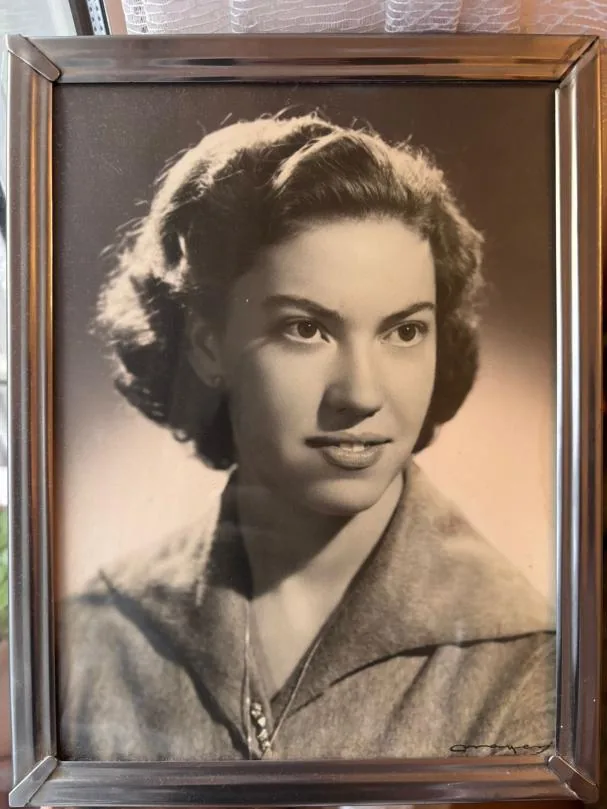
Antonia stopped working when she got married. She does not remember it as a renunciation, but as a natural transition. “Do you think I wanted to work with a house and three children?” she asks with laughter. Silvia, on the other hand, looks at that decision from another place and asks if she didn’t then feel a lack of freedom or the desire to do other things. Her grandmother smiles and responds from her own life logic, in which stability was about family, home, and a life organized around the everyday, alongside her late husband, whom she remembers with emotion.
Her day-to-day was structured differently: mornings of work, afternoons of sewing, and a street that functioned as a meeting place. The sardanas in front of the Barcelona Cathedral, long conversations, and unhurried plans were part of leisure that was not consumed but shared. “Going out to dinner didn’t exist,” she sums up.
Also read
Silvia’s life is crossed by a different logic. Fitboxing, Hyrox classes, or psychological therapy are part of her monthly routine, with expenses totaling around two hundred euros. She does not see it as a luxury, but as a necessity to maintain her well-being. “It helps me release tension, organize what I feel, and feel better,” she explains. During adolescence, she went through an anxiety episode linked to a romantic relationship and uncertainty about her future, a stage that also left a complex relationship with food that her grandmother did not know how to support. “She told me what I had to do, but my head couldn’t always do it and my grandmother didn’t understand that,” Silvia recalls.
Read more The fire in Orés advances uncontrollably and the burned hectares increase to 12,000
Antonia listens from her own generational framework, without references to name what was not part of her world. “In my time none of that existed… neither psychologists nor anything. If you didn’t eat, you died,” she says without reproach, more as a statement of distance between two realities. Between them there is no open conflict, but a difference in language and life experiences that conditions the way of understanding well-being.
Well-being has a price: social and mental
Silvia acknowledges that her life is crossed by expenses that do not always translate into material goods, but into education, mental health, or experiences. These are concepts that today are part of her daily life but, paradoxically, often delay the possibility of emancipation. Independence, which in previous generations came earlier, now stretches over time and depends on multiple factors beyond individual effort.
This change is also influenced by the transformation of leisure. Both agree that social networks and technology have expanded possibilities, but also costs. While Antonia remembers a youth in which leisure did not involve consumption, Silvia describes a present in which going out, socializing, or traveling means a constant expense.
“Now leisure is paid for,” she sums up herself, in an idea both share from different experiences. Antonia interprets it from the comparison with her past: “Now there are many more things. Before there weren’t. You couldn’t spend on that because it didn’t exist.”
In housing, however, generational differences soften. It is the only point on which both agree without nuances. “Everything is very expensive,” admits Antonia. Silvia nods. The difficulty of accessing one’s own home has become one of the main obstacles to youth emancipation and a structural element that conditions the rest of the life project.
It makes no sense to pit generations against each other because they have lived in different contexts. (…) The problem is not only economic, but social structure
Pau Miret
Demographer
For Pau Miret, it is precisely at this point where the comparison between generations becomes more complex. The demographer recalls that today’s youth not only face higher prices in certain areas, but a longer emancipation model dependent on external factors. Added to this is the lack of sufficiently strong youth policies, especially in housing and employment, which makes family support remain a key element to be able to become independent. “The problem is not only economic, but social structure,” he points out, while emphasizing that expectations of stability have changed profoundly compared to previous generations.
Miret also warns that differences should not be interpreted as a competition between eras, but as the result of different historical trajectories. Antonia’s generation was marked by the post-war and reconstruction; that of her children experienced a period of expansion; and the current one faces a context of greater uncertainty and relative precariousness in some sectors, but also with new forms of well-being that did not exist before.
Perhaps that is why, more than asking who lived better, the conversation between Antonia and Silvia ends by pointing out something else: that the map of life has changed. And that in this new map, emancipation, well-being, and consumption no longer follow the same rules as a few decades ago.