







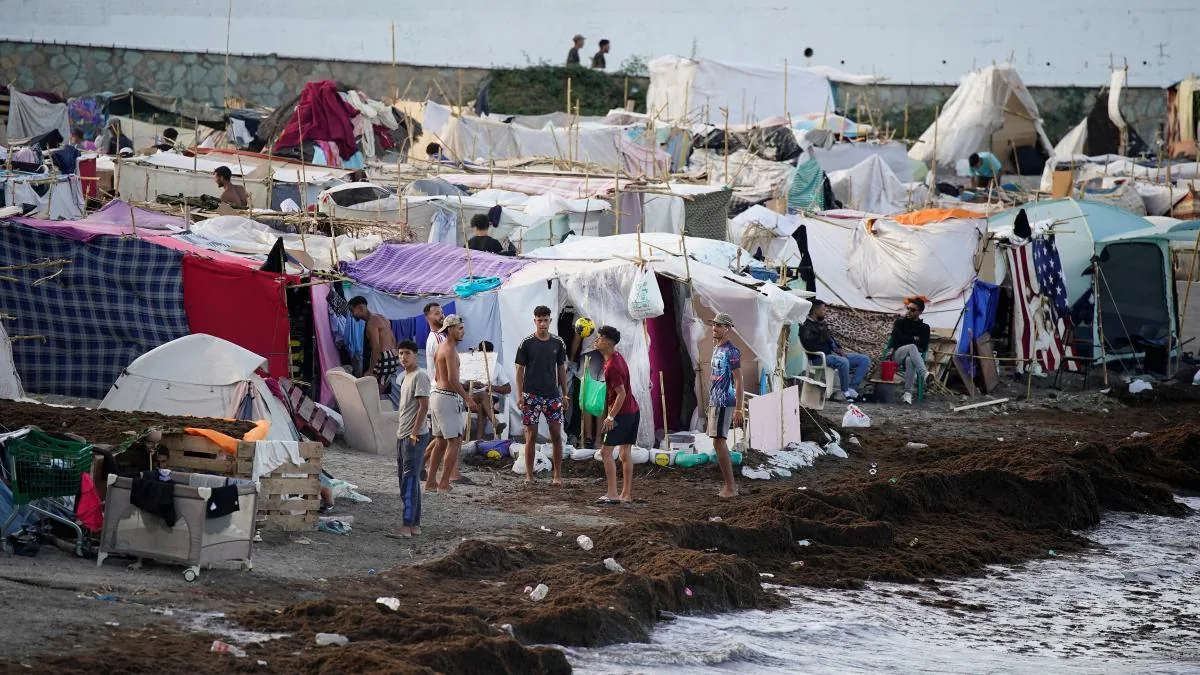
At Trampolín beach, which since the beginning of the Ceuta crisis became the symbol of the migratory overflow in the face of the authorities’ impotence, competition has emerged. On the other side of the desalination plant – a critical infrastructure for the city’s water supply – shanties are expanding at Benítez beach, increasingly robust, at a dizzying pace. The huts, built with materials their inhabitants collect from forests, streets, or dumps, are gaining ground on the shore while the immigrants settle in them, although they do not lose hope of entering a reception center. But how is it possible that a new Lampedusa sprouts in Ceuta, 45 days after the massive entry, when 4,300 humanitarian beds have been opened and the procedures for expulsions have reached an alleged “cruising speed”?
Read more AI Alarm, Data Center Fever
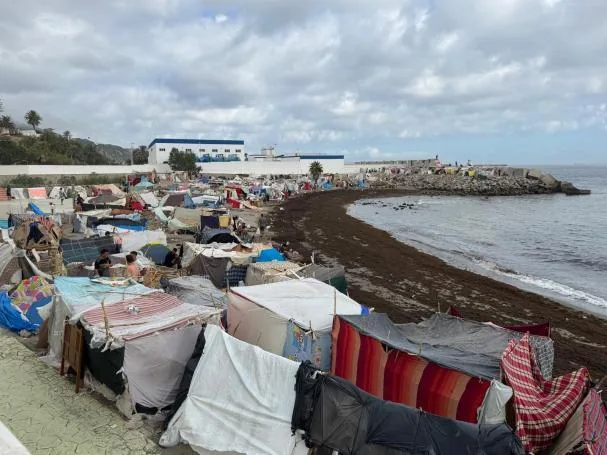
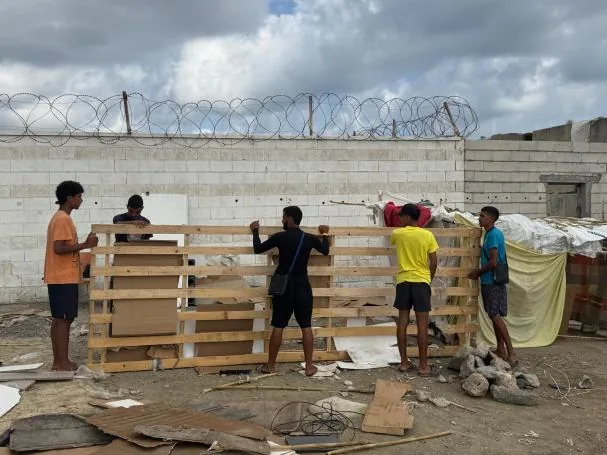
Brahim has been at Benítez beach since the weekend after the avalanche. Those days there were no more than a dozen tents in the area. Now they exceed a hundred. The experience granted by his almost 50 early mornings exposed at Benítez helps him explain that behind the exodus to his beach is the harassment that groups of Moroccans from southern cities like Casablanca and Fez are carrying out against their native compatriots from northern cities like Tetouan, Castillejos, and his native Tangier. To the hostilities – brawls, assaults, robberies – Algerians or Tunisians are added, depending on the wind. Brahim has been receiving his countrymen for days, indicating where they can set up their huts. Although he is aware that the sand on Ceuta’s beaches is a huge powder keg.
The ambush they set for Abderramán three nights ago while he was sleeping near the desalination plant has led him to settle in Benítez. He says that at night alcohol and Rivotril flow like at a rave among groups of migrants looking for trouble. He says he identifies with those who have come to Spain seeking employment. He recalls that he had no time to react when a stick crossed his face. While trying to get up, some kicked his side, as evidenced by the bruises on his body; others stole his mobile phone and the few savings he had. Seventy euros, to be exact. Adnan was attacked early Saturday morning: assault with a knife. He says, while showing the barely healed wounds, that the Red Cross attended to him, and he does not dare to go to the hospital for fear of being deported. He shows a WhatsApp group where messages warn that the police are speeding up expulsion procedures.
The Minister of the Interior, Fernando Grande-Marlaska, said yesterday that the triage of migrants prior to starting asylum or return procedures is going at “cruising speed” since the temporary foreigner care center (CATE) was opened a week ago. There, about a hundred police officers, including Frontex agents, work “with the greatest speed that the law itself allows.” But the regulation is highly protective, so each migrant must be assigned an individualized file. About 1,800 have been opened, although the daily hundred predicted by the Government has not yet been reached. Police sources place them around 75 per day.
Benítez Beach
The expansion of the shanties shows that more than 6,000 migrants remain in Ceuta
The Interior Minister also estimated 5,300 voluntary returns since the beginning of the crisis. The same Grande-Marlaska assured on August 1 that, after the avalanche, only about 2,500 people remained in Ceuta.
Read more Donald Trump calls Jensen Huang (Nvidia) live: “The danger of AI is a hoax”
Ceuta’s two Lampedusas are making visible that the Government’s estimates fall short. When the Ministry of Migrations finishes enabling the pending temporary places “in the coming dates,” which will exceed 6,000, there will still be – many – people on the street. The Minister of Childhood, Sira Regó, reported last weekend that about 2,100 registered migrant children continue in the city. But she did not dare to predict how many remain unregistered. Adam, 17, is a Tangier native who remains invisible to the Spanish system. So are his 12- and 15-year-old brothers, who accompany him in Benítez.
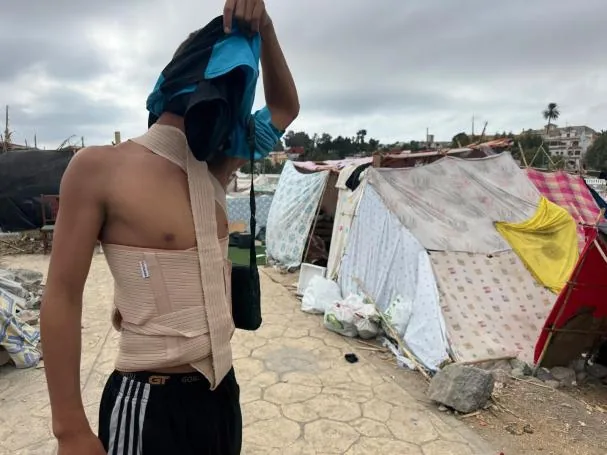
None of the three brothers want to return to Morocco because they need to help their father, a widower of almost 50 years who survives begging on the streets of Tangier. The eldest, Adam, also had his mobile phone stolen in a nighttime brawl, from which he also came out burned. Like the innocent who feels the need to prove he is not guilty, he lifts the dressing from his back to show the aftermath of the stab: five stitches.
Brahim, who now acts as their father – and of many other northern Moroccans arriving at Benítez – asks that it be reflected that they do not want trouble. But he warns that “everything has a limit.” And if that point is reached, “they will seek revenge.”
Read more Learn to write in the age of AI