The powerful weather phenomenon El Niño threatens to push 49 million more people into acute hunger in some of the regions most vulnerable to its effects by the end of 2027, reaching 274 million people, according to a report by the United Nations World Food Programme (WFP). Of the 45 countries analyzed, the most affected regions are expected to be southern Africa, Latin America, and the Caribbean, with a considerable increase in the number of people facing food insecurity.
Read more Man wanted for murdering his ex-partner in Murcia arrested in Puerto Lumbreras
El Niño will possibly reach its peak between September and December this year; however, many areas will continue to suffer its effects throughout 2027. This phenomenon is one of the main factors driving natural global climate variability and occurs when the surface waters of the central and eastern equatorial Pacific Ocean (especially off the coasts of Peru and Ecuador) warm more than usual for several months, which means that human-caused global warming increases by a few tenths.
The probability of El Niño intensifying this year, which the UN estimates at 81%, could make it the strongest such phenomenon since 1950. It brings extreme droughts in some regions and severe flooding in others, although in some cases, these may occur in the same area. Therefore, although El Niño does not directly drive hunger, it causes significant damage to crops, livestock, and infrastructure, thereby harming food production and disrupting markets.
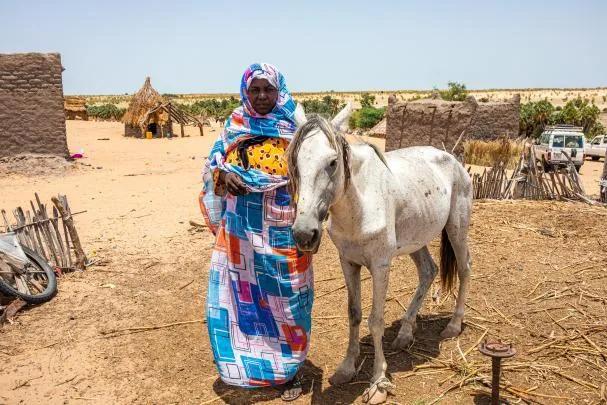
The WFP report warns that the impact on these 45 countries, which already face poverty, conflicts, economic instability, and recurring extreme weather events, will result in an approximately 22% increase in the number of people affected by hunger, rising from 225 million in these regions to 274 million.
Vulnerable Regions
Africa and Latin America with alarming figures
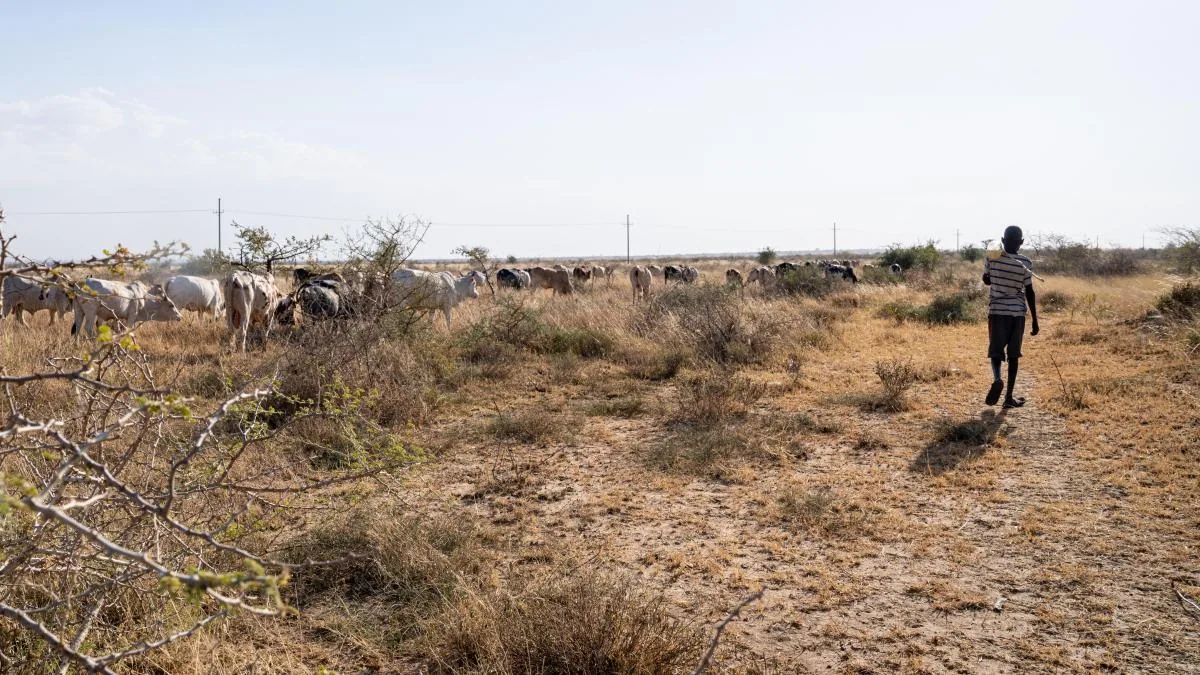
One of the largest increases in food insecurity is expected in southern Africa, with 12.2 million people affected, while in eastern Africa it is estimated at 5.9 million. That is, more than 18 million people could be affected in these regions, representing a 26% increase. Additionally, the impact on agricultural and livestock areas due to lack of rainfall, high temperatures, and high levels of preexisting vulnerability is concerning, according to the WFP.
South America and the Caribbean also present worrying absolute figures, also 12.2 million people, with the serious case of Central America, which records the highest proportional increase (83.1%) of all the regions analyzed. Lack of rainfall could reduce the production of staple crops in drought-prone agricultural areas.
In southern and southeastern Asia, risks focus on drought and irregular monsoon behavior, with localized flooding. In western and central Africa, impacts are expected to be generally more moderate, although lack of rainfall in some areas of the Sahel, a long strip of land crossing the entire continent from west to east in the north, could cause significant deterioration.
Read more Andy Burnham has a small problem: he will not be able to appoint bishops
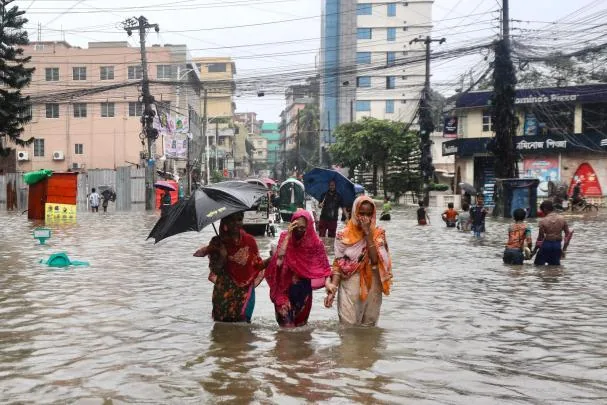
Currently, the climatic effects of this phenomenon can be observed in areas of eastern Sahel, the Dry Corridor, and other zones of South America and the Caribbean, southern and southeastern Asia, and areas of eastern Africa.
Markets
Prices rising due to conflict in the East and weather conditions
Global food markets entered the El Niño period in a relatively strong position after the good harvests of 2025, but the conflict in the Middle East and possible crop losses related to weather conditions could exert new upward pressures on prices, warns Martin Bauer, director of the Food Security and Nutrition Analysis Service at the WFP.
The 2015-2016 El Niño phenomenon already affected the food security of between 60 and 100 million people. While these previous episodes had a strong impact, they usually did not cause large increases in global food prices. Now, regional shortages and price increases could further hinder access to food for vulnerable households, explains Bauer.
Also read
Preventive Measures
Lack of funding from the United States and Europe hinders monitoring
The agency emphasizes that forecasts remain uncertain and that effects will vary by region but encourages preparedness by governments and aid agencies. Additionally, funding cuts by U.S. and European donors in 2025 pose an obstacle to monitoring efforts and a growing scarcity of food security data, which are essential to assess the impact of El Niño.
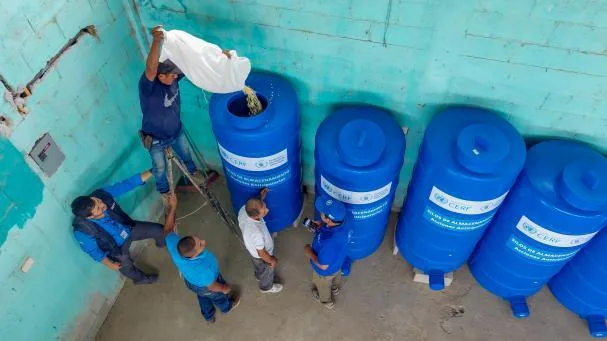
The WFP and its partners have begun implementing preventive measures to address floods, droughts, and storms and to reduce subsequent humanitarian impacts. Anticipation plans in more than 50 countries aim to support governments in their preparations and help communities reduce risks. Since May, these plans have been active in South Sudan, Chad, Mauritania, Uganda, Guatemala, and El Salvador.
Read more Free museums, but for whom?