










El Niño is a meteorological phenomenon capable of causing the most powerful natural climate variability on the planet. It produces an abnormal warming of the tropical Pacific Ocean and can have extreme and unpredictable consequences. This phenomenon, which has been anticipated since 1997, generates climatic alterations especially during the second year from its onset. The last episode was recorded between 2023 and 2024.
Read more Actor Manolo Solo dies at 62 years old
Why can we consider that the ‘El Niño’ 2026-2027 will be “exceptional”?
The climate models of the main international meteorological institutions anticipate a strong and extraordinary El Niño episode. So far, the prediction models of the European Centre for Medium-Range Weather Forecasts (ECMWF) have recorded a progressive increase of between 3 and 4 degrees since February of this year. Variations never before recorded. The previous “strong” El Niño episode experienced in 2015 – called the “Godzilla” – had variations of up to 2.5 degrees in tropical temperature.
Can we predict the effects it could have in Catalonia?
Catalonia, as well as the rest of Spain and the Iberian Peninsula, is not within the area of influence of this natural meteorological phenomenon. Therefore, it cannot be assured that it will have direct implications in the form of droughts or floods in the territory. The great danger of El Niño is that, once started, a series of variations known as “teleconnections” occur in different parts of the planet, mainly concentrated in the tropical belt.
Also read
Will we notice the consequences of ‘El Niño’?
According to the Meteorological Service of Catalonia (SMC), “if the effects are noticed, it will be because they have been able to modify the North Atlantic Oscillation (NAO),” known as the great climatic engine of Europe. This can happen when the subtropical high-pressure belt shifts or there is an alteration of winds coming from the North Pole.
Read more 58-year-old man arrested for causing three forest fires in l’Anoia
Even so, according to the agency, “it cannot be assured that there is a clear link between El Niño and periods of drought or scorching summers.” In fact, the most severe drought episodes — the last ended in 2024 — and the years with the highest recorded temperatures in the territory — from 2022 to 2025 — have occurred without the presence of El Niño.
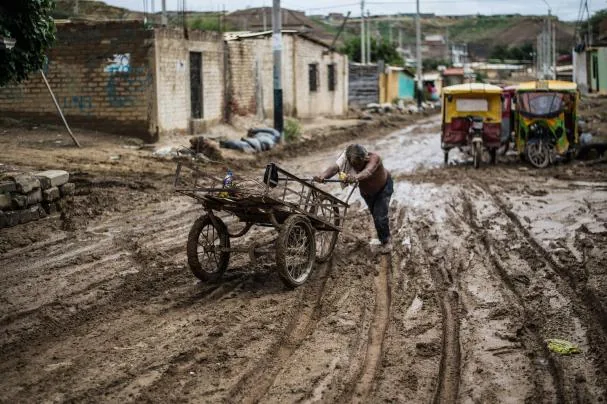
What are the main impacts caused by ‘El Niño’?
The climatic impacts vary according to the affected region. In previous episodes, while precipitation in Peru increased by up to 35 times — going from 35 mm to 700 mm on average compared to periods without this meteorological phenomenon — in Australia, parts of Asia, or southern Africa, a marked decrease in precipitation and prolonged droughts were recorded.
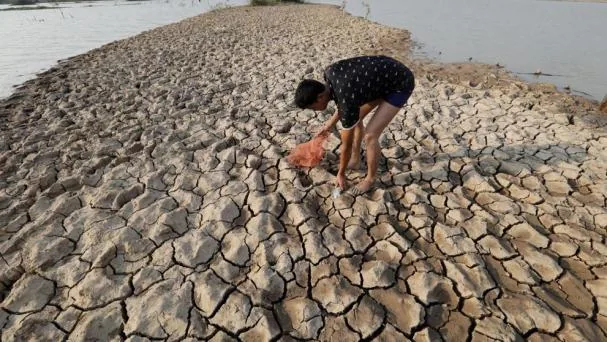
Will climate change make each episode more extreme?
Climate change affects the development and evolution of this meteorological phenomenon. If the episode experienced in 1997 — the first that could be predicted — is compared with this year’s, it can be seen that the current one occurs over an ocean that records warmer baseline temperatures due to climate change. According to the Meteorological Service of Catalonia, “this will strengthen the alteration of temperatures and the entire chain of meteorological events.”
Read more Two arrested as alleged perpetrators of the Almorox fire while working with welding machines