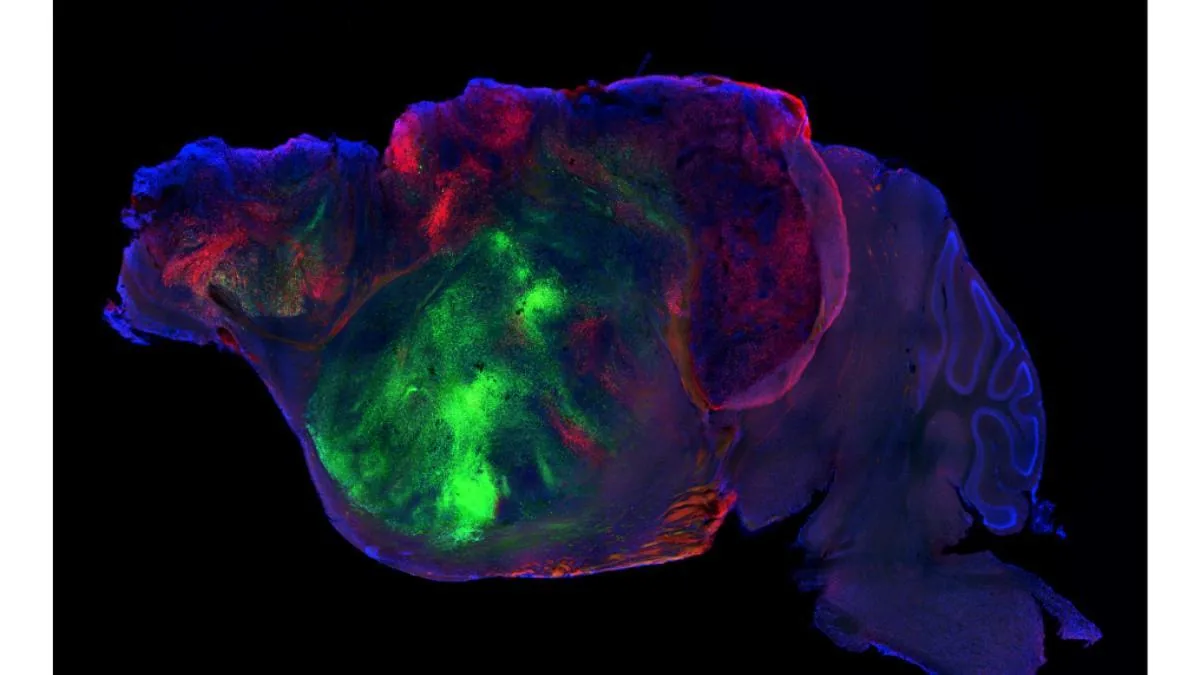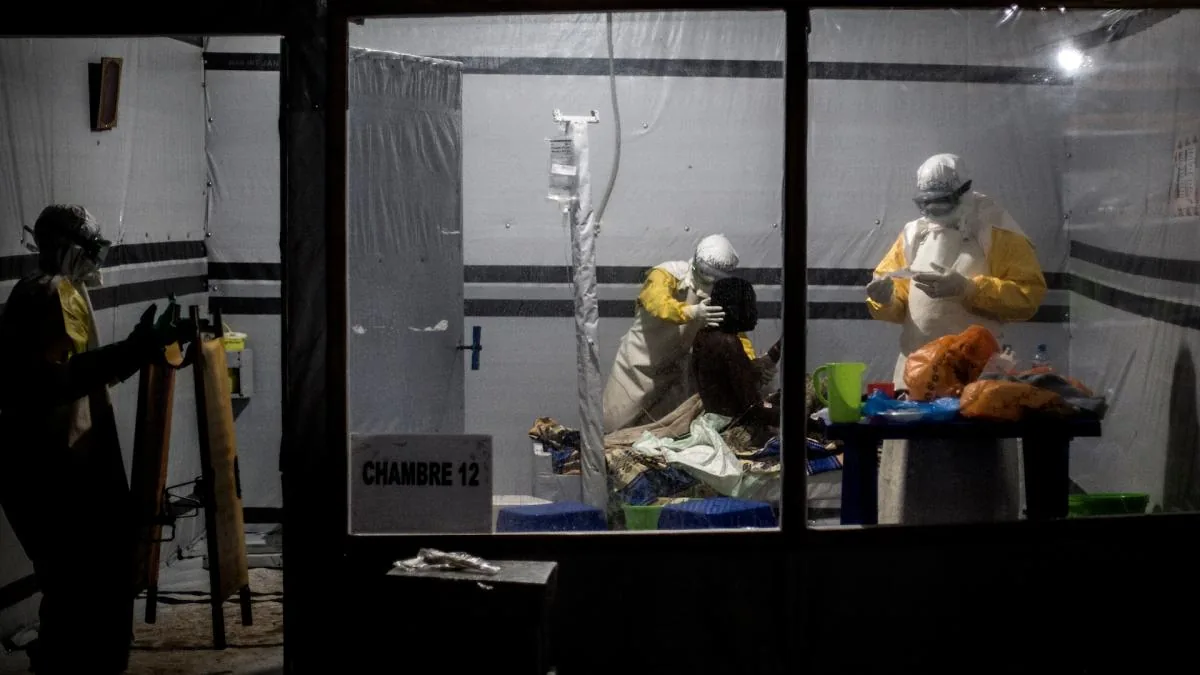
The Ebola epidemic that has started in the Iturbe province, in the northeast of the Democratic Republic of Congo, will not be like the previous ones. Only 36 hours after the first cases were known, the World Health Organization (WHO) declared it a Public Health Emergency of International Concern, the highest alert level the WHO can declare. Three reasons explain why this epidemic is on track to become the second largest in history: the spread of cases, the difficulty of the region to act, and the species of virus involved.
Read more Adelante Andalucía imposes the territorial factor and surpasses Por Andalucía
1. Many cases in different places
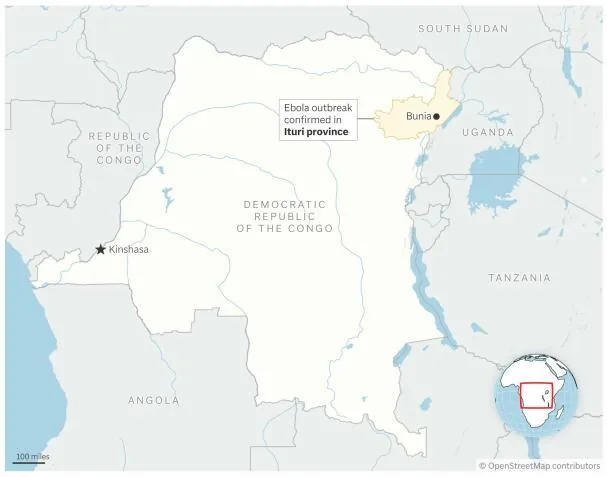
As of Saturday, 336 cases and 88 deaths have been reported, according to the Africa CDC. Most cases have been concentrated in the Iturbe province. But the epidemic has been active for at least a month, France Presse reported citing a health source. And two cases have already been recorded in Kampala, the capital of Uganda, 300 kilometers east of Iturbe, in people coming from DR Congo who had no relation to each other; one case in the city of Goma, 270 kilometers south of Iturbe; and another suspected unconfirmed case in Kinshasa, the capital of DR Congo, 1,700 kilometers west of Iturbe. “There are significant uncertainties about the actual number of infected people and the geographical extent of this episode,” the WHO states in the announcement declaring the international public health emergency. “Everything points to a potentially much larger outbreak than is currently being detected and reported.”
2. A region where it is difficult to act
The Iturbe province, bordering South Sudan and Uganda, is rich in gold mines, which causes a great mobility of population linked to mining activity and seems to be facilitating the spread of the virus. It is a region with precarious roads where it is difficult to quickly deliver health and humanitarian aid, the WHO has pointed out. It is also a conflict zone where paramilitary groups operate, which further complicates the work of health teams. And the fact that the virus has reached densely populated cities like Kampala and possibly Kinshasa raises fears that if the virus settles there, it will be difficult to cut the chains of contagion. In the largest Ebola epidemic ever recorded, with 28,646 cases and 11,323 deaths between late 2013 and 2016, infections in cities were one of the factors that most contributed to spreading the infection in West Africa.
3. No drugs or vaccines
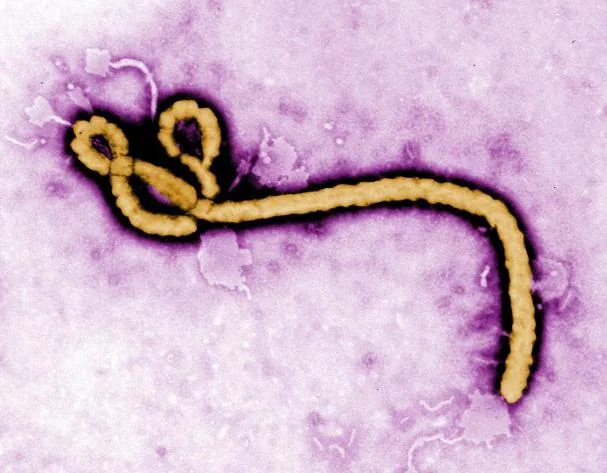
Ebola is a hemorrhagic fever caused by viruses of the genus Ebolavirus. Within this genus, there are six different virus species, four of which can cause the disease. The most common is Ebolavirus Zaire, responsible for 21 of the 32 outbreaks and epidemics recorded since Ebola was discovered in 1976, and for which there has been an approved vaccine since 2019 and antiviral drugs since 2020. The epidemic that has now started in Iturbe is caused by the species Ebolavirus Bundibugyo, against which there are neither drugs nor vaccines. There are only two precedents of Ebola episodes caused by this species. The first, in Uganda in 2007-2008, was controlled after 37 deaths among 149 cases, with a mortality rate of 25%. The second, in DR Congo in 2012, caused 29 deaths among 57 cases, with a mortality of 51%. The lack of drugs and vaccines in the current epidemic recalls the great West Africa epidemic of 2013-2016, caused by an Ebolavirus Zaire at a time when there were still no treatments or vaccines for this species.
Read more The Andalusians make it difficult for the PP and the PSOE
4. What magnitude will the epidemic reach?
The 336 cases and 88 deaths reported as of Saturday make the current Ebola epidemic the largest since the 2018-2020 one, which also affected the Iturbe province and the neighboring North Kivu in northeast DR Congo, and ended with 3,481 cases and 2,299 deaths. That was the second largest Ebola epidemic in history, after the West Africa epidemic of 2013-2016. But the fact that in this case the cases have already spread beyond Iturbe and North Kivu suggests that the epidemic that has now started will have a greater impact.
5. Local epidemic or global threat?
The epidemic started in Iturbe “does not meet the criteria for a pandemic emergency,” according to the WHO assessment. Similarly, the European Centre for Disease Prevention and Control (ECDC) reported on Friday that “the probability of infection for people living in the EU is currently considered very low.” In Spain, the Ministry of Health has stated today that, “at this moment, the risk of transmission (…) in the Spanish population is considered very low.” These assessments are based on the fact that Ebola virus transmission between people occurs through contact with blood or other bodily fluids of an infected person, but not through respiratory routes. There is no precedent in previous outbreaks and epidemics of sustained Ebola virus transmission outside Africa.
What is Ebola?
A hemorrhagic fever with high mortality
Origin. The natural reservoirs of Ebola viruses are African bats, in which it does not cause disease. The species of bat carrying the virus causing the current epidemic has not been identified.
Symptoms. Include fever, vomiting, diarrhea, muscle pain, and in many cases, internal and external hemorrhages due to blood vessel deterioration.
How it is transmitted. Outbreaks start by contact with animals carrying Ebola viruses. Transmission between people is through contact with blood or other bodily fluids of infected persons. Infections are common when preparing the bodies of the deceased for funerals.
Mortality. It varies according to outbreaks. In the ten previous outbreaks and epidemics with more than one hundred cases recorded, mortality has ranged from 32% (in Uganda in 2007 with a virus of the bundibugyo species, the same as the current epidemic) to 90% (in DR Congo in 2003).
Read more Vox blurs Moreno Bonilla’s firewall and takes the absolute majority from the PP in Andalusia