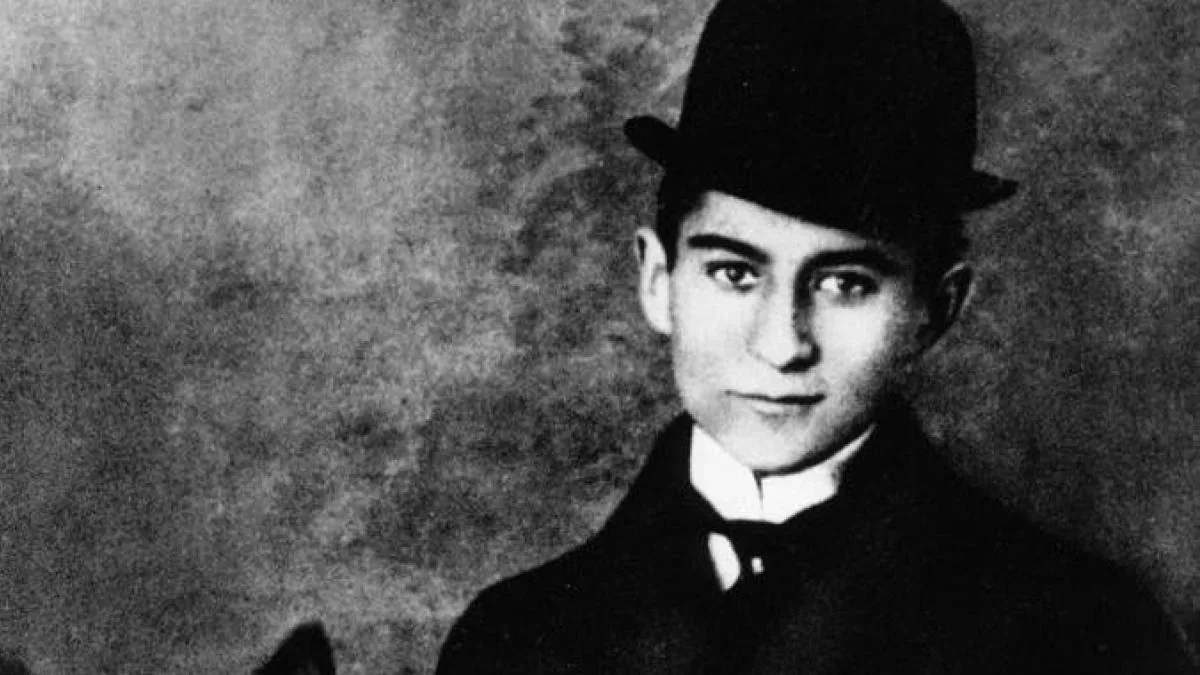
“Welcome to Cannes!” said the head of the prestigious French festival, Thierry Frémaux, yesterday to Javier Ambrossi and Javier Calvo as they climbed the steps of the Palais. Shortly after, Los Javis excitedly took the stage to receive the award for best direction for La bola negra, a distinction they shared with the Polish Pawel Pawlikowski, author of Fatherland, a beautiful and harsh black-and-white portrait of Germany after World War II through the figure of the writer Thomas Mann and his daughter Erika.
Also read
Still not quite believing it and with nerves running high, at the closing gala of the festival they expressed gratitude to the “master” Pedro Almodóvar and their colleague Rodrigo Sorogoyen, who were not awarded in the prize list with Amarga Navidad and El ser querido, respectively. In the year of historic Spanish presence in the official competition section, only these two young and revolutionary directors entered the cinema capital’s pantheon with their second feature film, inspired by the unfinished work of Federico García Lorca and the play La piedra oscura by Alberto Conejero. And they joined their feat with filmmakers of the stature of Luis Buñuel and Almodóvar himself, winners of the best direction award at the Croisette with Los olvidados and Todo sobre mi madre.

La bola negra is an ambitious tribute to Lorca and queer historical memory through the lives of three homosexual men in the last 100 years of Spain’s history. “It is a pain, a fear, a shame, a hatred that we have and that is inherited from generation to generation and that we cannot get rid of inside because it has been put inside us, it has been programmed. I just want the ball to be smaller with each generation and for cinema to help with that,” Ambrossi says of a film that received almost 20 minutes of applause at its official screening last Thursday, becoming one of the festival’s sensations. They, who always came to Cannes to watch the films and then went home, have lived a “dream come true.”
Also read
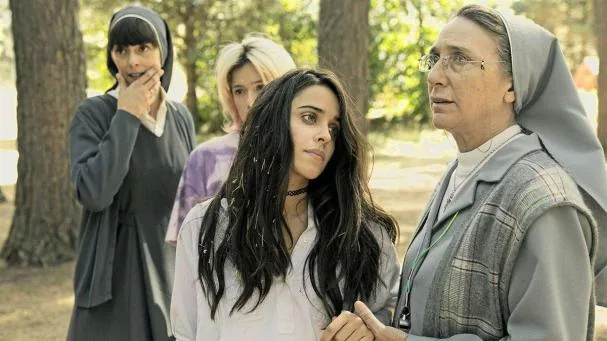
The triumphant success of Los Javis is nothing more than the result of a creative and emotional tandem that began to dazzle with the underground musical La llamada in the lobby of the Teatro Lara in Madrid in 2013. Four years later they brought it to the big screen with a huge success that spoke of faith, first love, the search for identity, and freedom set in a convent camp. The Murcian Calvo, 35, had previously become known for his role as Fer in the TV series Física o química (2008-2011) and the Madrilenian Ambrossi, 41 – brother of actress Macarena García – also made his acting debut in series like Sin tetas no hay paraíso or Cuéntame cómo pasó. They met in 2010 and decided to join forces beyond acting in creating projects as writers and directors of the series Paquita Salas, Veneno, or La mesías, achieving enormous popularity with critics and audiences by telling transgressive, inclusive, and queer stories. Both in their personal and professional lives have always championed the defense of diversity and visibility of the LGTBIQ+ community.
For La bola negra, which will arrive in Spanish theaters on October 2, they have created a work with an ambitious budget – Movistar Plus launched the project with Le Pacte in France and Elástica distributor in Spain – and a cast that includes Guitarricadelafuente, Lola Dueñas, Carlos González, Miguel Bernardeau, Milo Quifes, Penélope Cruz, and Glenn Close. After the spectacular reception of the film in Cannes, Netflix has acquired the rights to distribute it in the United States in a deal valued at about five million dollars, and many believe they will embark on an Oscar race as Oliver Laxe did with Sirat after winning the Jury Prize last year. Regarding a possible leap to Hollywood, Ambrossi states: “When we premiered Veneno there was a wave of proposals from Hollywood and I told them it wasn’t the right time, that we wouldn’t understand each other. Now I do feel capable. This film has given me confidence, not only as a director but as a producer, to be able to do very big things.”
Although both decided to take separate paths personally in 2025, professionally they remain together and are already thinking about their next project, which will be in English and Spanish. For Calvo, the recognition from Cannes is like receiving “words of encouragement.” “It’s like the festival telling us ‘you’re doing well, keep exploring, keep your voice and keep exploring ways to create.” Both are proud of everything they have done so far that has led them to make La bola negra. They believe that without their previous work, they would never have been able to write the phrase “Transvestism is the fantasy of possibility, quite the opposite of war,” which appears in the film spoken by the cupletista played by Cruz, and which has already become very popular.