Bill Galbraith and George Ciampa could never have imagined that the scene of that hell they experienced in June 1944 would be classified, 82 years later, as a World Heritage site. UNESCO had not even been founded yet.
Read more Peace seeps into Russia’s elections
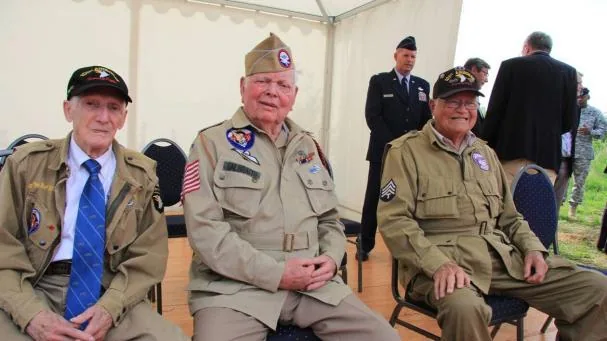
On June 5, 2019, the eve of the 75th anniversary of the Normandy landing, La Vanguardia spoke with both D-Day veterans at the imposing American cemetery in Colleville-sur-Mer, about Omaha Beach. They had arrived a few days earlier from California. Bill was 95 years old and was in a wheelchair. George, a year younger, walked lightly and upright. “After Normandy, all the time has been borrowed; I didn’t think I would come out alive,” confessed Bill, who parachuted in, was seriously wounded, and spent almost three years in a hospital in Scotland.
A call for more visitors
The prestigious UNESCO label will further increase tourist pressure on Normandy
Bill was lucky compared to other comrades. George knew this well, whose unpleasant task, for weeks, was to collect thousands of bodies – both Allied and German – and prepare them for burial. Many of the dead were precisely paratroopers who, by mistake, fell into the sea and drowned.

“We used the parachutes themselves as shrouds,” he told this newspaper. Neither Bill nor George could repeat their emotional transatlantic journey for the 80th anniversary of the military feat. The first passed away in February 2021 (“he made his last jump,” they wrote in his obituary). The second left this world in January 2024, after dedicating himself fully to sharing his experience in World War II. He produced six documentaries.
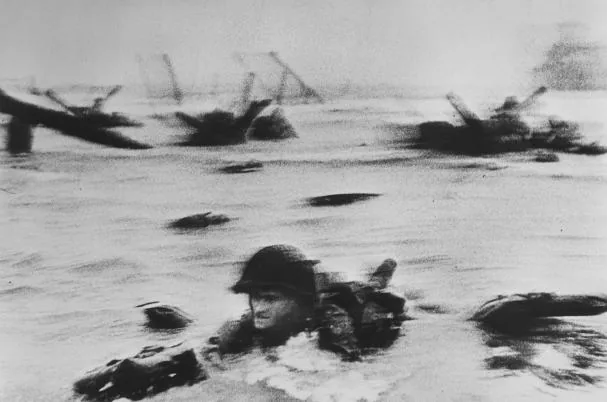
During a meeting in South Korea on July 26, UNESCO – the UN agency for education, science, and culture – decided to include the landing beaches (whose code names were Utah, Omaha, Gold, Juno, and Sword) on the World Heritage list for the historical value they represent in the fight for freedom.
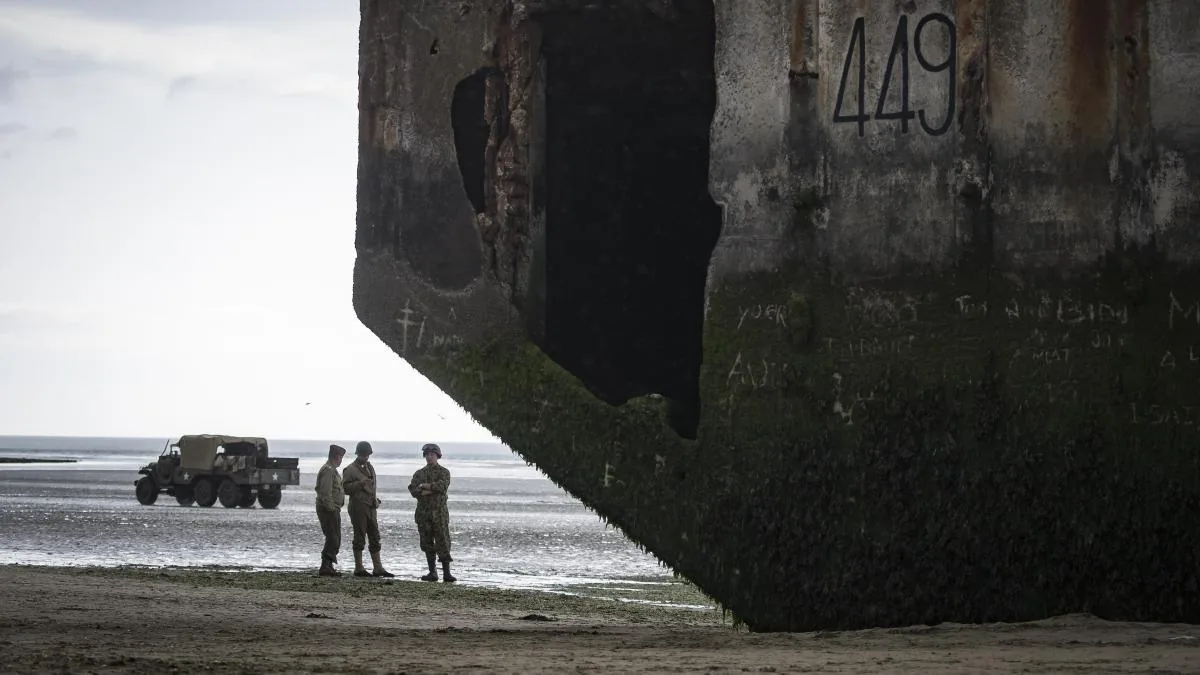
In total, there are 80 kilometers of coastline, with remnants such as the artificial harbor built by the British in Arromanches, casemates, bunkers, and fragments of the Atlantic Wall built by Hitler’s troops.
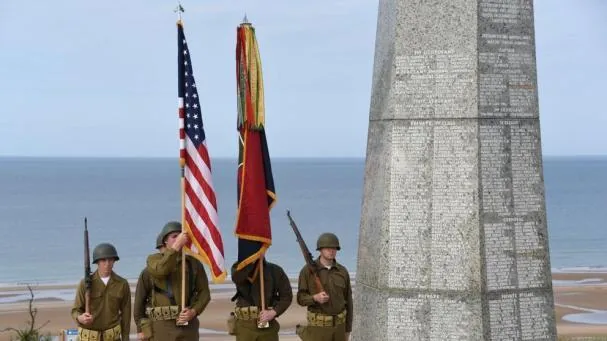
A large inland area has been added to the UNESCO designated area, which includes the cemeteries of fallen soldiers – American, British, Canadian, and also German – and Pointe du Hoc, a cliff where an assault by American special forces on a German position took a high blood toll.
Read more The final decision of Vinícius and Real Madrid tests their loyalty
Also read
For the regional president of Normandy, Hervé Morin, “this is an international recognition of what Normandy has represented since 1944, the legacy of men and women who fought for democracy and freedom.”
Morin also sees the tribute to a “martyred region” as important, since the landing not only meant liberation from the Nazis but also entailed enormous destruction and mortality among the local population due to intense Allied bombings before and after the landing to weaken German defenses.
It was not easy for UNESCO to accept giving such a prestigious label to the beaches. The candidacy lasted many years. There was always debate about the appropriateness of including war sites that involved so much death and suffering in the World Heritage list, as well as the mistrust it could arouse among the defeated.
China and the United States were very upset when UNESCO inscribed the Hiroshima Memorial in 1996. There was then a moratorium on similar cases until 2023. The mayors of the Normandy towns insisted on their request, arguing that the beaches no longer evoke so much war as the peace built in Europe afterward, a situation that the conflict in Ukraine has completely altered, and perhaps that also influenced the decision.
The area listed by UNESCO includes the cemeteries, including the German ones, and the war remnants
UNESCO’s eternal seal will make it even more difficult to reconcile fidelity to history, mass tourism management, and heritage preservation. The area receives several million visitors each year, among whom memory tourism is significant. Museums of all kinds, public and private, proliferate in this territory. On anniversaries, thousands of enthusiasts of the D-Day feat and military paraphernalia come to Normandy from France and other countries, including many British, who wear military uniforms, drive vehicles from the era, and even patrol the beaches with restored jeeps from the 1940s. The danger of tourist oversaturation and Disneyland syndrome is evident. That was not even on Bill and George’s minds in 1944.
Read more Preseason loves