If there is something that writers habitually do, more or less consciously, it is to be aware of what is happening around them. It doesn’t matter if they write historical or contemporary fiction: what they see and experience in the present ends up permeating their texts. That is why it is not surprising that recently several books have been published in which aesthetic pressure and terms like botox, skincare , preventive aging or wellness permeate their pages.
Read more Badell, hematologist: “The first bone marrow transplant was not a failure: leukemia was eradicated”
“You only need to take a walk through the center of any big or small city to see how popular aesthetic touch-up centers have become lately, enter any social network to be bombarded with countless ads for treatments perfectly targeted to your profile and age, or hear here and there from friends worried because their daughters, still children, have asked them to buy cosmetic products clearly unsuitable for their skin,” reflects editor Isabel Obiols, who as soon as she received Leticia Sala’s (Barcelona, 1989) proposal to write about it answered with a resounding yes. “We saw clearly that, despite seeming niche, it was a topic that affects society as a whole and was worth addressing,” she confesses. A year and a bit later, Dame veneno que quiero vivir (Anagrama) arrives in bookstores, where the “excessive” fear of aging of the new generations is analyzed.
I studied whether it was just my circle or if, as I suspected, this went beyond it. The data proved me right”
The Barcelona author explains to La Vanguardia that the idea to write about it arose from her own relationship and that of her environment with the mirror. “I studied whether it was just my circle or if, as I suspected, this went beyond it. The data proved me right, since, as I quote in my essay, the increase in aesthetic touch-ups in recent years is considerable, especially among the youngest,” which leads her to use terms born on social networks, such as Sephora Kids to refer to minors who regularly use cosmetics.
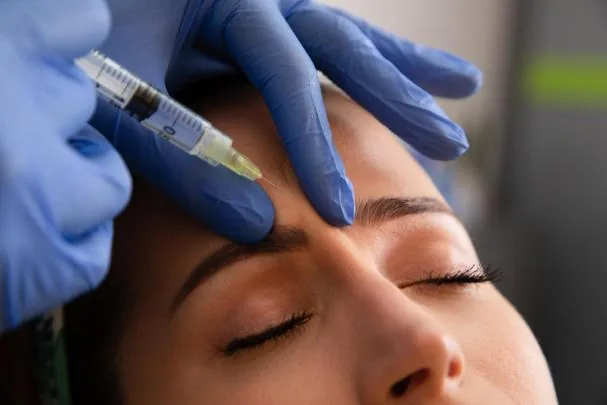
Sala’s book is not the only one of this style currently found in bookstores. The Barcelona author herself is convinced that this renewed interest in the pursuit of beauty, with or without aesthetic touch-ups, has increased since the pandemic, as “being locked down made us be in contact with our own image. The use of social networks also increased, and therefore, filters. Many teenagers then did not recognize themselves in their photos after using them so much,” laments the writer.
Studies on Google Trends prove her right, since between 2016 and 2024, the search for the word botox, for example, increased by 98%, with a notable growth from 2020 onwards. Similar percentages were reached by the words retinol or skincare .
Read more The beer that promises to revolutionize your microbiota already exists (and it’s Spanish)
The recent essay by Naief Yehya (Mexico City, 1963), Sobre la belleza. Entre la Venus y el Cíborg (Alpha Decay), is another example of volumes that address this topic from a contemporary perspective. “The book is a look at the uses and illusions of beauty from prehistoric Venuses to Instagram culture. In the era of networks, beauty becomes a distressing problem that women carry on their laptops. Women of all ages, but mainly the youngest, live comparing themselves with spectacular beauties (real and manufactured) due to the algorithmic designs of the media megacorporations (Meta, X, Google) and their ambition to retain visits and monetize interactions, even if it costs some users their lives.”
Undoubtedly this reality, added to the concerns she had from her first essay, El cuerpo transformado (2001), led her to start this project which, as her editor Julia Echevarría previews, is referenced in the new exhibition El culto a la belleza, which opens today at the CCCB and will run until November 8.
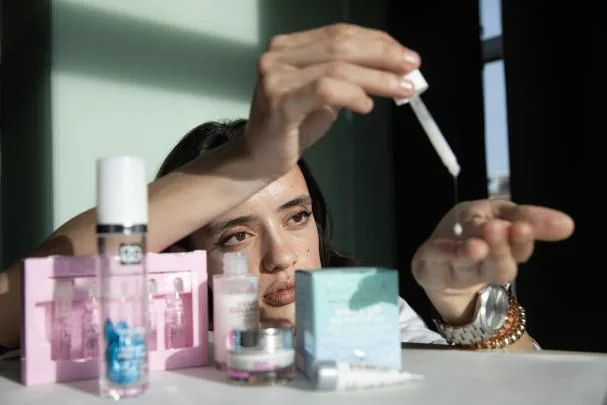
Another example of the renewed preference for this theme which, as Echevarría insists, “is also present in fiction,” such as Soy fan (Alpha Decay), by Sheena Patel, “where the oppression of patriarchy is evidenced”; Desfile (Libros del Asteroide / Les Hores), by Rachel Cusk, which indirectly and philosophically points out the discomfort of being a woman within power systems; or La mala costumbre (Seix Barral), by Alana S. Portero which, although it does not illustrate the beauty culture as such, contains a profound critique of social surveillance over appearance.
It is surely no coincidence that it was in 2023, in the midst of the effervescence of this small literary niche, when No me gusta mi cuello (Libros del Asteroide/L’Altra), by Nora Ephron, was translated into Spanish and Catalan: “Creams that promise miracles do not manage to make neck wrinkles disappear,” the writer and filmmaker already warned then. Undoubtedly, a pioneer.
Read more The anteater cub “Womble” gets used to its new environment