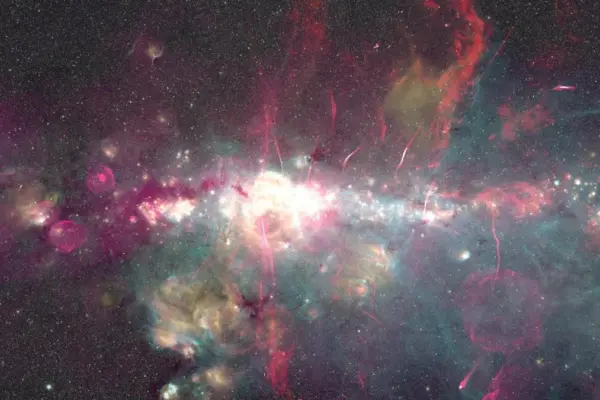
Sugar detected for the first time in interstellar space

Sugar detected for the first time in interstellar space

Long before the Earth existed and the first living beings began to populate it, the universe was already capable of producing some of the molecules that, billions of years later, would become part of the chemistry of life on our planet. This is the main conclusion of an international study led by the Center for Astrobiology (CAB-CSIC/INTA), in Torrejón de Ardoz, with extensive participation from Spanish institutions and collaboration from research centers in the Netherlands, Italy, Germany, and the United States.

Read More
The new Ebola epidemic in DR Congo will be one of the worst in history

The new Ebola epidemic in DR Congo will be one of the worst in history

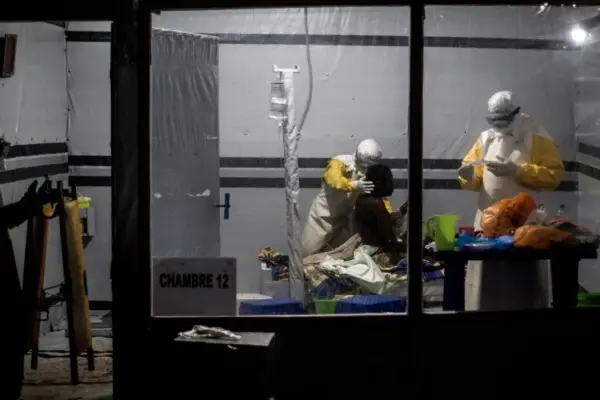
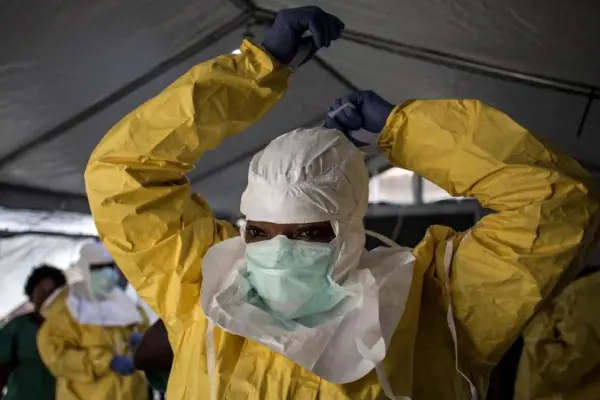
The Ebola epidemic that has started in the Iturbe province, in the northeast of the Democratic Republic of Congo, will not be like the previous ones. Only 36 hours after the first cases were known, the World Health Organization (WHO) declared it a Public Health Emergency of International Concern, the highest level of alert that the WHO can declare. Three reasons explain why this epidemic is on track to become the second largest in history: the spread of cases, the region’s difficulty in responding, and the species of virus involved.

Read More
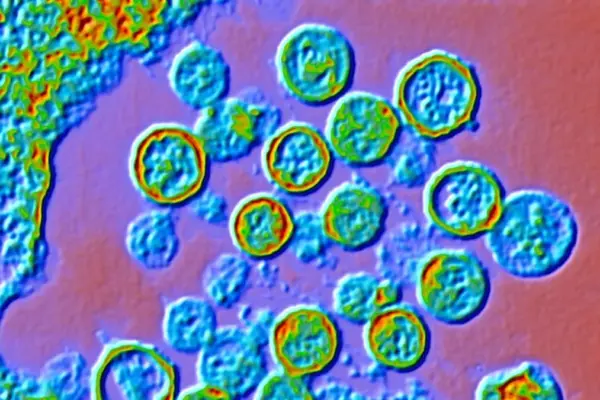
The mysteries of the hantavirus that has caused a deadly outbreak on a cruise ship

The mysteries of the hantavirus that has caused a deadly outbreak on a cruise ship

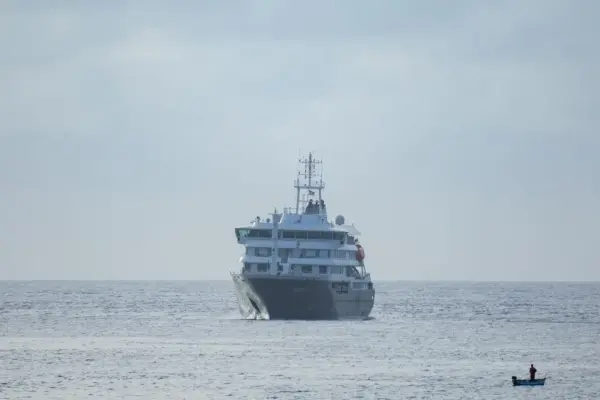
At least three people have died and three others are seriously ill due to an outbreak of a hantavirus recorded on a cruise in the Atlantic, the World Health Organization (WHO) has reported. The infection has been confirmed in one of the deceased and is suspected in the others who have fallen ill. It is exceptional for hantaviruses to be transmitted between people, and there is no precedent for hantavirus outbreaks with multiple cases on cruises.

Read More
Núria López, chemist: “They asked me to appear in the photos ‘so that it was seen that there was a woman’”

Núria López, chemist: “They asked me to appear in the photos ‘so that it was seen that there was a woman’”

For chemist Núria López, being in the top 1% of the most cited scientists in the world according to the latest Clarivate ranking is not a destination but the result of a sustained trajectory at the elite level of research. Her career is marked by intuitions and the idea of turning problems into resources. This logic now guides her work at the Institut Català d’Investigació Química (ICIQ) in Tarragona, where she seeks to convert CO₂ into fuel and close the carbon cycle.

Read More