Do you have questions about nutrition? Send them to comer@lavanguardia.es, our nutritionist Aitor Sánchez will answer all your questions.
Read more Drug thieves: assault on the Riudarenes plantation
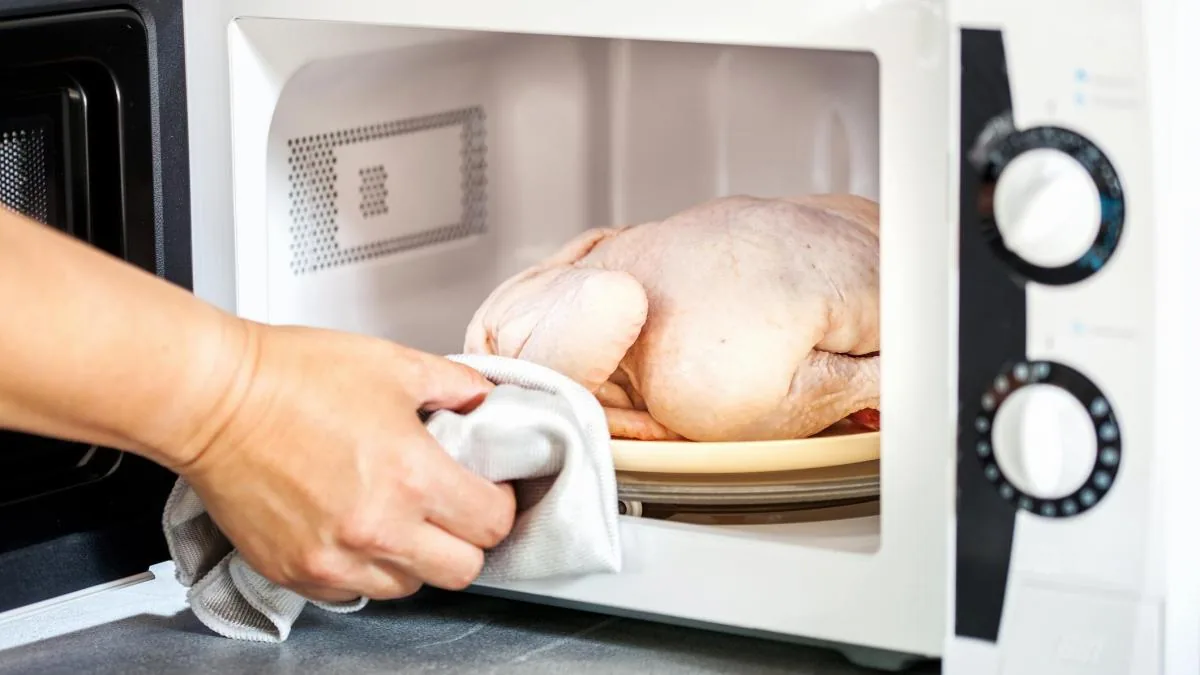
Is it safe to defrost food directly on the kitchen marble? (Pablo Ronda, reader)
No, it is not the most advisable. Defrosting food, especially meat and fish, directly on marble, the countertop, or at room temperature is one of the culinary practices that carries the highest risk of food poisoning. The reason is that we would be in a danger range, which is between 5°C and 65°C. At these temperatures, pathogenic bacteria such as salmonella, E coli, or listeria multiply exponentially (potentially doubling their population every 20 minutes).
When you leave frozen food on the marble, the outer surface thaws first and heats up quickly, reaching room temperature. While the center of the food remains frozen, the outer layer becomes an ideal breeding ground for microorganisms.
In addition, kitchen countertops and marble, no matter how clean or cool they may seem, can harbor bacteria or transfer them to food, promoting cross-contamination.
The only three safe ways to defrost food, and therefore those recommended by AESAN are:
– In the refrigerator: this is the best way. Although it requires planning (it usually takes about 24 hours), the food is always kept at a constant and safe temperature (below 4°C). Much better if you do it in a tupperware to avoid drips from leaching.
– In the microwave: using the specific defrost function and cooking the food immediately afterward.
– As part of cooking: cooking the food directly from its frozen state (ideal for vegetables, thin burgers, or prepared dishes).
Read more Stanley Kubrick’s Secret Ritual Orgy
Read also
What is best to eat just before exercising on a very muggy day? (Laura González, reader)
When you train on a very muggy day (high temperature and humidity), your body must increase the effort involved in that training: supplying energy to the muscles and working to cool down through sweat. This is one of the reasons why we lose performance in summer. Therefore, the meal before exercise should be very light, easy to digest, and rich in water and mineral salts.
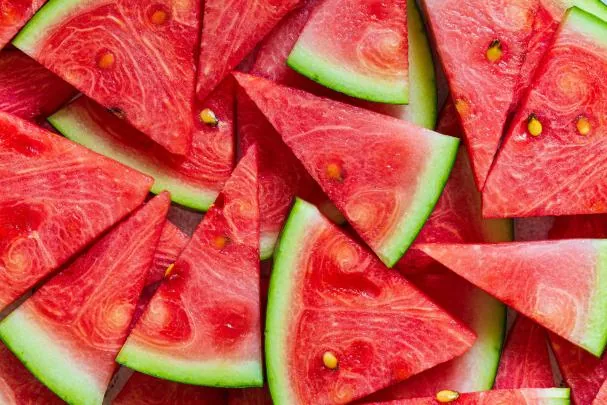
Ideally, consume fast-absorbing carbohydrates with a low glycemic load, accompanied by foods with a high water content. One of the best options is fresh fruit, such as watermelon or melon, which provide easily assimilated sugars, potassium, and a large amount of water. Other excellent alternatives are a vegetable yogurt with a handful of blueberries, or a slice of white bread with a little quince paste or jam. However, try to avoid eating it right before. At least 20-30 minutes. If you haven’t had the opportunity to plan ahead, and it will be something you eat directly as you walk out the door, we could even choose a juice or isotonic drink.
On very muggy days, there are things we should avoid in the hours leading up to training:
Avoid an excess of fats and an excess of fiber: fatty foods (nuts, avocado, oils, as well as, of course, pastries or cookies) and whole foods slow down digestion. With heat, blood flow is diverted to the skin to cool the body, so heavy digestion can cause indigestion, nausea, or stomach cramps.
Do not eat just before training: eat at least 1 hour before starting, allowing time for the stomach to empty, unless it is a small snack.
Finally, remember that the nutritional strategy is useless without good prior hydration. Drinking water in small sips from the hours before and ensuring a touch of salt in the day’s meals will help you retain the necessary fluids to combat heatstroke.
Remember to bring water to continue drinking during exercise and, if it is going to be prolonged, an isotonic drink.
Read more Health redefines nutrition: Danone’s recipe to anticipate and lead new trends