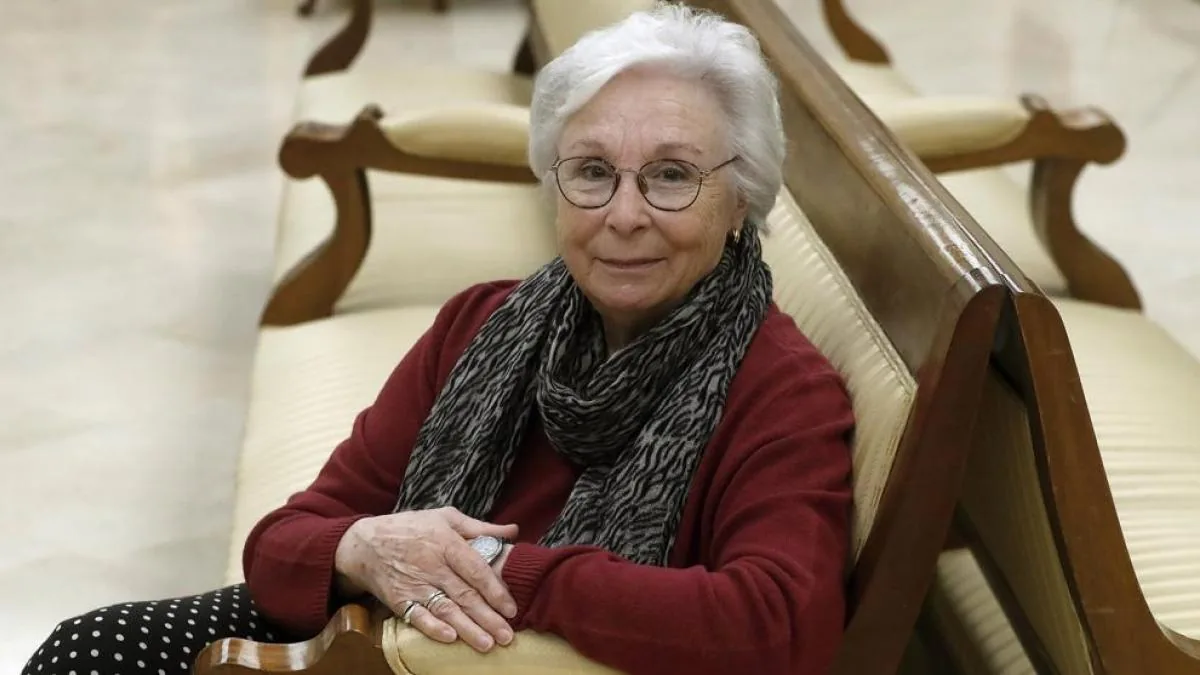
Josefina Molina (Córdoba, 1936), director of works such as Función de noche, Esquilache or the series Teresa de Jesús, dedicated a good part of her life to demonstrating that the female perspective was not an exception in the history of cinema, but an essential part of it. A pioneer of Spanish audiovisual, the first woman to graduate in Directing from the Official Film School and the first filmmaker to receive the Honorary Goya, she turned each project into a claim for female freedom to tell their own stories. “To see the world in relief you have to have two eyes and Humanity has been one-eyed for too long,” Molina stated. The sentence ended up becoming the best summary of a life dedicated to broadening the perspective of cinema. The director passed away this Saturday in Madrid at the age of 89. The wake will take place at the Boadilla del Monte funeral home from 4:00 p.m.
Read more Edgar Morin: always be young
“To see the world in relief you have to have two eyes and Humanity has been one-eyed for too long”
Josefina Molina
Filmmaker
With her death, one of the decisive figures of Spanish culture in the second half of the 20th century disappears. Film and theater director, screenwriter, television director, novelist, and activist for equality in audiovisual media, Molina paved the way in an industry dominated almost exclusively by men and left a body of work marked by complex, independent female characters far from the stereotypes of her time.
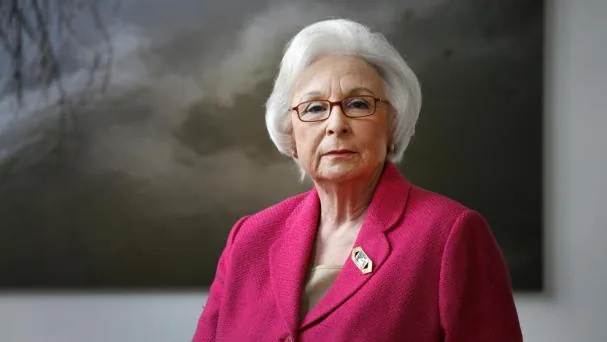
Born in Córdoba just a few weeks after the outbreak of the Civil War, she soon discovered her passion for stories. Literature accompanied her from adolescence, but it was cinema that ended up marking her destiny. At barely fifteen years old, she was fascinated after seeing The River, by Jean Renoir. From then on, she began a search that led her to found a theater company, participate in film discussions, and collaborate on radio programs where she already addressed issues related to women and culture.
Her true revolution began at the Official Film School. There she directed short films starring women far from the usual stereotypes of the time, works that were received with skepticism by some professors. Even so, in 1969 she became the first woman to graduate in the Directing specialty of the EOC.
Also read
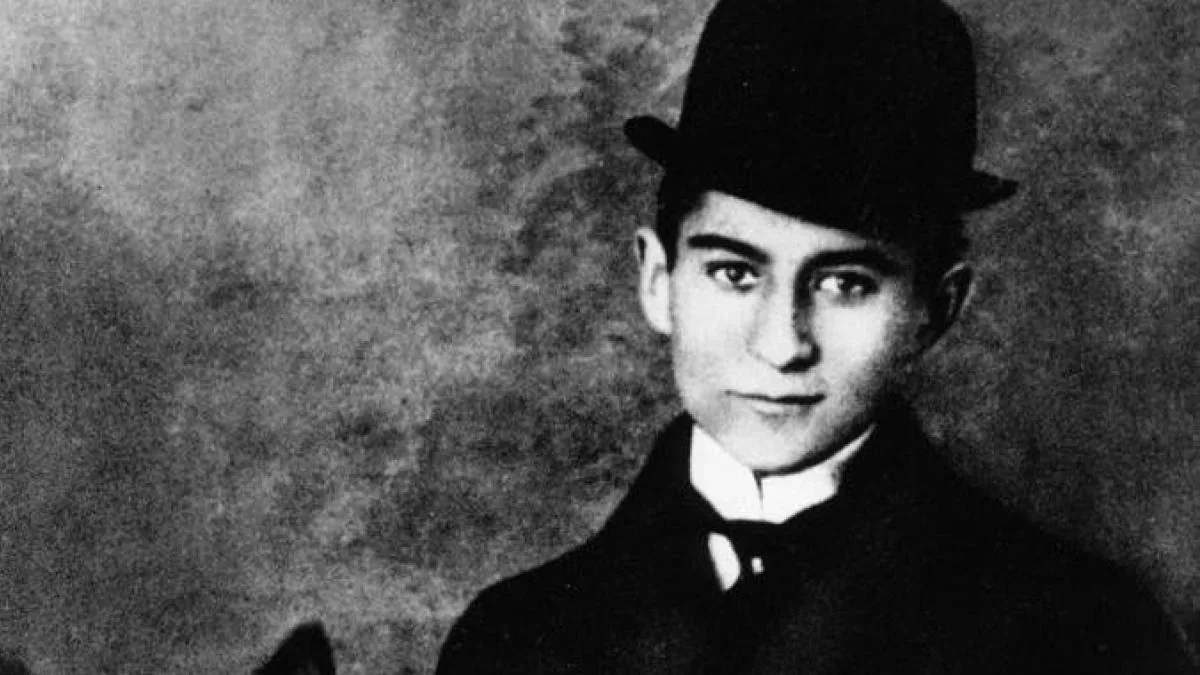
While studying, she worked at Spanish Television. In 1968 she directed an adaptation of The Metamorphosis, by Kafka, and soon established herself as one of the most prestigious directors of La 2. From that stage came titles such as El camino, based on the novel by Miguel Delibes, and Teresa de Jesús, the series starring Concha Velasco that offered an unprecedented view of the saint, more human, complex, and free from traditional molds.
Read more Edgar Morin dies, French sociologist and philosopher, at 104 years old
She debuted in feature films with Vera, un cuento cruel and gained recognition with Esquilache, a production that received twelve Goya Award nominations. However, the work that best condensed her perspective was Función de noche (1981), a film halfway between fiction and documentary, in which Lola Herrera and Daniel Dicenta faced the ghosts of their broken marriage in front of the camera. “In my films, there is always a female character who fights against oppression,” Molina explained.
In 2006 she promoted the creation of the Association of Women Filmmakers and Audiovisual Media, an organization of which she was honorary president and which became a reference for several generations of professionals.
She received the National Cinematography Award, the Gold Medal for Merit in Fine Arts, and in 2012, she became the first woman to receive the Honorary Goya Award. She accepted it as a collective award and dedicated it to all those female filmmakers who had not had the same opportunities. She was also the first female director of the Royal Academy of Fine Arts of San Fernando and a trustee of the Film Academy Foundation.
Read more The King praises the “effort and brilliance” of Princess Leonor’s military career