






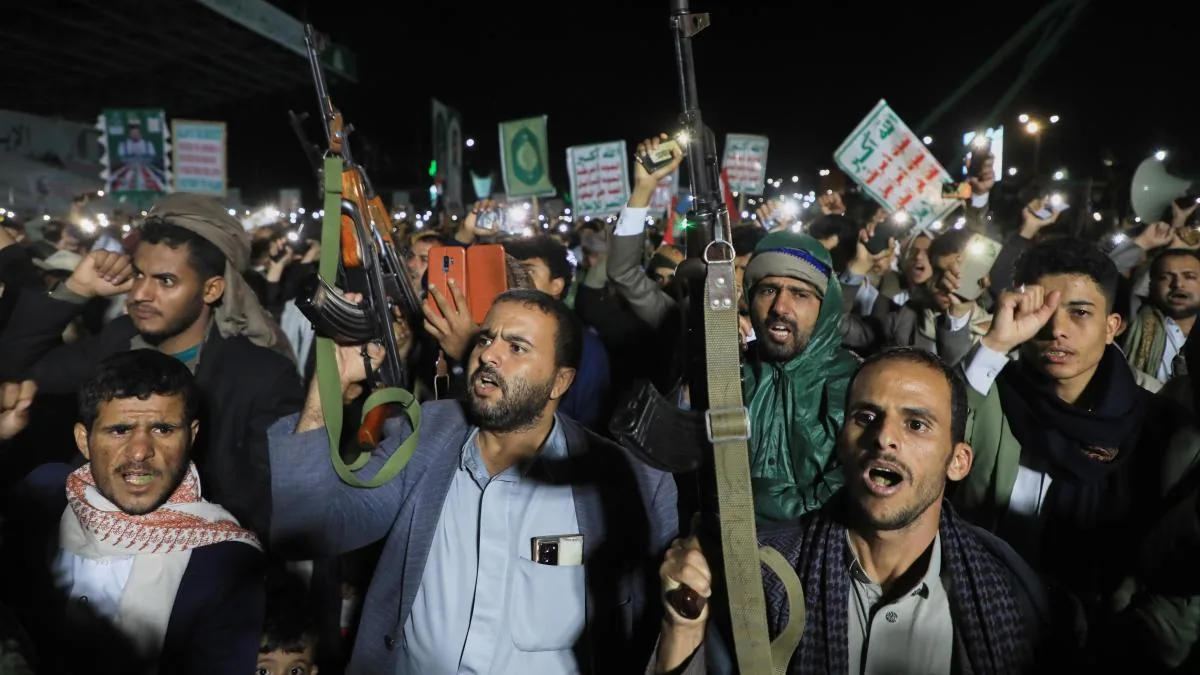
The dizzying advance of the Houthi guerrilla on the coast of Yemen in the Red Sea, and the temporary closure of the East-West pipeline on the Arabian Peninsula, threaten to strangle Saudi Arabia’s oil export capacity, the world’s leading producer, and further complicate the situation of a conflict that intensifies as the mid-term elections in the U.S. approach.
Read more Are we once again on the threshold of World War I?
In just 48 hours, the Houthis, engaged in a long civil war with the Yemeni government, have taken two key positions for control of the strategic Bab el-Mandeb strait, which separates the waters of the Gulf of Aden from those of the Red Sea.
The capture of the city of Mocha—whose name recalls the historical genesis of the first global coffee market—and the island of Mayun (also called Perim), gives this Shiite guerrilla practical control over an essential point in global maritime traffic, the gateway to the Suez Canal.
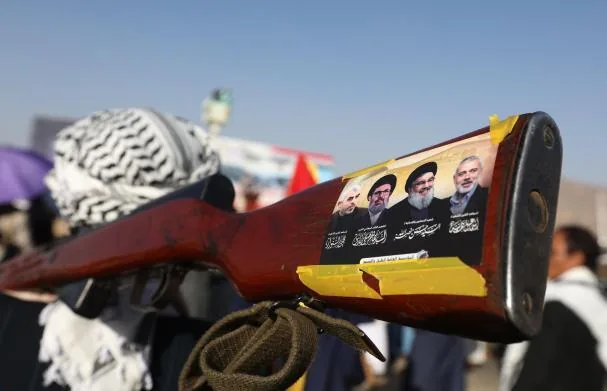
Between 10 and 15% of global maritime traffic passes through the Red Sea, 60% less after the Yemeni guerrilla began launching missiles and drones against containers from Western countries in 2023 in solidarity with the Palestinians of Gaza and in coordination with the interests of Iran, a country that finances and arms these militias. The only alternative to passing through this strait requires circumnavigating the African continent via the Cape of Good Hope, which means 6,000 kilometers more of navigation and an additional 10 to 14 days.
The move further complicates Trump’s situation in the region in a war he does not control
Control of Bab el-Mandeb is an invaluable card that the Tehran regime will play in the conflict it faces with the United States and Israel and the tug of war it maintains with the Gulf oil monarchies. With the Strait of Hormuz in a more than precarious transit situation, Iran now gains even greater leverage over its opponents.
The Houthi advances also put Saudi Arabia, the world’s leading oil producer that had recently avoided the Iranian lockdown on Hormuz through its ports on the Red Sea, in serious trouble. For this, it used the East-West pipeline, which runs through 1,200 kilometers of pipeline. However, on Friday, the pipeline was the target of a drone attack on its western part, in the Hejaz region, forcing the Arab monarchy to close it temporarily.
Read more Traveler, the path is no longer made by walking
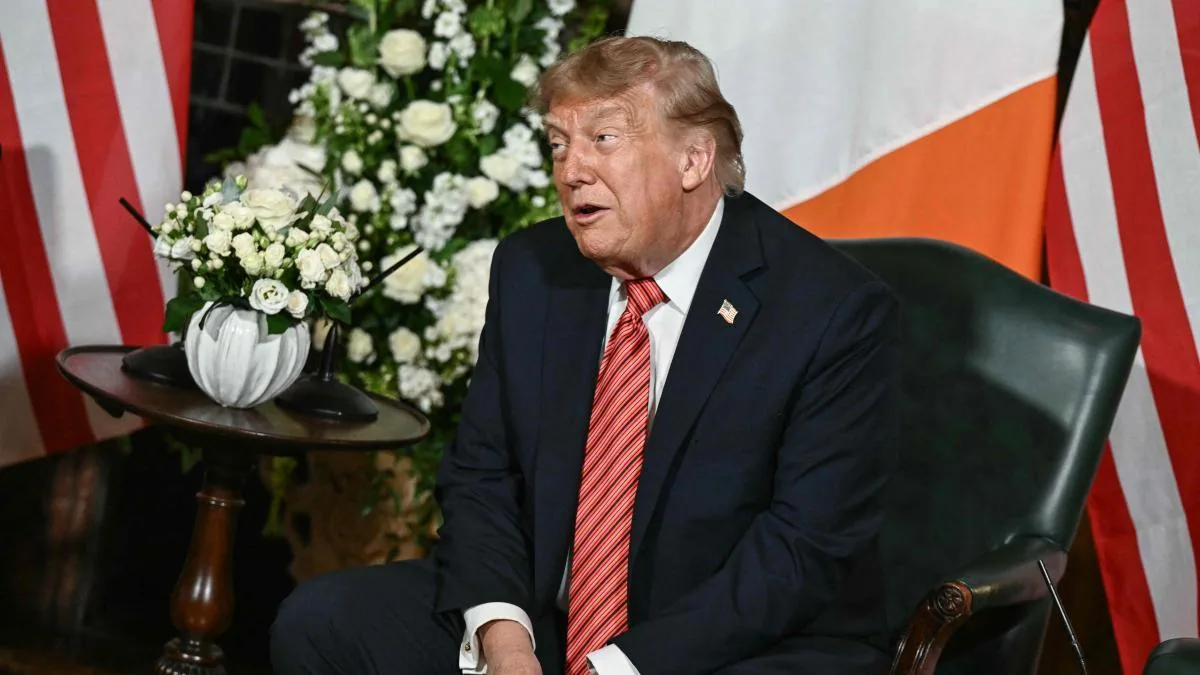
Saudi Arabia’s situation is critical. On Thursday, it was revealed through the Axios portal that Saudi Prince Mohammed Bin Salman had called Donald Trump twice to launch attacks on the Houthis, a request that was rejected. On Saturday, in Ireland, when asked about it, Trump said he had spoken with representatives of the Shiite guerrilla who asked him not to intervene, to which the president had agreed. “Everything will be wonderful,” concluded the U.S. president at a press conference with Irish Prime Minister Micheal Martin.
This week, it also emerged that Pakistan was considering air strikes on Houthi positions in aid of Saudi Arabia. This would be the first implementation on the ground of what both countries, along with Turkey, signed in August. If Pakistan participates in the fighting, it would mark a new chapter in the escalation of this regional conflict.
U.S. restricts protection hours for oil tankers transiting the Strait of Hormuz
As soon as the Houthi advances on the coast of Yemen became known on Friday, oil prices rose above $104. However, the U.S. president publicly downplays the situation.
On Saturday, it was revealed that the U.S. military in the area has reduced protection for oil tankers wanting to cross the Strait of Hormuz through the Omani zone to two very specific time slots. According to Financial Times, the U.S. military has been providing protection to tankers venturing to cross the Strait since May. The news reveals Washington’s difficulties in the area.
Read more How to reverse the severe attention crisis revealed by PISA