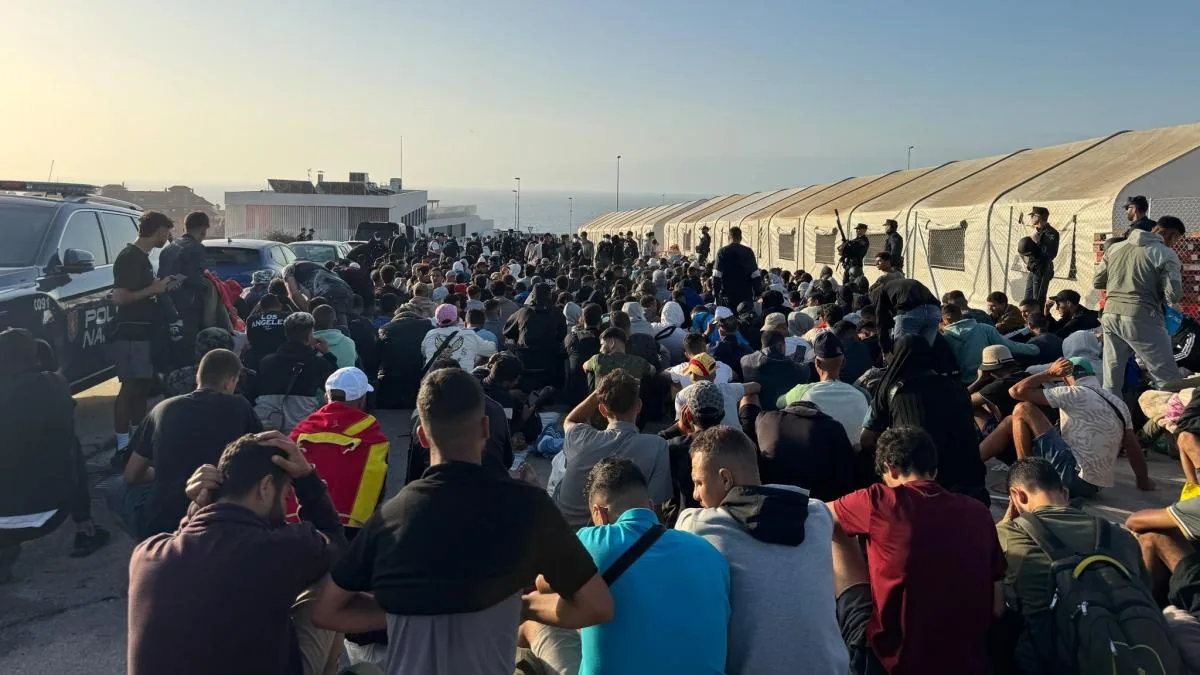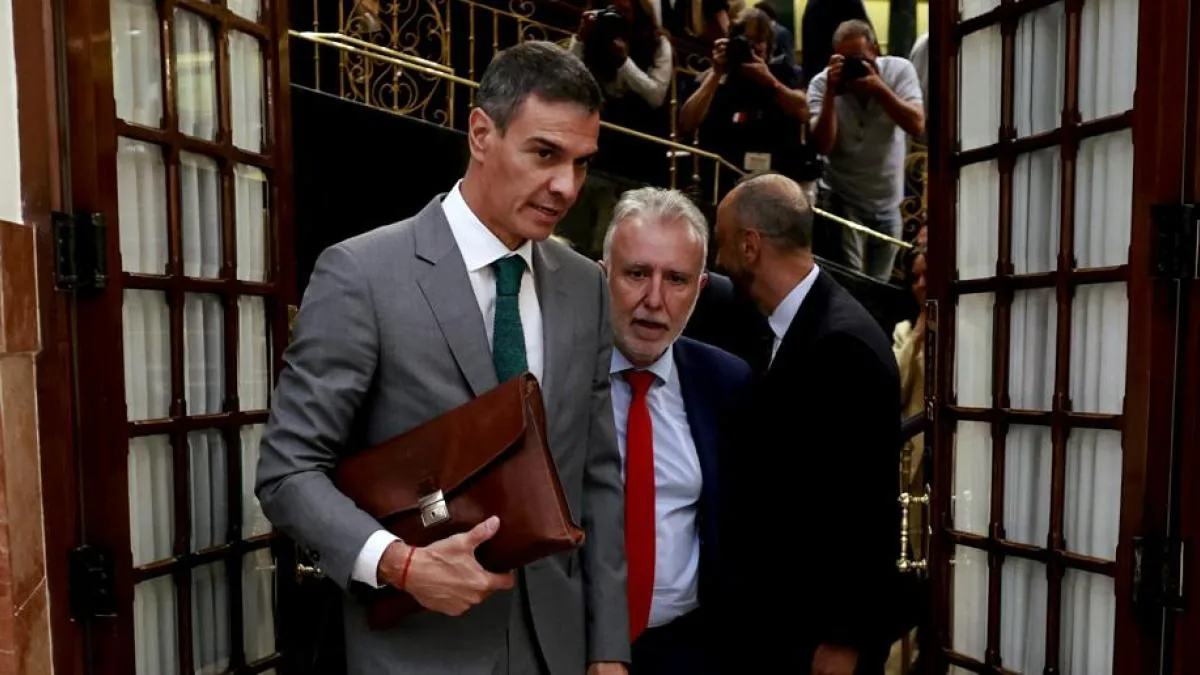




“They are two people he trusts the most and bets on equally,” they warn at Moncloa. They take it for granted that Pedro Sánchez, already in the final stretch of his current term, will not do without Margarita Robles or Fernando Grande-Marlaska, despite the constant disagreements between them since, more than eight years ago, the two magistrates coincided in the Council of Ministers. These discrepancies escalated this week with the declassification of the reports on the Ceuta crisis.
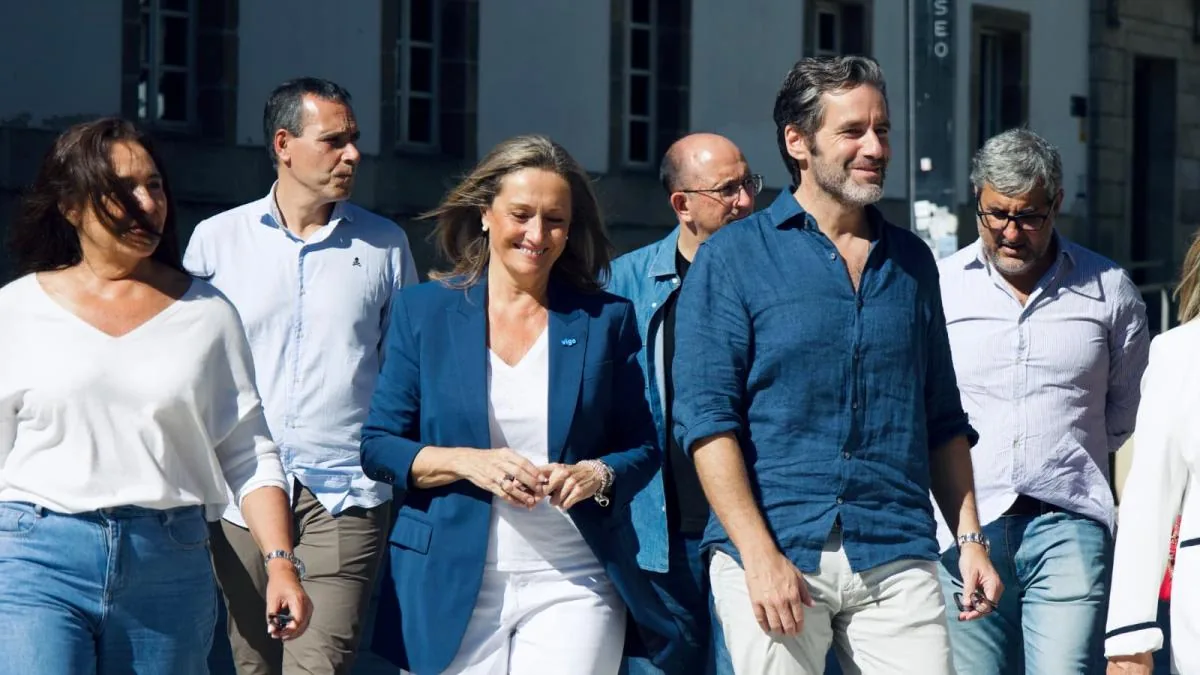
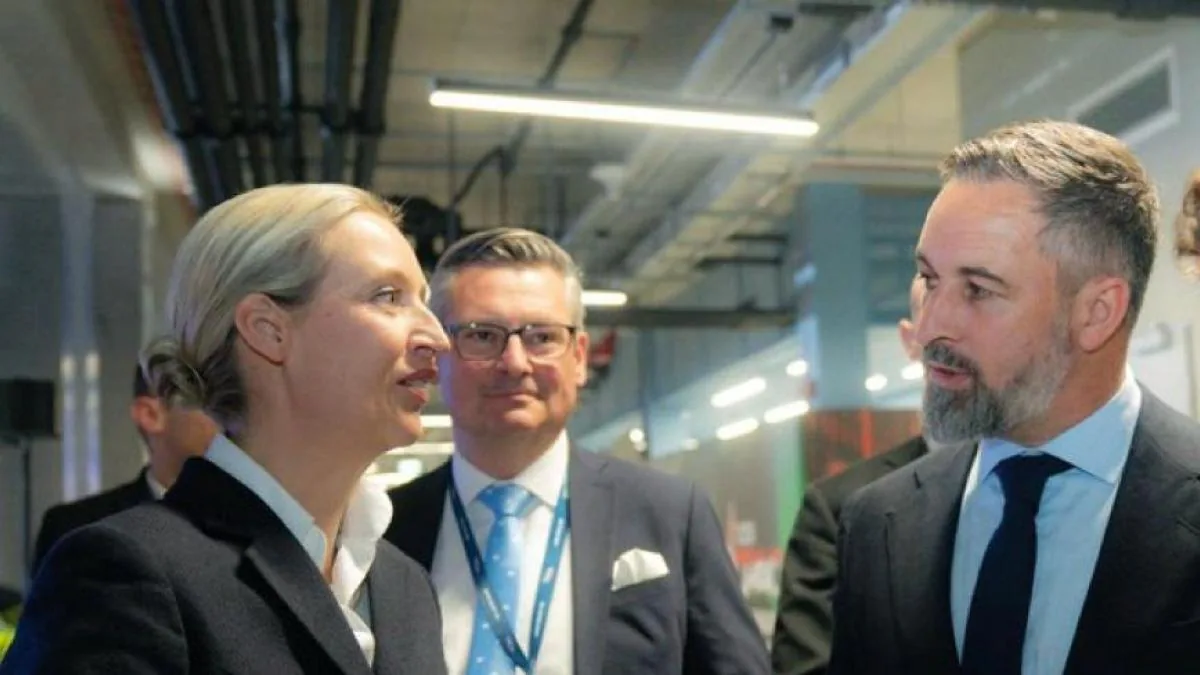
Read more Feijóo and Abascal take advantage of the Ceuta crisis to strengthen their relationship
“By making all the documents public, it is evident that, although it is the most complex and gray-filled version, the reality is that both what Robles said and what Marlaska said were compatible,” they argue at Moncloa. Although each, they admit, swept for their own side in their respective versions, apparently contradictory, about the prior alerts to the avalanche of immigrants in Ceuta on July 30 and 31.
The Executive points out that “Robles always defended her own and never wanted to question the work of the CNI.” “She said there were warnings of the migratory alert, which was true, but what there never was was a CNI alert that could show its magnitude,” they emphasize. The Defense Minister did not want to leave the intelligence service “exposed.” Marlaska, on the other hand, “always said there was never an alert that predicted the magnitude of the catastrophe.”
“Different opinions are what make the Government greater,” argues the Defense Minister
The same position as Pedro Sánchez, therefore. “But what the president will never do is question Robles, because the minister did not want to cross the line of selling out her own, and it is very understandable,” they point out at Moncloa.
Robles and Marlaska have similarities: both come from the judicial career, do not have a PSOE card, and are the only ministers who – along with the Minister of Agriculture, Luis Planas – have remained in office since the first Government Sánchez formed in June 2018.
But the disagreements between the Defense and Interior ministers surfaced from the very beginning, due to competence issues: Robles took command of the CNI and appointed the also magistrate Félix Azón as director general of the Civil Guard without consulting, as Marlaska later did by placing the socialist leader María Gámez at the head of the armed institute. The frictions have followed in these more than eight years, but the Ceuta crisis again raised the tension.
Read more The point of view of Vox
The head of the Executive does not give up two of his oldest ministers: “He bets equally on them”
Faced with the acceleration of disputes, after the Council of Ministers approved on Tuesday the declassification of the documents on the immigrant avalanche in Ceuta, and they were made public this Wednesday, Sánchez himself had to act and, already at night, tried to put an end to the standoff between Robles and Marlaska, without it seeming that there were “winners and losers” in this struggle, according to some leaders’ interpretation.
The president closed the dispute: he assured that the CNI did not issue a “major alert” about the magnitude of what was coming. But he justified it: “It is understandable because, with the information that existed then, no one could anticipate the migratory crisis that occurred. No competent body did. Neither in Spain nor in the EU.”
Sánchez never wanted to give up Robles or Marlaska, despite having numerous opportunities in the successive government crises he undertook that claimed more politically significant pieces. And almost everyone thinks that now, in the final stretch of the legislature, he will not either.
At Moncloa, despite the tension, they admit that “Robles did not want to sell out her own, and it is very understandable”
This internal clash, however, not only feeds the opposition strategy of the PP and Vox, and again drives the parliamentary partners of the investiture to despair in a term that many already see as exhausted, but it is considered “incomprehensible” even among PSOE leaders. And not only critics, like Emiliano García-Page, who calls the management of this crisis by the Government a “disaster.” “I don’t understand anything,” admitted a member of the Ferraz leadership in the midst of the internal brawl, on Wednesday afternoon, after the dissemination of statements from Moncloa and the CNI, and the appearance of the Government delegate in Ceuta, Miguel Ángel Pérez Triano, until Sánchez tried to stop the spiral of tension. The anger skyrocketed and some in the PSOE leadership even bet on “firing both.” Robles and Marlaska.
After the storm, efforts are being made for the waters to gradually return to their course. “Different opinions are what make the Government greater,” argues Minister Robles, who defends unity in the Executive and avoids confrontation: “You will not find me in controversies.” Marlaska, meanwhile, refuses to resign: “Why? There is no reason.”
Read more Six edges of the Ceuta crisis that will have repercussions