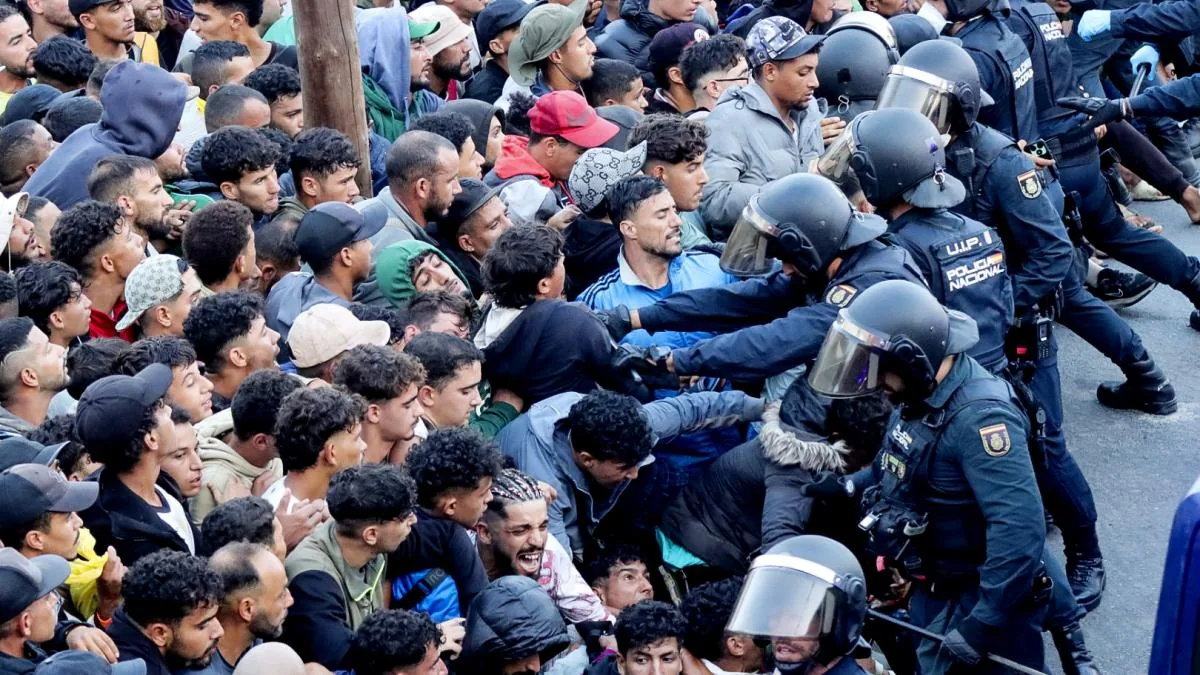
The Government of Pedro Sánchez makes a move. After Italy rejected the Spanish ultimatum regarding controls at its borders for Spanish citizens – in response to the Ceuta crisis, during which more than 72,000 immigrants entered irregularly a week ago – the Executive will respond in kind. From midnight tonight, Spain will establish controls at the borders of ports and airports for travel coming from the Italian Republic. In Moncloa, they say this is due to the “persistent irregular migratory pressure suffered by the transalpine country.”
Read more The Community of Madrid puts the Chamberí penthouse up for sale for 6.69 million euros
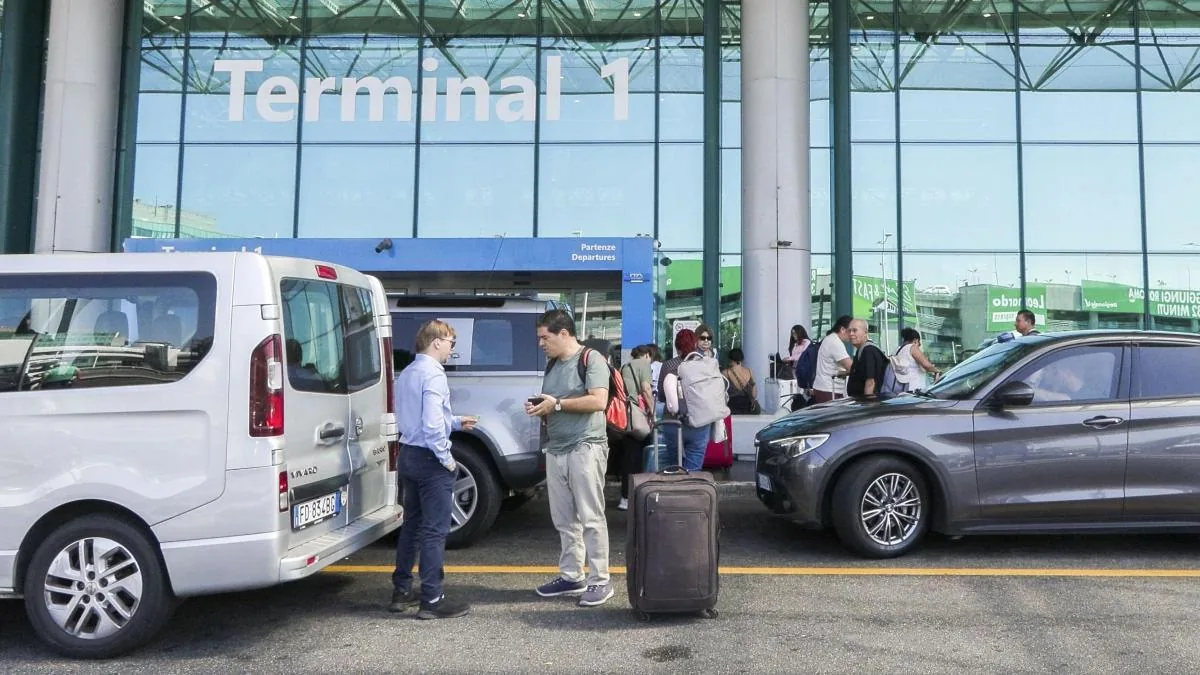
According to sources from the Ministry of the Interior, border controls will be operational from this Saturday, August 8. They will consist of identity (passport) and nationality checks of travelers. In the case of third-country nationals coming from Italy, a visa or residence permit will be required. According to ministerial sources, the airports most affected, due to higher traffic with Italy, are: Madrid, Barcelona, Málaga, Seville, Valencia, Alicante, Palma de Mallorca, and Ibiza. Regarding ports, all Mediterranean ones receiving cruise routes such as Barcelona, Valencia, Ibiza, or Mallorca.
Also read
The Government will implement these measures at ports and airports, which receive thousands of Italian tourists daily in the middle of summer, and they will be in effect until 00:00 hours on September 7, unless “a change in the circumstances that motivated the decision advises modifying that deadline.”
The controls will be in effect until 00:00 hours on September 7
This morning the Government issued an ultimatum, arguing that Meloni’s decision was affecting the mobility of thousands of passengers, as well as generating legal uncertainty during the peak summer period. Moncloa criticized that the “unprecedented” measure had been adopted “without prior notice.” But above all, for what they called “spurious arguments,” since none of the people who accessed Ceuta could or can freely enter the Schengen area because the autonomous city of Ceuta has a special regime within it.
Read more Barça and City negotiate the signing of Rodri in good spirits
The Government went on the offensive, arguing that Italy is, according to Frontex, the Member State that has registered the most irregular crossings in recent years, with figures that have even doubled those of Spain. And despite this, Spain has never introduced controls for Italy. In fact, they explained through a statement, “it has always shown solidarity with it, hosting part of the migrants who arrived in Lampedusa in 2023 and repeatedly opening its ports to migrants rescued on the central Mediterranean route.
Sánchez’s ultimatum took the Italian Government by surprise. At the Chigi Palace, no one expected such a harsh reaction from Madrid and the confusion was notable. Through another official statement, Italy rejected any “ultimatum or external imposition,” although it insisted on the willingness to maintain collaboration with Spain, which it defined as “a friendly country.” In the same statement, Rome set a specific date — August 15 — to review the measure, instead of maintaining the initial horizon of August 31, which was read as a sign that the crisis could begin to be resolved. All this, before Sánchez responded with the same argument, escalating the diplomatic crisis.
Read more Adif installs sensors in Trinitat Vella to monitor construction vibrations