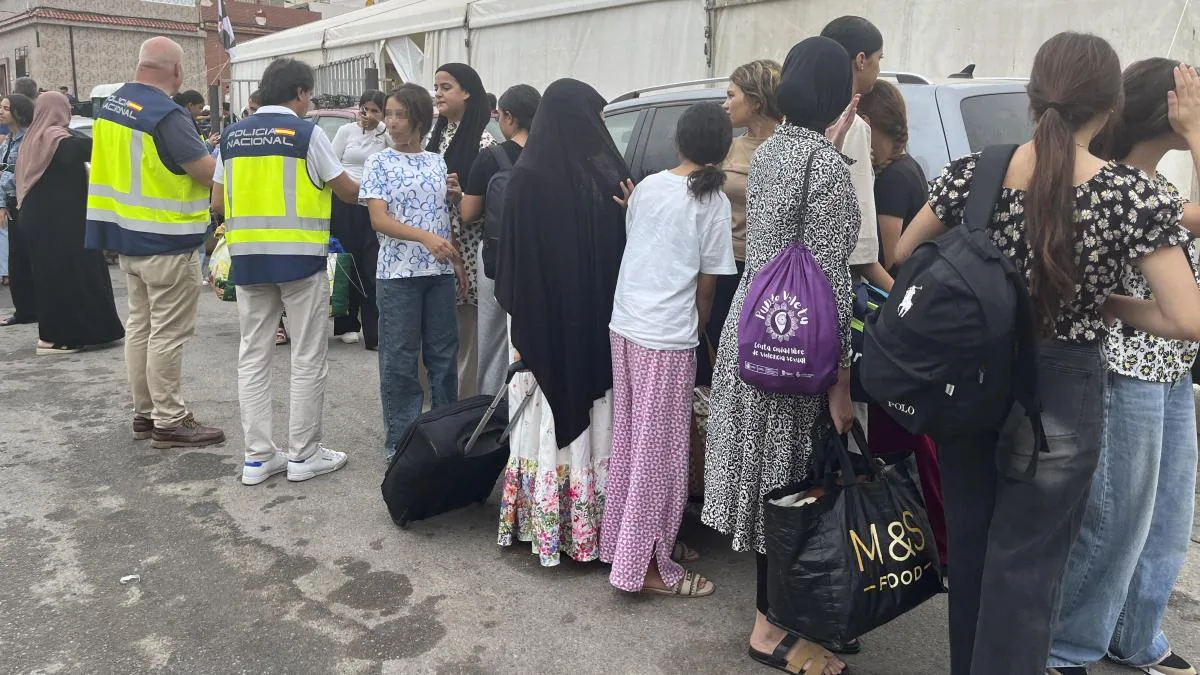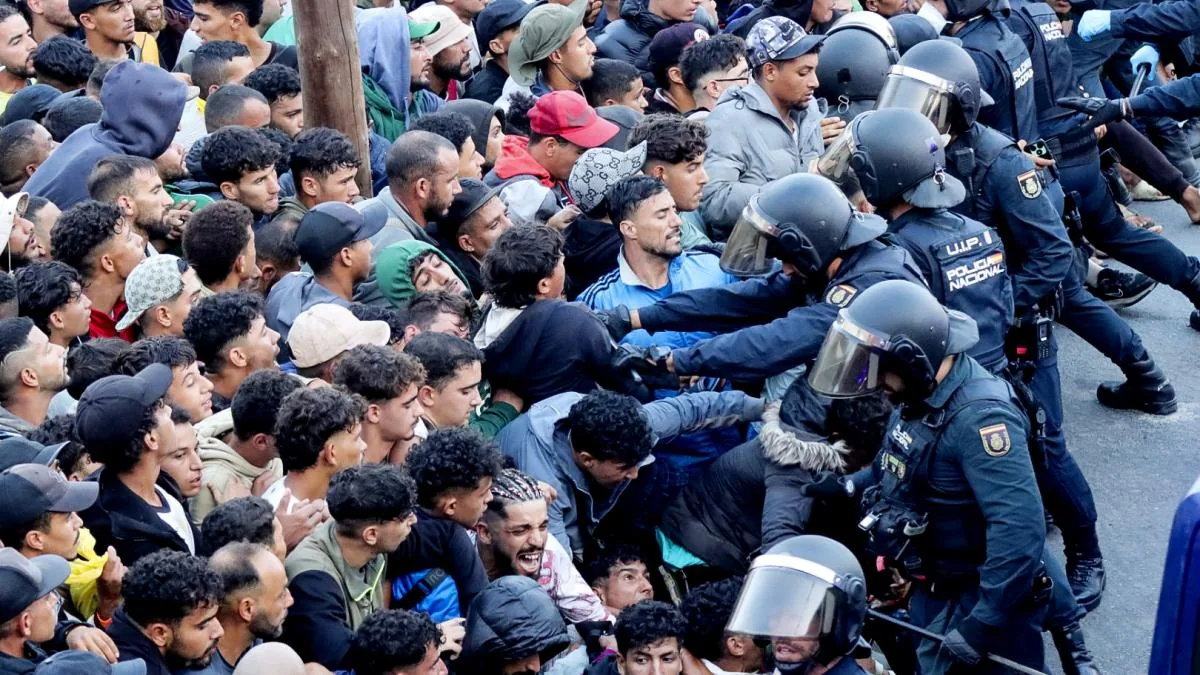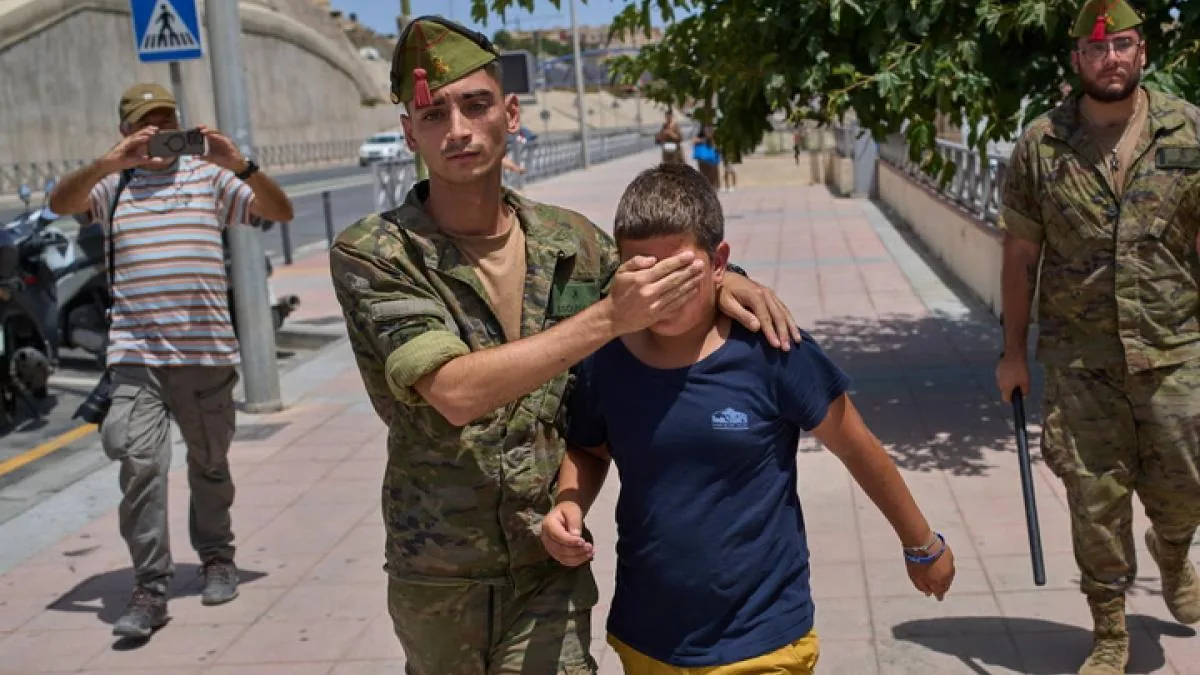
One week after the massive entry of migrants into Ceuta, authorities and NGOs are working to identify the minors who remain in the autonomous city, many of them on the street and without shelter, at the mercy of the help they receive from organizations, administrations, and neighbors, who have also organized to collaborate.
Read more What do we do with the minors of Ceuta?
While the political battle unfolds along the lines of distributing them among the communities, on the other side of the Strait there is more uncertainty than certainty and no clear figures to help quantify and anticipate.
The Ministry of Youth and Childhood indicated that it is considering several avenues under the Immigration Law, including “family reunification as long as there are relatives in their countries of origin and it is confirmed that the conditions guarantee the best interests of the minor.” But also “binding and supportive reception by the other communities” or “the possibility of establishing agreements with NGOs, foundations, and entities dedicated to the protection of minors.” Sources from the Ministry led by Sira Rego assured that in each case, individually, they would choose the appropriate path.
Faced with a situation of collapse and saturation, with all centers enabled for the reception of minors and migrants overwhelmed, and awaiting the temporary opening of two educational centers, the entities play a fundamental role in this entire process.
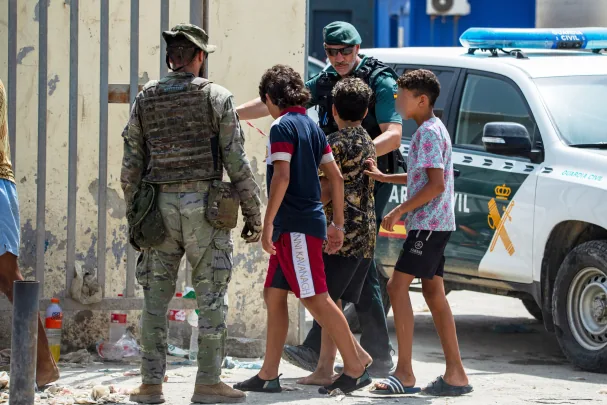
Beyond logistical and health support, the Red Cross also works “closely with authorities to gather all available information that supports the restoration of family ties” and to “assist in the processes of registering personal data.”
Sur Acoge details that it also collaborates “in the identification and protection of children and adolescents who have arrived alone in Ceuta.” “Once identified, we accompany them to the police station for their registration and, subsequently, so that they come under the guardianship of the autonomous city’s protection system,” which holds the responsibilities,” explains a spokesperson who emphasizes that “there are still hundreds of minors unidentified.”
The Government foresees the reunification of children with their parents in their countries of origin whenever possible
Although Sur Acoge does not want to make estimates, as that task corresponds to the administration, they do emphasize that “it is evident that there are thousands of people on the street.” Its president believes that ideally minors should return to their families whenever possible.
Read more Robles, Marlaska, Bolaños and Albares will appear in Congress at the end of August over Ceuta
At the hospital, where 17 people remain admitted, tests have also been conducted to determine the age of those attended to who raised doubts.
Regarding the figures, not even the authorities agree on how many people remain in Ceuta one week later or on the number of people who died at sea. The central government has spoken in recent days of about 2,500 people still in the city, including about 500 minors, and 82 deceased, while the local government estimated about 6,000 people – more than 860 registered minors – and more than 100 deceased, a number closer to that given by the entities. The Government delegate in Ceuta, Miguel Ángel Pérez Triano, pointed out yesterday that the figures are “changing” and admitted that there are families with children sleeping on the street.
The entities working on the ground speak of more than 4,000 unaccompanied minors
The neighborhood association of Príncipe Alfonso organized an unofficial count of minors and migrants in recent hours and left it, unfinished, with 4,860 records. Most of them are minors between 15 and 17 years old, although there were also children between 11 and 13 years old, according to reports.
For its part, Caminando Fronteras speaks of more than 140 deceased and Save the Children counted yesterday the unaccompanied minors on the streets of Ceuta between 4,000 and 6,000. This NGO sends an alert message about the situation of girls who are now outside the protection system, in a situation of special vulnerability and at risk of sexual assault or falling into trafficking networks.
On the other side of the border, according to Efe, Castillejos has returned to normal during this tourist season, although relatives of the missing gather – with varying luck – to try to obtain some clue about the whereabouts of their children. In response to this situation, the Government has opened a missing persons office and announced yesterday that it has registered 32 complaints and is already working to identify 29 people through DNA samples.
Likewise, an additional contingent of the Civil Guard will remain deployed on the streets of Ceuta with about a hundred uniformed officers. On the other hand, the Armed Institute, along with the National Police as well as Frontex and Europol, remain on alert for the risk of a new avalanche of migrants in the coming days.
Read more The Mossos arrest the alleged perpetrator of the Nou Barris homicide