The Royal House knew that Pedro Sánchez would announce this Thursday in the Congress of Deputies that Felipe VI will travel to Ceuta “in the coming weeks.” According to sources consulted by La Vanguardia, the Zarzuela had been previously informed of the Prime Minister’s intention to make the visit public, after several days of conflicting versions between the Government and the Royal House about a trip that has become one of the political issues at the start of this term.
Read more Illa meets in Kiev with the President of Ukraine Volodymyr Zelensky
That the Zarzuela knew about this announcement from the president beforehand, however, does not mean that the trip is finalized. Sources consulted by this newspaper assure that, for the moment, there is no set date for the King to travel to the autonomous city and that the organization of the visit is not yet underway. The commitment exists, but there is not yet a trip on the table.
During his speech in the Congress of Deputies, the president assured this morning that the King will visit Ceuta “in the coming weeks” to “convey the absolute commitment of the State” to the two autonomous cities of Ceuta and Melilla, a statement with which the Government tries to close a controversy that has been following the Prime Minister for several days.
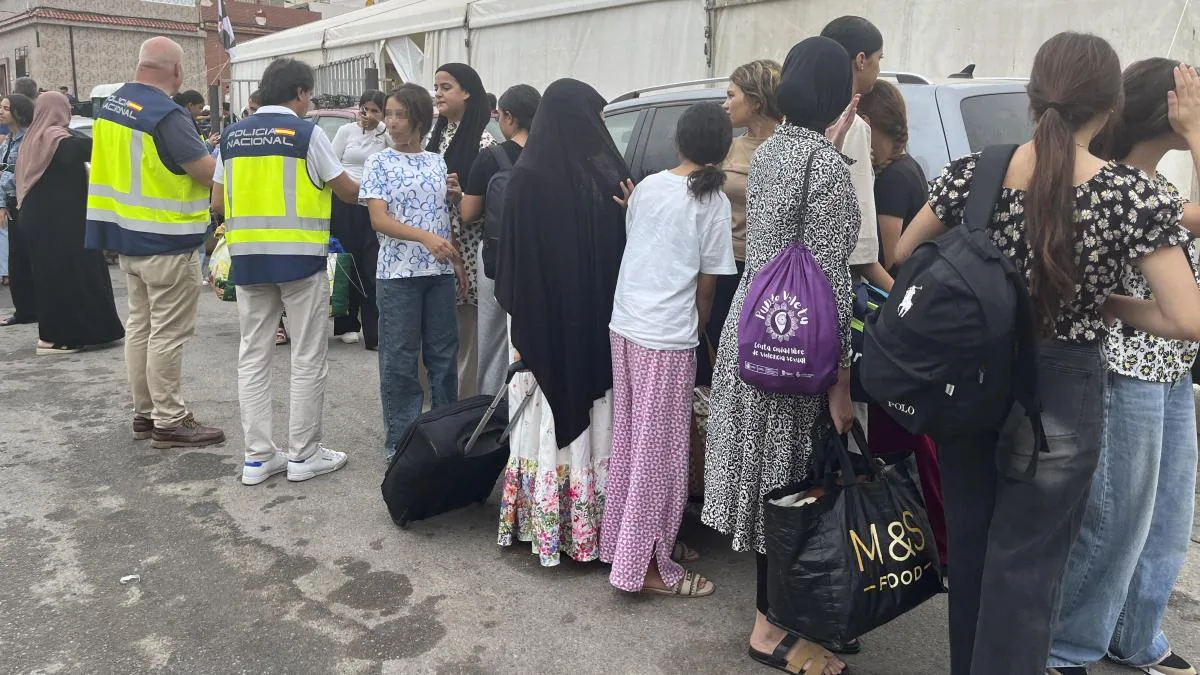
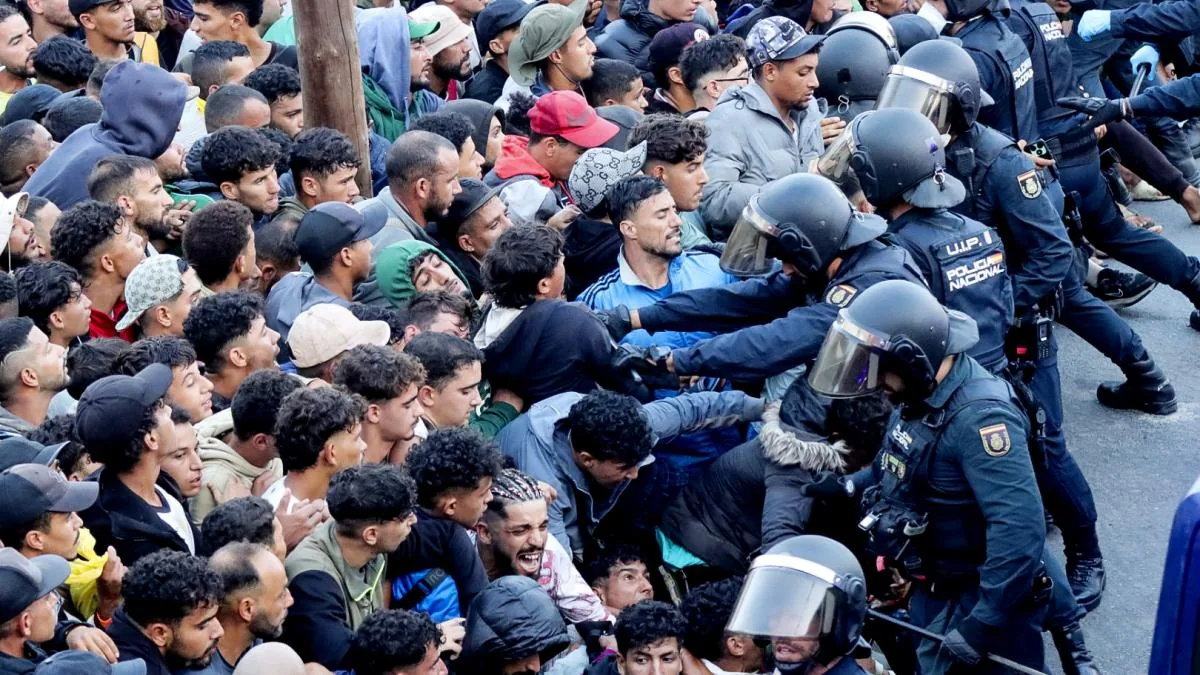
Felipe VI’s visit to Ceuta has been in the works throughout the last month of the migration crisis after the president of the autonomous city, Juan Jesús Vivas, left the Marivent Palace at the beginning of August with the Monarch’s “personal commitment” to travel there. Since then, it seemed that the trip was a fact, although the Government did not comment on it and, without the Executive’s endorsement, there can be no visit.
The controversy over the trip escalated on Monday, when Sánchez recalled in an interview on Cadena Ser that the King had not visited Ceuta for 20 years. His words were interpreted by the opposition as an attempt to shift the responsibility to the head of State for not having traveled to the autonomous city until now. The Government spokesperson, Elma Saiz, clarified the next day that the president had not made any reproach to Felipe VI and had merely “stated a reality.”
Moncloa has denied throughout the week that there is any impediment on the part of the Executive and has attributed the controversy to a “false controversy” fueled by the political and media right. The Government’s argument is that the last visit of Juan Carlos I and Queen Sofía to Ceuta took place in 2007 and that Felipe VI has not traveled there since he ascended the throne in 2014, a period during which both PP and PSOE governments have succeeded each other.
Read more Return to the Wolf Ravine
Until this Thursday’s announcement, the Executive had avoided stating that the King will travel to Ceuta and Melilla. It limited itself to guaranteeing that the visit would take place, assured that relations with Zarzuela were “excellent,” and defended that it was not the Government’s role to “set the King’s agenda.” Sources consulted by La Vanguardia maintained, on the other hand, that Don Felipe is very eager to travel to both Ceuta and Melilla and was waiting for the Government’s approval to be able to do so.
Sánchez’s announcement now introduces a time frame for the Head of State’s trip, although preparations have not yet begun. This novelty, therefore, maintains a certain distance between the political calendar expressed by the president and the current state of the visit.
So far, Felipe VI has visited all the autonomous communities since his proclamation, but has never traveled to Ceuta or Melilla. His presence there would not only have the institutional component of support for two Spanish cities but also an inevitable diplomatic reading due to Morocco’s claims over both territories.
This circumstance explains the caution with which this trip has traditionally been handled, which, if it finally takes place in the coming weeks as Sánchez has announced, will have a different dimension from other trips by the King in emergency situations. His presence would mean a reaffirmation of the Spanishness of Ceuta and Melilla, which will likely provoke a reaction from Rabat.
While the visit is being finalized, the King has sought other ways to convey his support to the city. Yesterday, he spoke by phone with Juan Jesús Vivas and the Royal House later posted on X a message of “unity” addressed to “our city,” accompanied by an image of the flags of Ceuta, Spain, and the European Union.
Read more Treasury plans to approve the reform of regional financing despite Madrid’s boycott