There are first dates that start with a coffee, a drink, or a light conversation about travel, work, or music. And there are others that, within minutes, have already entered a traumatic breakup, a complicated childhood, grief, a toxic relationship, or an emotional wound still open. This tendency to suddenly share very intimate or painful information before there is real trust is known as floodlighting.
Read more The judge of the National Court gathers data on the causes of the 79 deaths in Ceuta
The term has become popular on social media and in conversations about relationships, especially among younger people, to describe a form of emotional openness that can be confused with vulnerability. The difference lies in the pace. Being vulnerable means showing oneself honestly, but also doing so gradually, safely, and reciprocally. Floodlighting, on the other hand, sometimes works like a spotlight that is too strong: it suddenly illuminates very sensitive areas of personal life when the relationship still lacks enough structure to support them.
It is positive to talk about emotions and mental health, but we have started to associate vulnerability with a quick way to generate connection
Andrea Vicente
Psychologist

Psychologist and couples therapist Andrea Vicente explains that this dynamic responds to several social changes in recent years. “We have normalized talking about emotions and mental health, which is very positive. However, at the same time, we have also started to associate vulnerability with a quick way to generate connection,” she points out. Many people feel that if they show their wounds or most difficult experiences from the start, the other person will truly know them and the bond will be more authentic.
The problem, according to the specialist, is that intimacy does not depend only on how much is revealed, but on the security built over time. “Trust and emotional closeness do not depend solely on how much we reveal about ourselves, but on the security and consistency built over time,” Vicente notes.
‘Floodlighting’: why we share our traumas on first dates
The rise of dating apps, therapy culture, discourses on emotional responsibility, and the mandate to “be honest” from the first minute have changed the way people relate. Today many people arrive at a first date feeling they must clarify everything, show everything, and verbalize everything as soon as possible: their fears, wounds, traumas, expectations, and even their emotional patterns.
This transparency can be healthy when it helps to communicate better. But it can also become a way to accelerate processes that need time. Instead of letting the bond develop naturally, there is an attempt to provoke an intense connection through an emotional confession. Much is shared to see if the other person stays, understands, validates, or accepts.
Also read
Vicente identifies several needs behind floodlighting: connection, validation, authenticity, and fear of rejection. “Sharing something very intimate can make us feel that the other person sees us, understands us, and accepts us,” she explains. In other cases, the person seeks to know as soon as possible if their wounds will be received without judgment. There may also be a legitimate desire not to build superficial relationships. But authenticity, the therapist insists, needs to be accompanied by an appropriate pace.
“Talking about a trauma, a breakup, or a very painful experience does not mean there is yet a solid relationship,” she reminds. “Intimacy is not only about sharing personal information but about verifying that the other person responds with respect, coherence, and care consistently over time.”
The generation that wants clarity but lives among ambiguous bonds
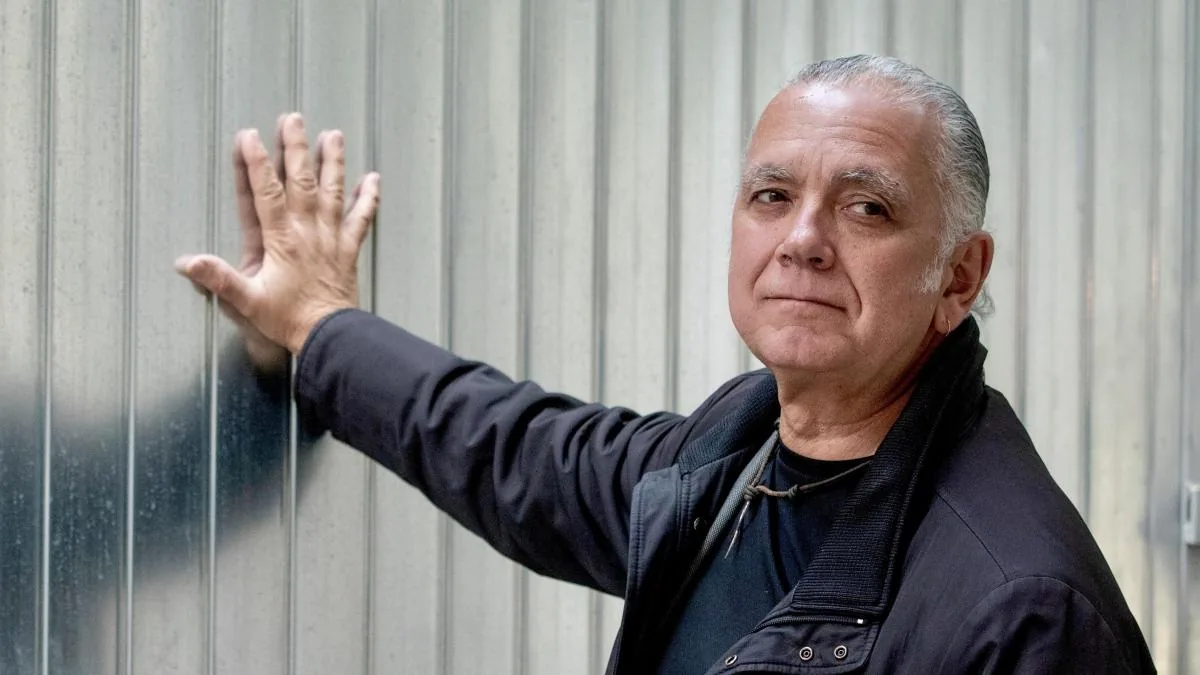
Content creator Diego Rincón, known on social media as @diegonister and with 600,000 followers, has connected especially with Generation Z by talking about love, dating, and relationships with humor but also with criticism of certain current dynamics. One of the words he uses most is “flow,” that concept that in many relationships is presented as an invitation not to force anything, although sometimes it hides a lack of clarity.
“I use the word flow a lot because I think it connects a lot with our reality, that of young people: the idea that everything comes without effort, when often it is not like that, especially in love,” Rincón explains. For him, when someone asks to “flow,” it can sound like detachment. “There are people, like me, who with that intensity cannot flow. It doesn’t come naturally. We tend to be direct, get excited quickly, or think we want to get married right away,” he adds.
His content resonates because it portrays a very present contradiction: a generation that talks more than ever about emotions, boundaries, and emotional responsibility, but at the same time lives with undefined bonds, intense conversations without commitment, and relationships where emotional intimacy is demanded without offering clarity.
Rincón believes one of the most repeated dynamics is fear of commitment. “You never know if you are doing well by betting all your emotions or by trusting someone with your most vulnerable part,” he states. “We have all had good and bad experiences, but usually, we learn to protect ourselves before learning to trust again.”
In that context, floodlighting can work as a shortcut. If everything is uncertain, if no one wants to define too much, if conversations drag on for weeks on WhatsApp before meeting in person, sharing something very intimate can seem like a way to skip stages and generate an immediate connection. But that connection is not always real.
Social media and the feeling that there is nothing left to discover
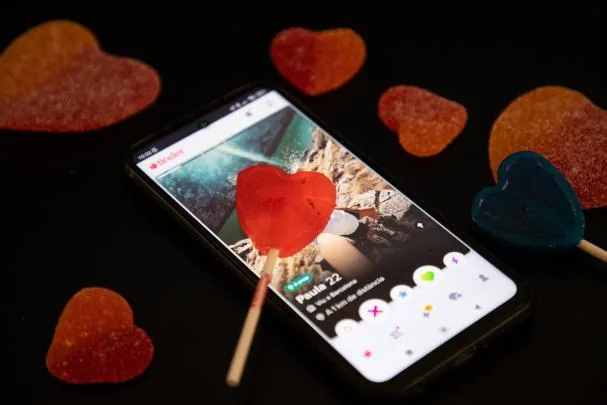
Social media has also altered the timing of intimacy. Before, getting to know someone involved gradually discovering their story, tastes, contradictions, and wounds. Now, often before a first date, their photos, videos, opinions, travels, friendships, and part of their daily life have already been seen.
“With social media, there is less and less left to discover about a person. In one way or another, we tell almost everything,” Rincón reflects. “And if you have also been talking by messages all day for weeks, when you finally see each other face to face, it may happen that you have nothing left to tell each other. And that is very boring.”
This acceleration creates a paradox: it seems we know a lot about someone, but in reality, we barely know how they behave in a relationship. We may know what they think about love, what they post about mental health, or what songs they listen to when sad, but not how they handle an argument, how they care for the other, or if they are consistent between what they say and what they do.
Andrea Vicente warns that deep self-disclosure can create a very intense feeling of connection, even if there is not yet a real basis. “Our brain interprets deep self-disclosure as a sign of intimacy. When someone tells us very painful or very personal experiences, we feel there is a special connection. However, that feeling can be misleading,” she explains.
Intimacy, the psychologist insists, is not measured by the amount of personal information shared, but by what happens afterward: if there is care, reciprocity, coherence, and security that is sustained over time.
Trauma should not be a calling card
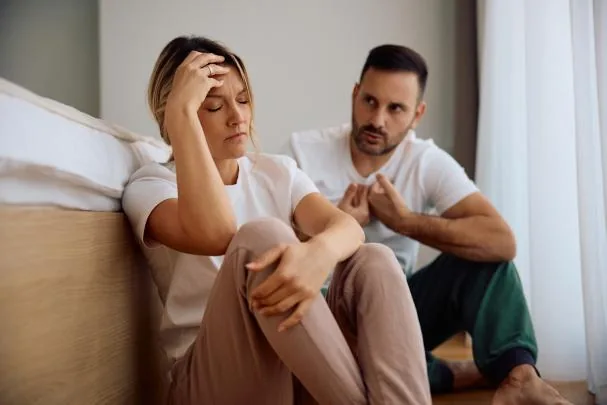
One of the most common mistakes on first dates is confusing intensity with intimacy. A very deep conversation can be exciting, even moving, but it does not always indicate a solid foundation. Sometimes there is only a very strong emotional discharge between two people who do not yet know each other.
Another risk is turning trauma into a calling card. Not because wounds should be hidden, but because a first date is not always the right space to fully reveal them. Sharing a painful experience requires some trust, but it also requires checking if the other person has the capacity to listen, respect, and support it.
Vicente emphasizes that the problem is not talking about what hurts, but doing so when it is not yet known what place the other person occupies in our life. If afterward they disappear, minimize what was shared, judge, or use that information later, the exposure can be experienced as a second wound. “When a person exposes themselves emotionally very early, they can be left in a position of greater vulnerability,” she points out.
Moreover, a date should not serve as a therapeutic space. A relationship can accompany, care for, and repair in certain aspects, but it does not replace a psychological process nor make the other responsible for sustaining everything that has not yet been processed.
Talking about emotions is progress; learning when to do it is too
None of this means returning to emotional silence or hiding what hurts. That young generations talk more about mental health, go to therapy, name their boundaries, and recognize their emotional patterns is progress. Vicente considers it a positive evolution: “They have a much broader emotional vocabulary, better identify what they feel, and are less afraid to ask for psychological help or express their inner world.”
The issue is not to talk less, but to talk better. It is not about hiding, but regulating the pace. Healthy vulnerability does not seek to impress, retain, or test the other. It appears when there is a minimum basis of trust, when the conversation is reciprocal, and when both people can decide if they are ready to enter certain topics.
Rincón also points to that need to know oneself before trying to connect with someone. For him, one of the keys is not projecting one’s own problems onto others. “Many times we live in others what we are afraid to face in ourselves,” he says. “That is why I think it is so important to know yourself first before trying to connect with another person.”
The current moment of relationships, he says, is more ephemeral but not necessarily worse. “I don’t think it is impossible to connect today. I think we just connect differently, although sometimes we do it too quickly and with too many expectations.”
Perhaps that is the key to floodlighting: not in stopping being honest, but in understanding that honesty also needs time. Telling everything on a first date does not always bring us closer to the other. Sometimes it only exposes us before knowing if that person deserves access to such a delicate part of our story.
Read more The Jalisco cartel’s labs in a farmhouse in Lleida: 300 kilos of methamphetamine in two days