Tensions in the Middle East have intensified in recent hours with a new wave of cross-attacks between Iran and the United States, which launched a series of bombings on the Persian country after the Islamic Revolutionary Guard attacked a container ship sailing through the Strait of Hormuz. Later, Tehran responded with missiles and drones targeted at Persian Gulf countries hosting US bases, such as Jordan, Kuwait, and Qatar.
Read more No bail bond for the alleged rapist arrested during the Sanfermines
US President Donald Trump declared this Sunday that Iran was attacked “very strongly” tonight. The United States Central Command (Centcom) accuses Iran of the attack on the GFS Galaxy, a container ship flying the Cypriot flag, which prompted the US retaliation.
According to the British maritime security agency UKMTO, the attack occurred 9 nautical miles (approximately 17 km) east of the Musandam Peninsula, belonging to the Sultanate of Oman, and caused a fire on board, forcing the crew to evacuate in a lifeboat.
The Islamic Revolutionary Guard Corps of Iran (IRGC), the country’s ideological army, announced on Sunday that it had attacked two ships in the Strait of Hormuz, without specifying which ones. They justified the attack on the first ship alleging it was using an “unauthorized route.”
Closure of the Strait of Hormuz
Hours earlier, the Iranian armed body had announced the closure of the strait “until further notice,” accusing several vessels of ignoring the order to transit exclusively through an authorized zone. It warned that any foreign interference to open an “illegal route” in the region would receive a strong response. Iran’s announcement came hours after it accused the US of having “violated” the memorandum of understanding between both parties with Washington’s decision to impose new sanctions against the environment of the Iranian Supreme Leader, Mojtaba Jamenei.
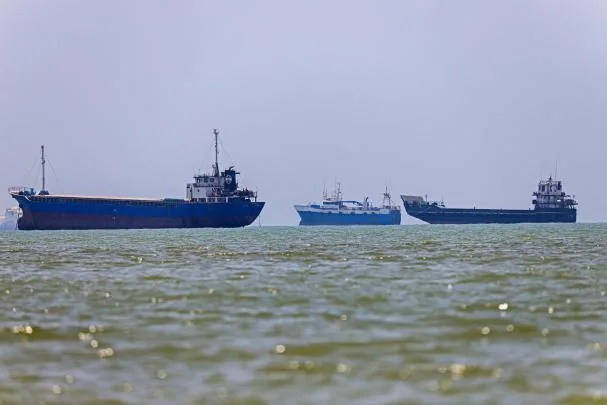
Despite the Iranian warning to close the strait until “the end of US interference” in this strategic passage, the United States assures that commercial ships continue to transit this maritime route through which a fifth of the world’s oil and LNG shipments passed before the war.
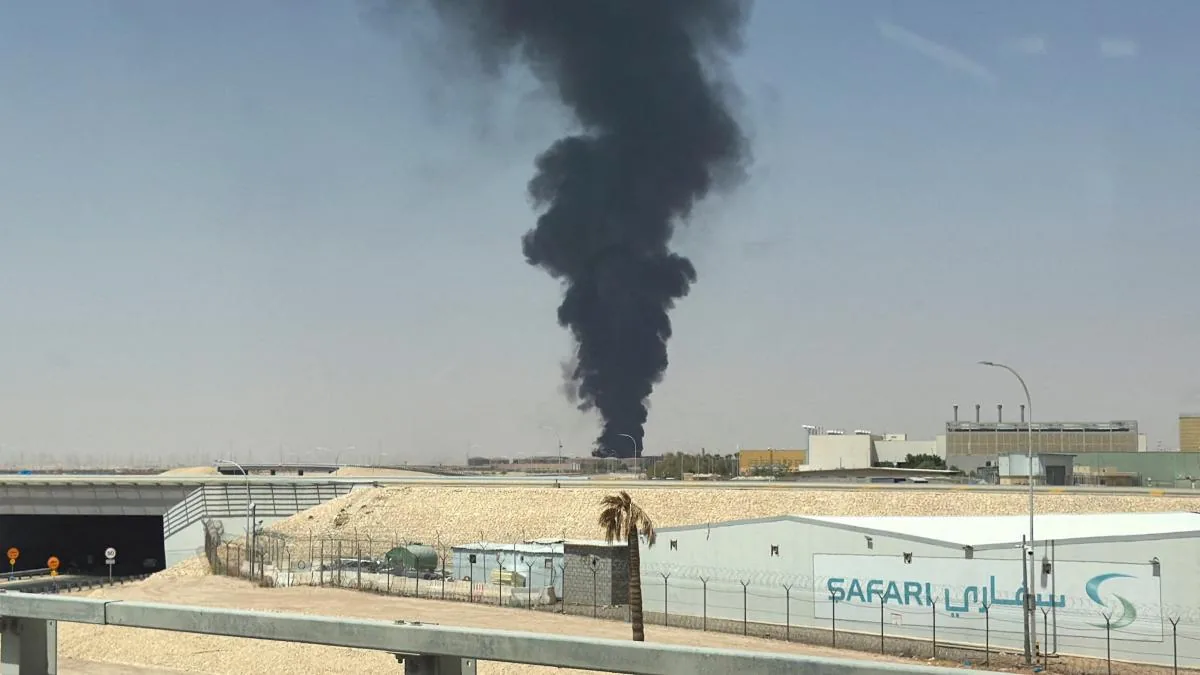
The US and Iran signed a memorandum of understanding on June 17 to end the war, unblock the Strait of Hormuz, and open negotiations on Iran’s nuclear program. However, in recent days there have been a series of cross-attacks in the Middle East. The latest episode of the military escalation took place early this morning, when several explosions were recorded in the province of Bushehr, where an Iranian nuclear plant is located, as well as in various localities near the Strait of Hormuz.
Tehran, for its part, has responded by launching missiles and drones against countries in the region hosting US bases, such as Qatar, Bahrain, Kuwait, the United Arab Emirates (UAE), and Jordan. According to the Jordanian army, three missiles fell in various parts of the country causing “minor material damage,” although no casualties were reported. Jordan was also the target of an Iranian attack three days ago. Practically all Persian Gulf countries have reported attacks on their territory this Sunday attributed – except Oman – to Iran.
Read more The financing system plans to collect in a common fund but without regional management
According to the Iranian Revolutionary Guard, it has destroyed a command and control center and drone hangars in Jordan, attacked a US radar site in Kuwait, and struck support and replenishment platforms for US aircraft carriers in Oman. Additionally, it claims to have destroyed an aircraft maintenance center and a command facility in Qatar, where three people, including a child, were injured by falling shrapnel.
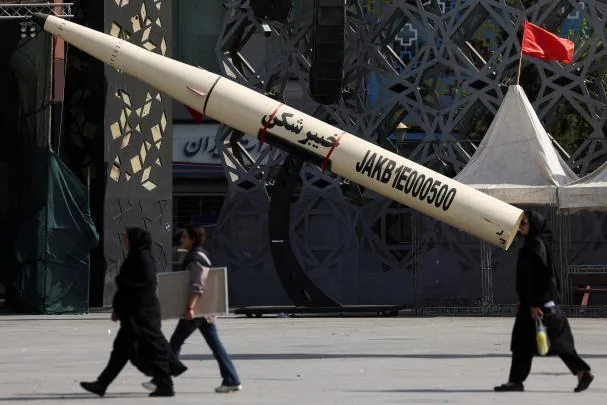
Meanwhile, the United Arab Emirates has reported that its defense systems intercepted missiles and drones from Iran, although it later detailed that the missile threats detected earlier during the day were outside the country’s borders. In recent weeks, Iran had struck Kuwait and Bahrain, while avoiding doing so with Qatar since early April and the Emirates since early May.
According to the US Central Command (Centcom), Iran attacked early Sunday a container ship flying the Cypriot flag, causing a fire on board and damage to the engine room that forced the voyage to stop. An Indian crew member is missing.
US forces attacked 140 Iranian military targets
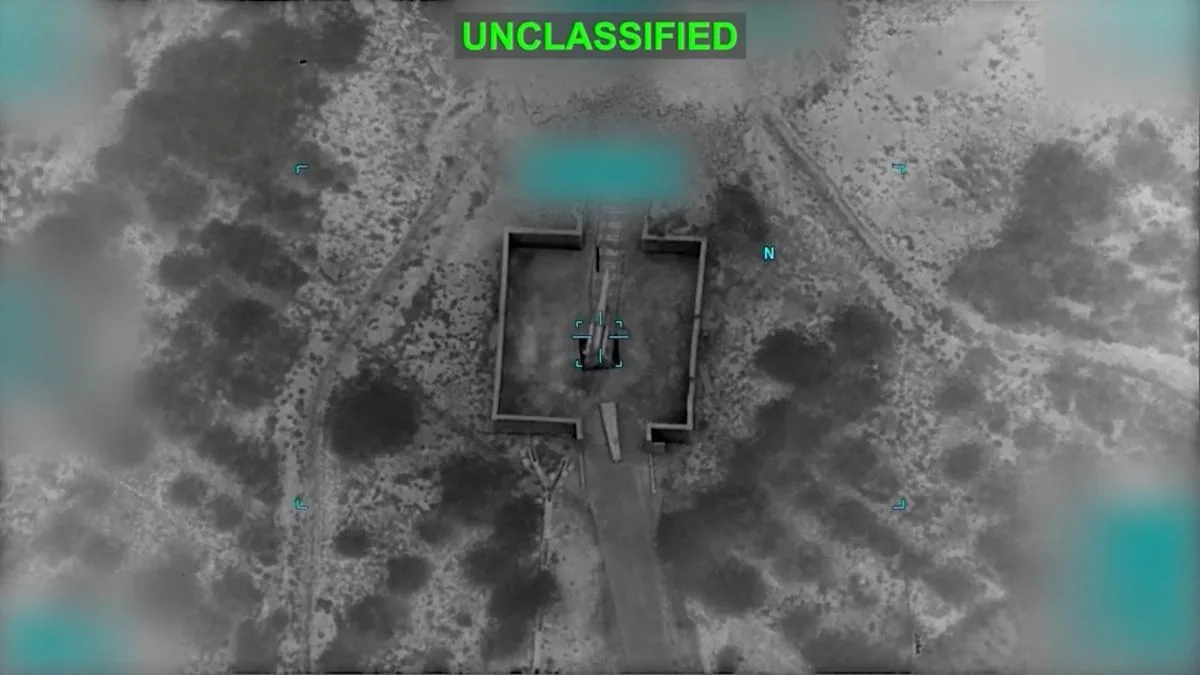
US forces say the new wave of bombings against the Islamic Republic responds to the need to degrade Iran’s capacity to attack new vessels in the Strait of Hormuz. “US forces attacked approximately 140 Iranian military targets with precision munitions launched from combat aircraft (land- and sea-based), drones, and naval vessels,” detailed the US Central Command (Centcom) in a statement. The targets included Iranian missile and drone facilities, naval capabilities, ammunition depots, communication networks, and coastal surveillance posts.
A few days ago, Trump ended the ceasefire agreement in force between the two countries after the resumption of Iranian bombings against US allies in the Persian Gulf and the attack on several merchant ships in the Strait of Oman. However, the US president left the door open for new negotiations.
The new wave of attacks distances the agreement to end the war
In any case, the latest military outbreak in the Persian Gulf casts doubts on the future of the provisional agreement signed last month between the United States and Iran with the aim of ending the war. In this regard, Iran’s chief negotiator, Mohammad Baqer Qalibaf, has stated on the social network X that “the era of unilateral agreements” has ended.
The United States revoked on Tuesday the license authorizing the sale of Iranian crude after Qatari and Saudi commercial tankers were attacked earlier in the week. The latest round of hostilities comes after talks held on Saturday between Iran’s Foreign Minister, Abbas Araqchi, and Oman’s Foreign Minister, Badr Albusaidi. According to Iran, the talks aimed to coordinate preparations for navigation and transit through the Strait of Hormuz, with the presence of a Qatari delegation as well.
Read more The invisible hands