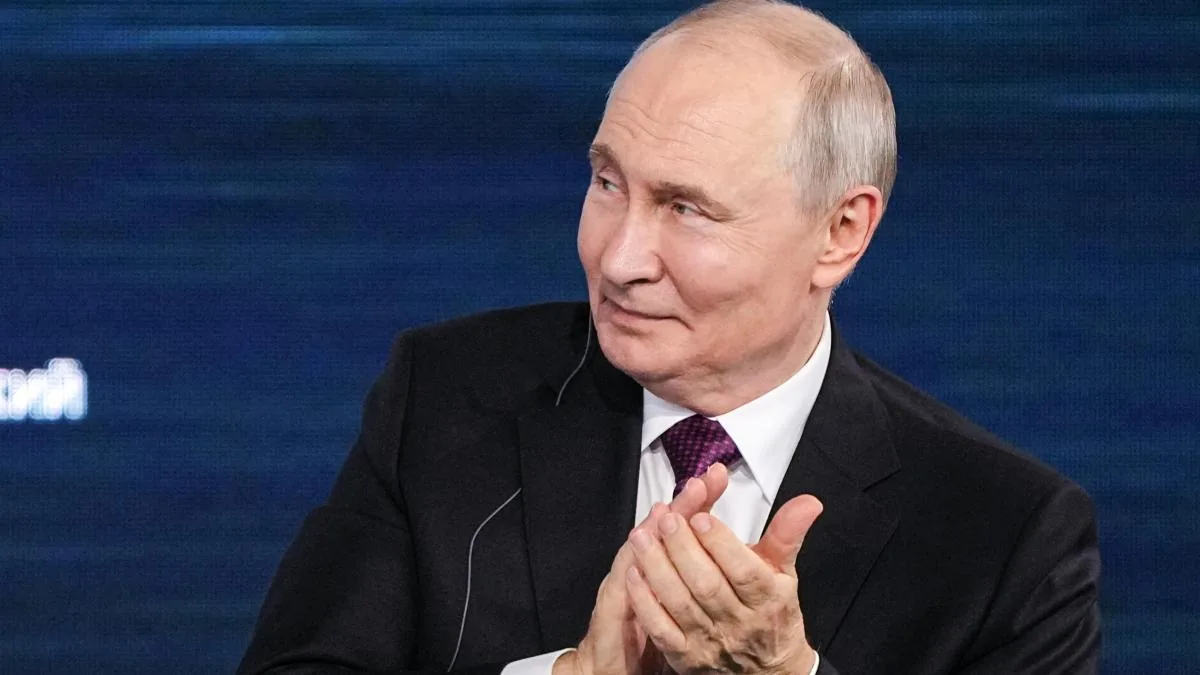
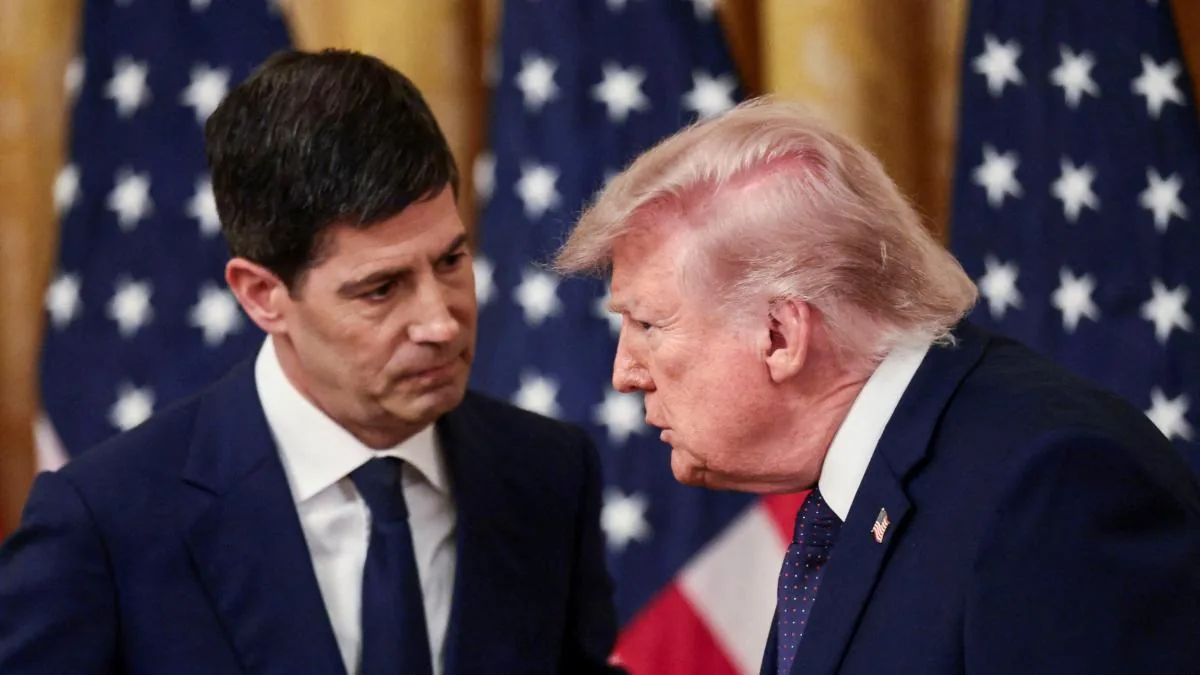
Action and reaction. After the lack of agreement was confirmed and President Donald Trump imposed new tariffs on Canada, Prime Minister Mark Carney responded on Friday in Ottawa that his country will match those levies, dollar for dollar, starting September 8.
Read more The Government will establish a unified command led by Minister Torres to manage the Ceuta crisis
Carney admitted that he broke off negotiations reluctantly, because he knows this will mean an increase in costs for his compatriots. “But, at the same time, we take this step convinced that it is what is best for Canada. When you are attacked, you are at war, and we have been attacked,” he added. “We cannot accept what they have offered us and we will not give what they have asked for,” he insisted.
If this is war, Trump responded this Monday according to his retaliation manual, although it is already known that, in his case, everything is more than changeable, liquid, or volatile. The U.S. president threatened on his social network that the United States will impose a 50% tariff on all Canadian imports of automobiles and steel, starting January 1, 2027, after negotiations failed.
“Canada has been cheating the United States for years,” Trump wrote on his platform. “On January 1, 2027, tariffs on all cars, trucks, both large and small, auto parts and steel will increase to 50%,” he stated. He also noted that vehicles made in the U.S. will not be subject to these tariffs.
“Canada will no longer be treated as a state!” he proclaimed. In trade matters, and also in other aspects, they are among the worst nations in the world to deal with,” he emphasized. “They think they are entitled to everything and yet, we do not need Canada, they need us. 95% of their business is done with the United States, in our case it is exactly the opposite.”
Although Trump included steel in the announcement, that Canadian-imported material is already subject to a 50% tariff. Currently, cars and parts from outside the U.S. are subject to a 25% tariff.
On Saturday, U.S. tariffs of 50% on hundreds of Canadian products, worth 20 billion of their July exports, came into effect, including hockey sticks and imported agricultural products.
Read more London will help Kyiv manufacture long-range missiles amid Patriot shortages
Canada is the third largest source of imports to the United States. In 2025, more than 380 billion dollars in goods were introduced to the country from Canada, according to U.S. Census data.
According to Carney, negotiations broke down because the new terms offered by Washington were “uneconomic and unfair.” Canadian politicians across the spectrum supported the prime minister’s decision, including opposition leader Pierre Poilievre of the Conservative Party.
“Canadians must remain united to defend our country against these unfair attacks on our jobs and our businesses,” he said on X. “Canada cannot accept unilateral tariffs that will deindustrialize our country. Nor can we accept a bad deal. Instead, we must continue the fight for tariff-free trade,” he added. Provincial premiers took a similar stance.
“We have to use all the tools at our disposal to make sure that if Donald Trump tries to make all Canadians suffer, we make him suffer to the same extent,” warned Doug Ford, premier of Ontario.
That unanimity is not found by the U.S. president even among conservative ranks, where several voices warned that, contrary to Trump’s opinion, the negative impact of entering a trade war with Canada must be considered. The tariffs will mean an increase in costs for American consumers.
Read more The PP demands the return of all migrants in Ceuta: “We are talking about return, not distribution”