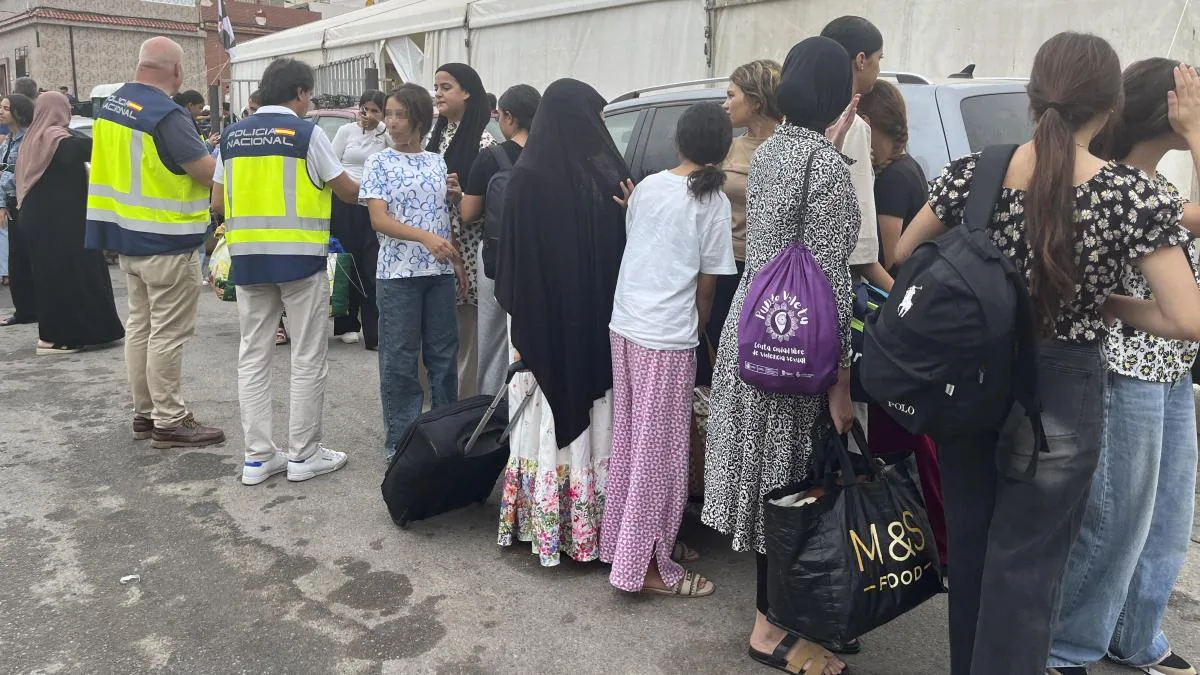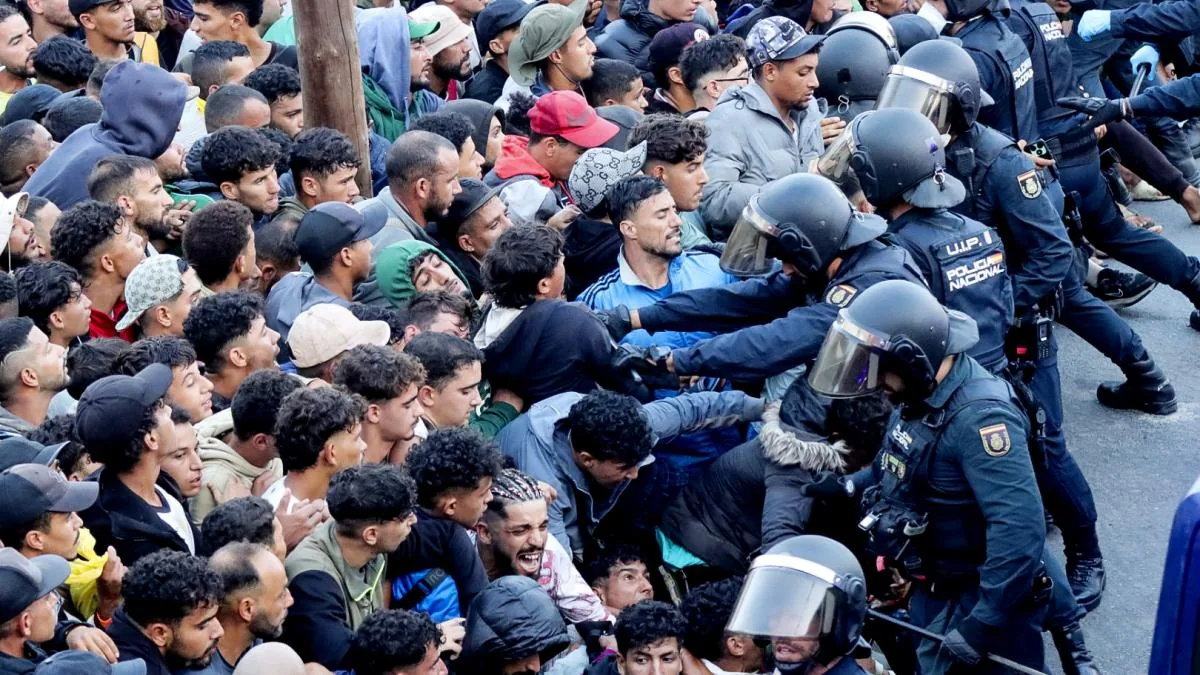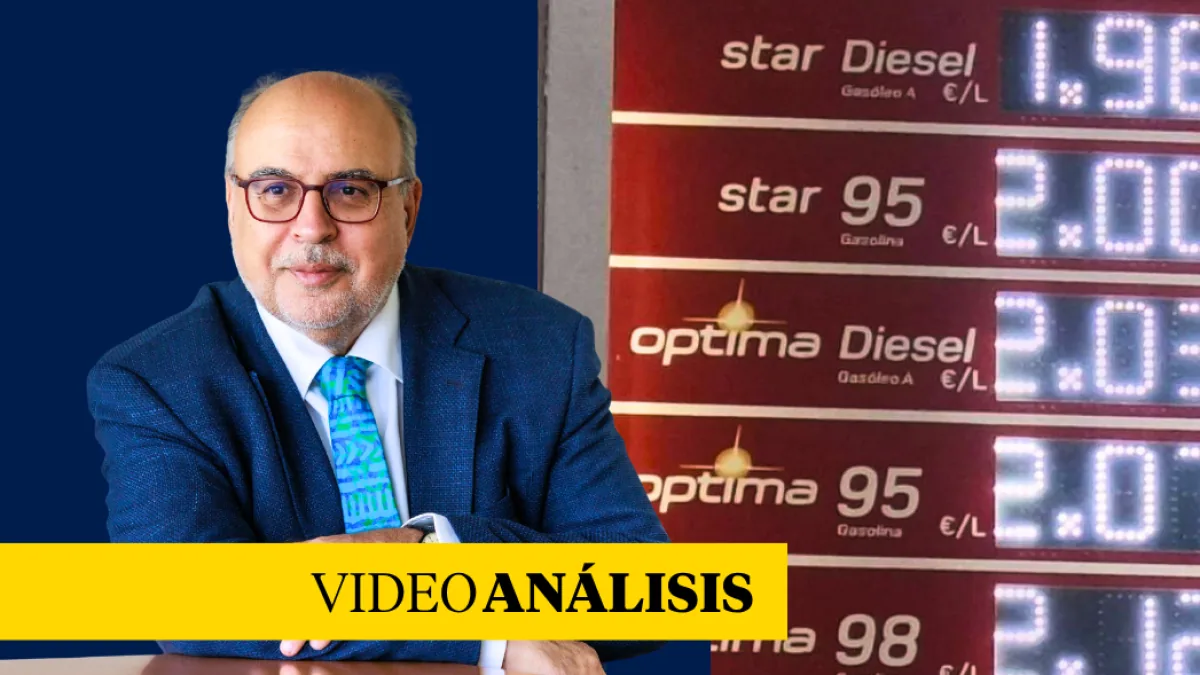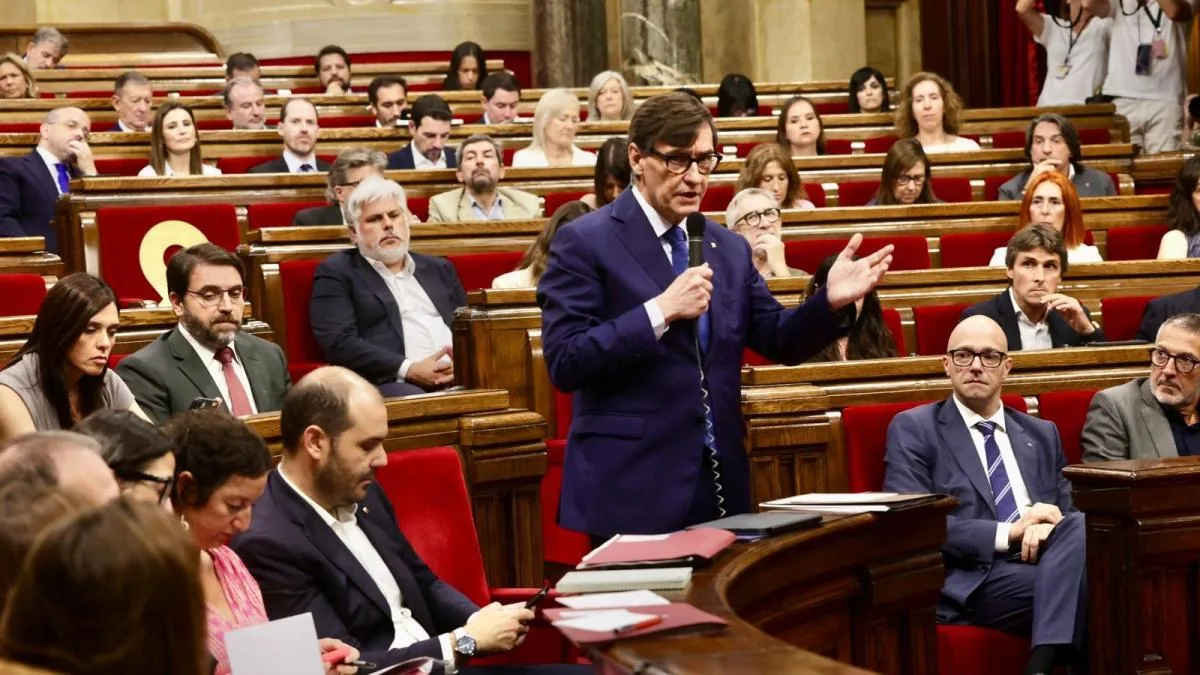
There are two Catalonias. One is the one that moves in the offices of the Generalitat, negotiates with the parties, closes agreements, approves budgets, and tries to push forward autonomous financing that will still have to pass the Congress procedure. The other is much more prosaic. It is the one of those looking for an apartment they can afford with their salary, the parents who want a good education for their children (who learned yesterday about the disastrous results of the PISA report), or those who every morning take the train or drive on the AP-7 to go to work and cross their fingers that there is no incident.

The first has regained a political and institutional stability that Catalonia needed. The second is still waiting for that “normality” to be felt in their daily life. And this is perhaps the great contradiction of Salvador Illa’s presidency, which has made Catalan politics more predictable and orderly in the offices than on the street.
The margin is running out and results should materialize now that there are resources
It could be said that this usually happens this way, that politics often goes one way and citizens’ lives another, and it is unfair to attribute to the current Government all the problems accumulated over too many years of self-absorption. The difficulties in accessing housing, the shortcomings in education and healthcare, the issues with knives and security, or the infrastructure deficit did not emerge under Illa’s government. These are deficits, some unfortunately becoming structural, that have led groups of teachers and healthcare workers to protest in the streets to demand labor improvements and denounce a strained public system.
Illa came to the presidency with the proposal to recover management and improve public services. This was his calling card. Now he has the budget that he lacked in the first two years of the legislature to do so.
Read more Sílvia Catà, the first woman to be chief of the Mossos
For the Government, the accounts represent a “horizon of stability” until the end of the term, both politically and in terms of management. The president himself seems to have concluded the stage of setting up the Executive, free from the constraints of ERC and Comuns, and is already demanding effective results. In the interview he gave this past Monday to Catalunya Ràdio, he asked his ministers to “work,” the same message he conveyed to them at the “retreats” at the end of August in Os de Balaguer. At the same time, he asked to “give time” to his officials and said he was “happy with how they are working.”
The president, however, must know that the margin is running out and that progress should materialize now that he has the tools and resources for that political stability to translate into improvements in the lives of Catalans.
On Monday he will give a mandate balance conference and perhaps it is a good time to further push his policy, not make so many promises, and above all avoid self-complacency
Read more Ferran López, the new director of the Mossos who already replaced Trapero with the 155