








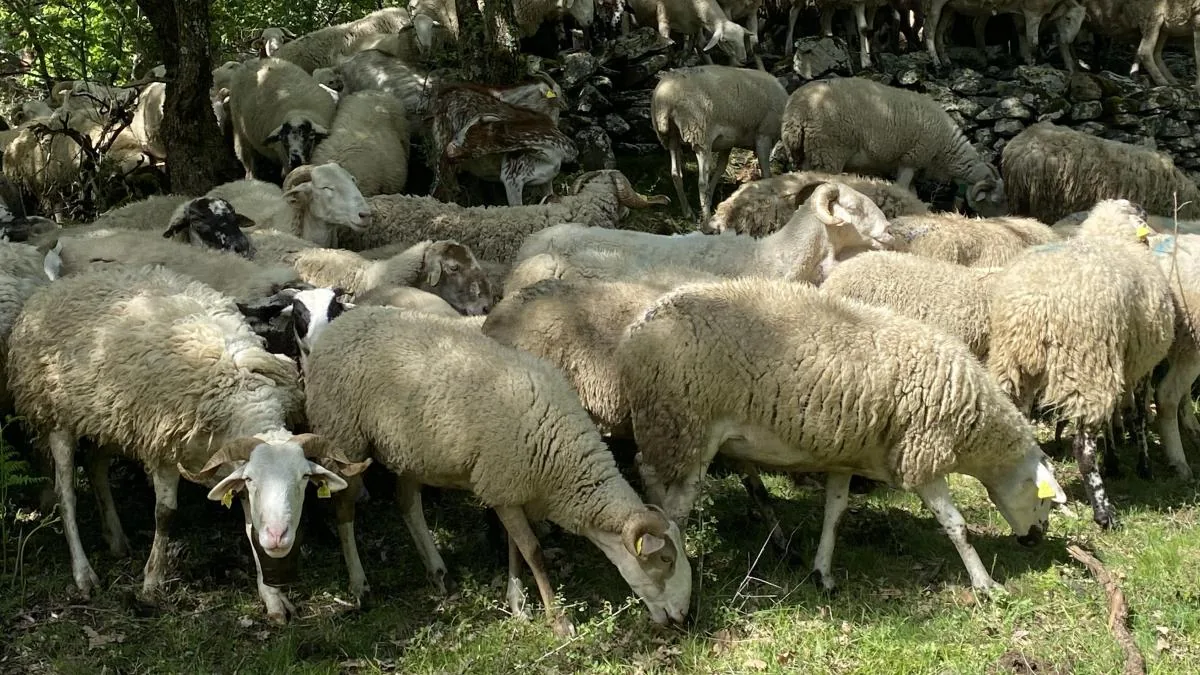
In Vilamòs, a small village in the heart of the Vall d’Aran, a municipal flock of sheep and goats grazes the land without worrying about taxes, medical appointments, or shopping lists. They do what they have always done, although now they are news. They have become the protagonists of a project that seeks something as simple as keeping the vegetation growing in their forests under control.
Read more Lamine Yamal: “This year I deserve the Ballon d’Or”
And, at this point in the story, the second phase of Ovihuec.sost begins, an initiative promoted by the Vilamòs Town Hall and the Conselh Generau d’Aran, and coordinated by the Institut de Recerca i Tecnologia Agroalimentàries (IRTA) of the Generalitat de Catalunya, to which Endesa has also joined.
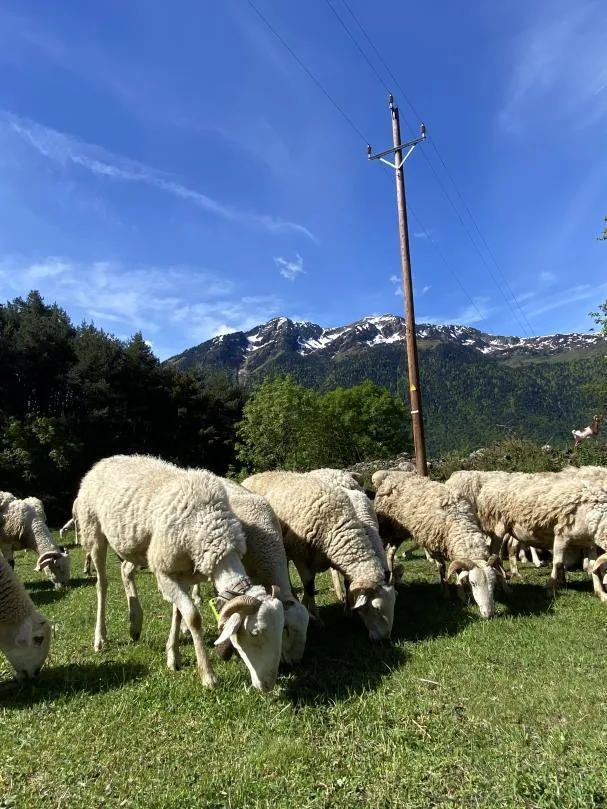
The goal? That nature and natural processes like this extensive livestock farming join the most advanced technologies to protect the natural environment of the mountains in a complementary way. Ergo, improve the management of the undergrowth, even that located under the power lines.
Rural fire prevention
Located at an altitude of 1,255 meters, Vilamòs is the oldest village in the Vall d’Aran and boasts a long livestock tradition. The paths, shepherds’ huts, or the popular “bordas” are integrated into its imagery and culture. It is, without a doubt, an ideal environment to find a new use for this traditional practice: preventing forest fires. By feeding on the vegetation, the goats and sheep in the area help keep spaces clean and prevent the undergrowth from getting out of control.
In the safety strips that run under the power lines, keeping vegetation controlled is extremely important. The less plant mass there is, the lower the risk of fires. Additionally, it facilitates the protection of essential infrastructure to guarantee electricity supply.
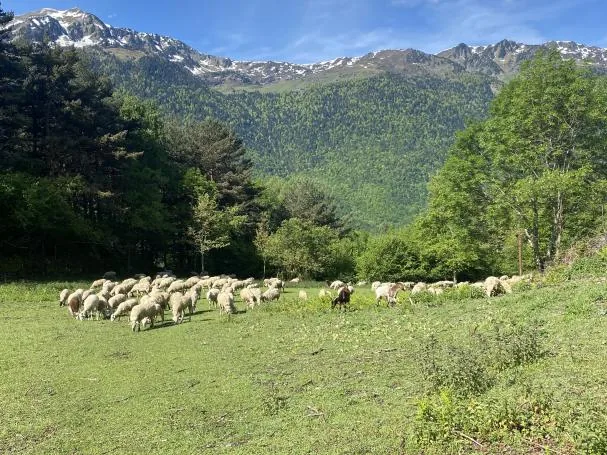
Grazing is not a substitute but a complement to conventional forestry actions. Logging, pruning, and clearing work are still necessary, but the flock brings something different. And it is, above all, a natural solution adapted to the rhythm of the territory capable of generating environmental and social value in a sustained way.
The truth is that all this is not new. For generations, grazing animals have taken care of the rural landscape. Now, the more than 250 sheep and goats in this village have a complementary job. Some, the sheep, act on the grass layer. The goats, on the contrary, on controlling the undergrowth and shrubs.
Read more Hundreds of Italian teachers give up permanent positions due to housing costs
Providing environmental and social benefits
Endesa is clear: protecting forests increasingly requires combining different knowledge and tools. That is why the company annually allocates significant resources – more than 38 million euros this 2026 – and develops an annual prevention strategy.
Forestry actions, aerial inspections, drones, LIDAR technology, thermographic reviews, and specialized teams working on the ground. All to control plant mass, monitor and inspect the territory, and ensure the continued maintenance of the facilities.
This second phase of the Ovihuec.sost project will also allow analyzing how this tool can work within Endesa’s usual forest management campaigns. The abandonment of certain agricultural and livestock practices, along with vegetation growth and biomass accumulation, is transforming many rural landscapes. Recovering extensive grazing can help preserve the traditional agroforestry mosaic and, at the same time, provide environmental and social benefits.
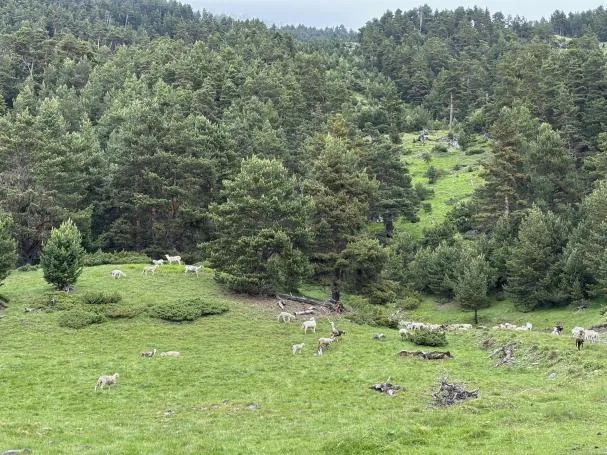
The Vilamòs Municipal Flock project was born from the will of the town’s mayor, son of a shepherd, and a clear reading of the territorial and climatic context of the Pyrenees. Its challenge is totally different from private livestock farming: territory management as an ecosystem service. And, moreover, it also has an experimental dimension. Vilamòs is a pilot space with the vocation to later be replicated in other mountain areas in Catalonia.
The story of Vilamòs is, at its core, a story of collaboration and it is estimated to be a self-sufficient model by 2028. This pilot project is especially relevant for Endesa as more than 53,000 kilometers of overhead lines in the autonomous community pass through vegetation areas and require constant management.
Finally, it shows that sometimes innovating does not mean inventing something completely new. But recovering what already worked and finding a new purpose for it.
Read more Oasis announces new tour with stop in Barcelona on July 10 and 11