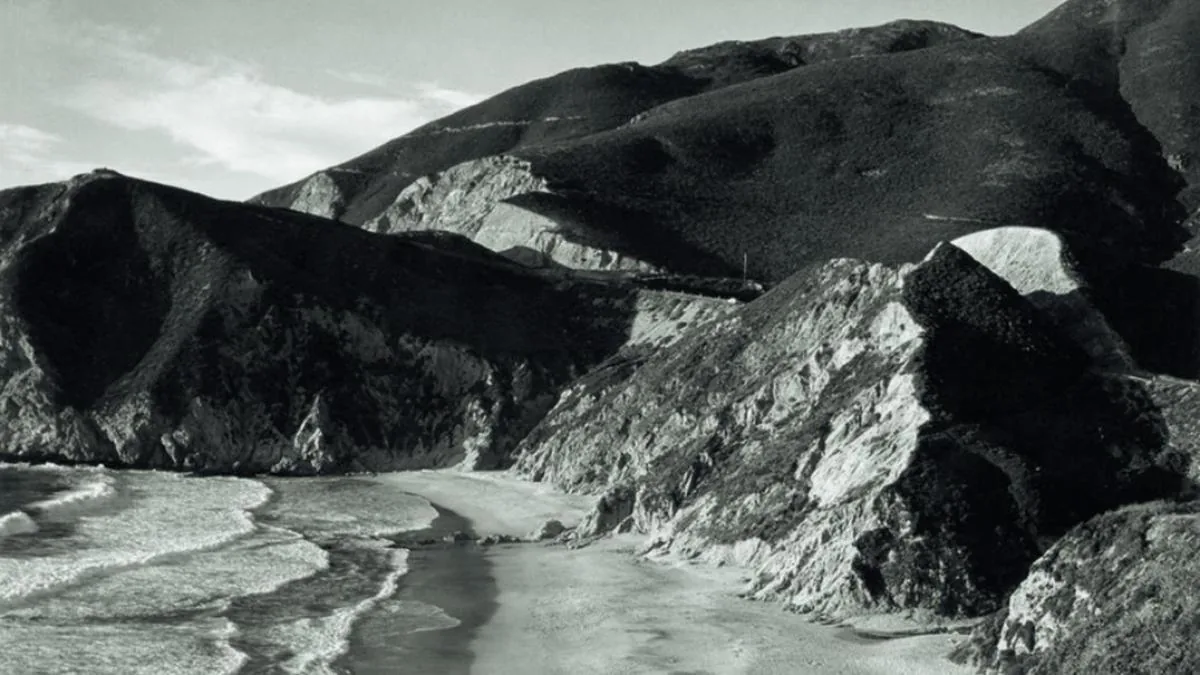
Observing the world to know oneself. Minor White, considered one of the essential names of the 20th century for understanding the evolution of modern photography, reminds us that this discipline is a way to explore and reflect our inner self. The poetry that emanates from his images is one of the keys to his work, and the public who visit the KBr center of Fundación Mapfre in Barcelona will be able to see it with the most comprehensive retrospective of the artist in Europe.
Read more The most unexpected literary success of the summer
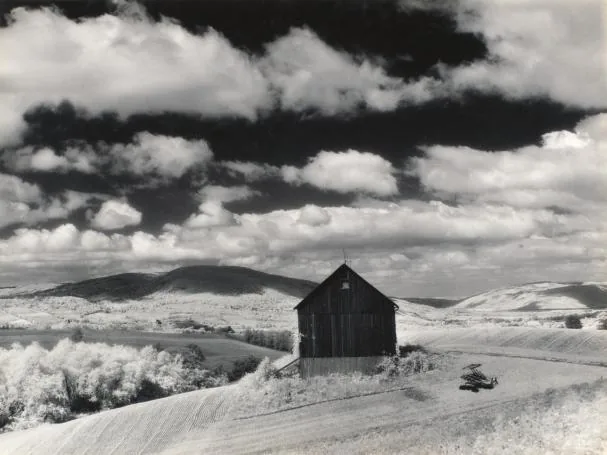
“Minor White was a poet, and photography the ultimate reason for his existence, the way to live with his wound and contradictions, his way of being and existing in the world,” explained Carlos Gollonet, chief photography curator at Fundación Mapfre, during the presentation of the exhibition. It is structured mainly around the idea of sequence. “Any photograph seen alone will fail in the attempt to communicate. To communicate or evoke, a minimum of two photographs or a photograph with words is required,” White said. Therefore, the artist valued the whole, making the images relate to each other, telling a story, but at the same time with an indispensable element: the audience. Thus, “he sought the active participation of the viewer,” according to Gollonet, referring to what White considered “the cinema of still images.”
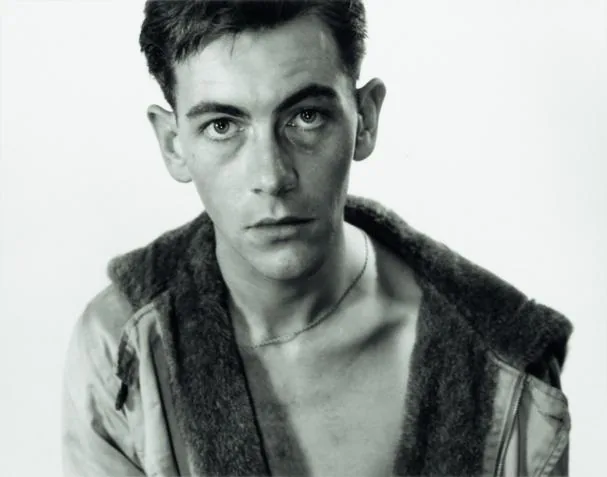
Minor White was a poet, and photography the ultimate reason for his existence, the way to live with his wound and contradictions, his way of being and existing in the world
Carlos Gollonet
Chief Photography Curator at Fundación Mapfre
Born in Minneapolis in 1908 and died in Boston in 1976, White began his training in botany and the arts, and wrote poetry from a very young age. From the late 1930s, he devoted himself fully to photography, developing his initial work in Portland, where he approached the work of artists such as Alfred Stieglitz, who promoted straight photography, with sharpness and without retouching; Ansel Adams, the quintessential landscape photographer; and Edward Weston, who studied forms and textures in great detail.
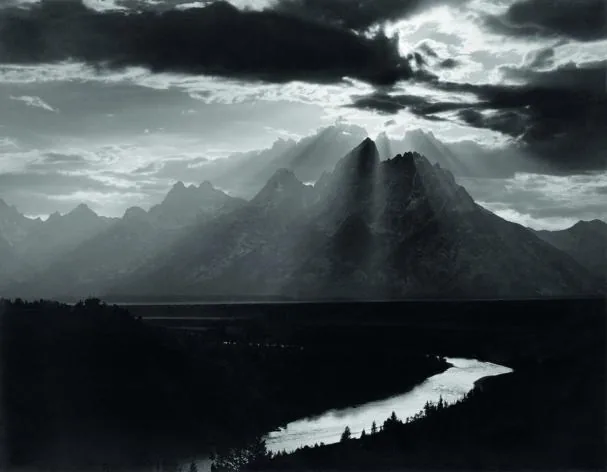
From the 1940s, he consolidated his dual role as photographer and teacher. He worked at centers such as the California School of Fine Arts in San Francisco, an institution that renewed photographic education in the United States, and the Massachusetts Institute of Technology, as well as giving workshops for new generations. White’s importance also lies in his role as editor, being one of the founders of Aperture magazine in 1952.
Read more “I’m always reading”: evicted from his New York apartment for accumulating 10,000 books
White conceived photography as a tool for perception and awareness amid the rise of photojournalism and documentary photography. Therefore, his production is even more extraordinary. The subjects of his snapshots – nature, landscape, portrait, and male nude – escape the conventional, reflecting an intense introspective and spiritual charge.
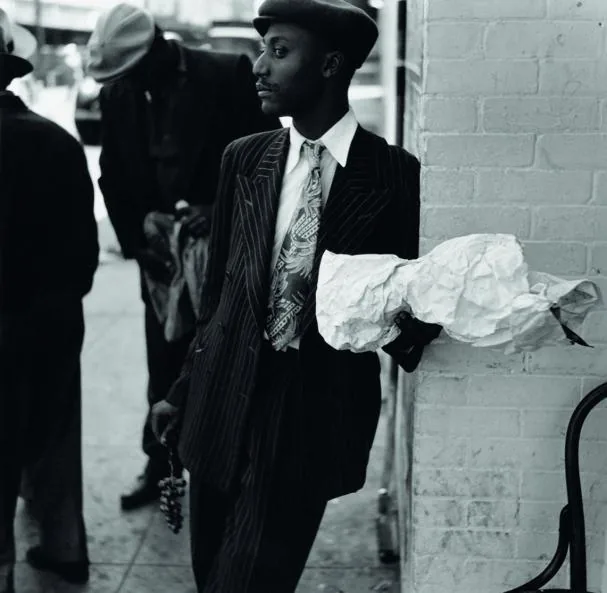
The exhibition is made up of about two hundred and fifty vintage prints, of which about one hundred and sixty constitute eleven sequences. Some of them were never exhibited during the photographer’s lifetime and most have not been shown in full in Europe. Fifty years after his death, Fundación Mapfre pays him a well-deserved tribute, in Barcelona until September 6 and in Madrid from September 24 to January 10.
More information:
https://www.fundacionmapfre.org/arte-y-cultura/exposiciones/centro-fotografia-kbr/minor-white/