Moscow gas stations have resumed rationing gasoline supply this week as long lines begin to appear and authorities acknowledge the start of the “second stage” of the fuel shortage crisis due to Ukrainian attacks on Russian refineries. The Kremlin has had to redirect supplies from the provinces to the capital and import gasoline from other countries to stabilize the situation.
Read more Catalonia prepares for a weather change with warnings for heavy rainfall
“The line of cars is two or three times longer than last month,” says a surprised local passing by a Gazprom Neft service station in Moscow.
This and at least one other oil company have confirmed to the economic newspaper RBK that they have implemented fuel sale restrictions. The Gazprom Neft group has set a quota of 60 liters of gasoline per vehicle but maintains that it is a temporary measure and will do everything possible to meet growing demand. For diesel, there are no restrictions at this chain.
Gasoline availability has plummeted across Russia
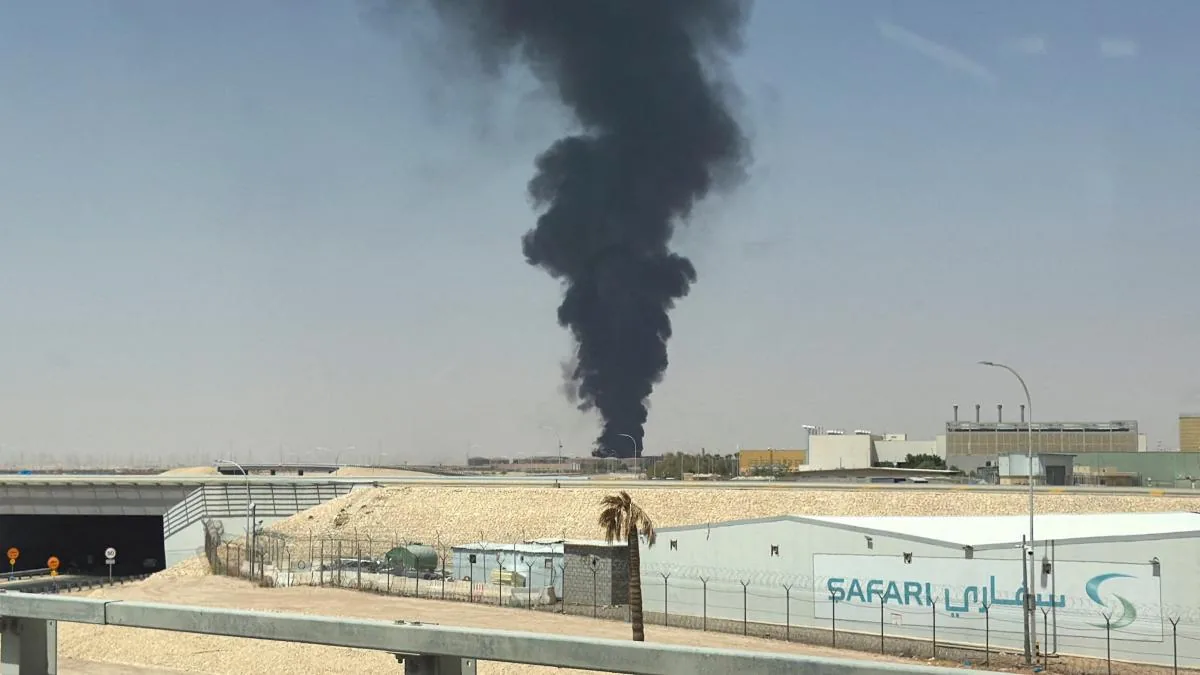
Russian authorities admit that this second wave of the crisis is due to Ukrainian drone attacks on Russian oil infrastructure, especially refineries. But they also maintain that at this time of year there is always an increase in fuel needs in the country.
The Tatneft gas station network is applying a limit of 50 liters for gasoline and 60 for diesel in Moscow.
According to the tracking app GdeBenz, the total fuel availability rate at gas stations nationwide dropped to 28.1% on August 16, down from 41% a week earlier.
This pressure has been intermittently felt at some service stations and for certain types of gasoline. On August 18, the customer service of Neftmaguistral reported that one of its gas stations had no 95-octane gasoline.
The situation varies depending on the region and the service station
RBK verified that at two Lukoil stations there was only diesel, while another gas station had all types available.
BusinessFM reports that the situation varies significantly depending on the region: in some, gasoline can be bought without lines, while in others drivers spend hours looking for a station to refuel their tanks.
A Muscovite named Nina testified on that radio station that she had traveled by car from Moscow to the city of Arkhangelsk, on the White Sea coast, encountering different situations. In the city of Vologda, for example, there were lines at the big oil companies’ gas stations, but none at private stations, albeit at a higher price. Beyond the city, there was no waiting to refuel at any gas station.
To ensure internal supply and address the crisis consequences, Russian authorities have banned gasoline and diesel exports. They have also authorized the sale of Euro-2 gasoline, below the usual quality standards.
Export ban, permission for lower quality gasoline, and now fuel purchases abroad
Additionally, they have begun importing petroleum products. In televised statements, Alexander Novak, one of the deputy prime ministers and responsible for energy issues, confirmed on Wednesday that Russia, traditionally a net exporter of fuel and crude oil, had started importing fuel.
Novak assured that the government is “evaluating where it is necessary to redirect additional flows, as we are entering the second phase of what we call a tense market situation.” He added that several refineries are expected to resume operations soon after maintenance work, which will “significantly improve” the market situation.
The day before, Russian Energy Minister Sergey Tsivilyov noted on the Telegram channel Yunashev Live that fuel supply problems persisted in some regions and acknowledged that long waiting lines were forming at Russian gas stations, as happened a couple of months ago. “There is diesel everywhere, at all gas stations. I drive a diesel (…) There is also gasoline: but it is true that there are lines, I agree,” Tsivilyov stated.
A taxi driver from the Moscow Province, Pavel, confirmed the minister’s words on BusinessFM: “In general, there is only diesel at gas stations. There is less 100-octane or 98 gasoline, and occasionally 92. Unfortunately, I would say the lines are now longer than during the first wave.”
Restrictions from Crimea to the Russian Far East regions
Another Muscovite, named Olga, says she has chosen to use a taxi instead of waiting in line. On the 17th, “I spent two hours looking for gasoline but couldn’t refuel (…) Between the MKAD (Moscow Ring Road) and the Rublyovskoye highway there was only one gas station (in that area), but the line was huge. Waiting from midnight to two in the morning, with the possibility that the gasoline runs out, is not pleasant. So that’s why I chose the taxi.”
This is the second time this year that, either by order of the authorities or by the oil companies’ own initiative, fuel sales have had to be restricted due to the deficit caused by the Ukrainian drone offensive against Russian refineries. The first supply interruptions began at the end of May in Crimea, the Black Sea peninsula that Russia seized from Ukraine in 2014 and then annexed.
The crisis then spread to other regions of the country, and its effects even reached the Russian Far East. Total or partial control measures on gasoline or diesel were imposed in more than 80 regions.
Russian drivers breathed a sigh of relief in July, when restrictions began to ease gradually. Novak said the situation was stabilizing. But the relief was short-lived.