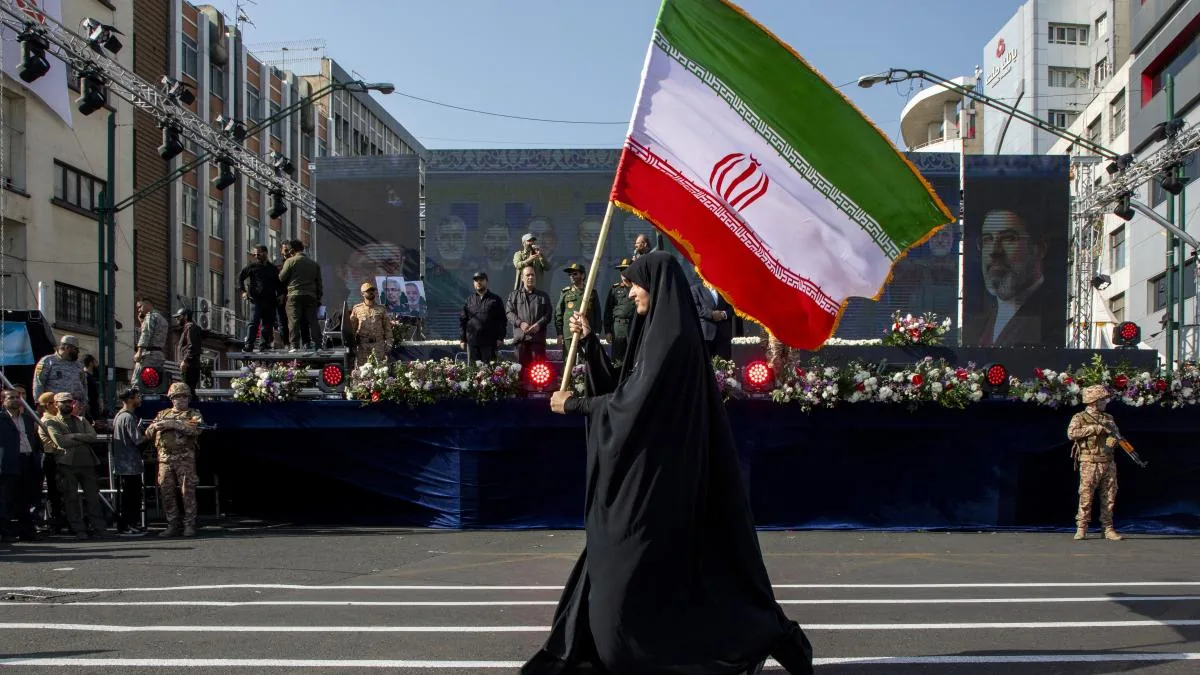
Iran has presented the United States with a 14-point proposal to definitively end the war, with a resolution timeline of 30 days and a set of demands ranging from lifting the naval blockade to the withdrawal of U.S. troops in the region.
Read more Minor arrested for the violent death of a man in Ciutat Vella
The plan, disseminated by Iranian media and sent through Pakistan as a mediating country, responds to a previous offer from Washington and prioritizes the “end of the war” over a simple extension of the ceasefire in place since April. These are some of the main points that have emerged:
Definitive end of the conflict
Tehran rejects the U.S. proposal to extend the truce and aims to formally close the war within a month, after more than a month of clashes.
Lift of the naval blockade
Iran demands the end of the maritime siege imposed by the U.S., which has intercepted dozens of Iranian vessels since April.
New framework for the Strait of Hormuz
The proposal includes redefining the management of the Strait of Hormuz, through which nearly 20% of the world’s oil passes. Tehran proposes maintaining operational control and even introducing tolls or restrictions on ships from countries considered hostile.
Non-aggression guarantees
The Islamic Republic demands verifiable commitments that neither the U.S. nor Israel will launch new military offensives against its territory.
Withdrawal of U.S. troops
Another key point is the exit of U.S. military personnel deployed in countries in the region, where there are bases in states such as Saudi Arabia, Qatar, or the United Arab Emirates.
Read more Israel extends the detention of the flotilla activists by two more days
End of sanctions and release of assets
Iran demands the lifting of economic sanctions and the return of frozen assets, including billions of dollars blocked in recent years.
War reparations
The plan includes financial compensation for damages caused during the bombings, which according to Tehran have left more than 3,400 dead and severe damage to infrastructure.
Extension of the agreement to other fronts
The proposal contemplates the cessation of hostilities in all scenarios linked to the conflict, including Lebanon, where Hezbollah maintains clashes with Israel.
The nuclear issue, postponed
One of the most sensitive aspects, the Iranian nuclear program, is left out of this first phase. Tehran proposes addressing it at a later stage, while Washington demands an end to uranium enrichment, which remains one of the main points of friction.
U.S. President Donald Trump has stated that he will review the proposal, although he has reiterated his skepticism after rejecting previous approaches. From Tehran, however, it is insisted that it is now up to Washington to choose between the diplomatic path or confrontation.
Read more Friedrich Merz’s Lost Year