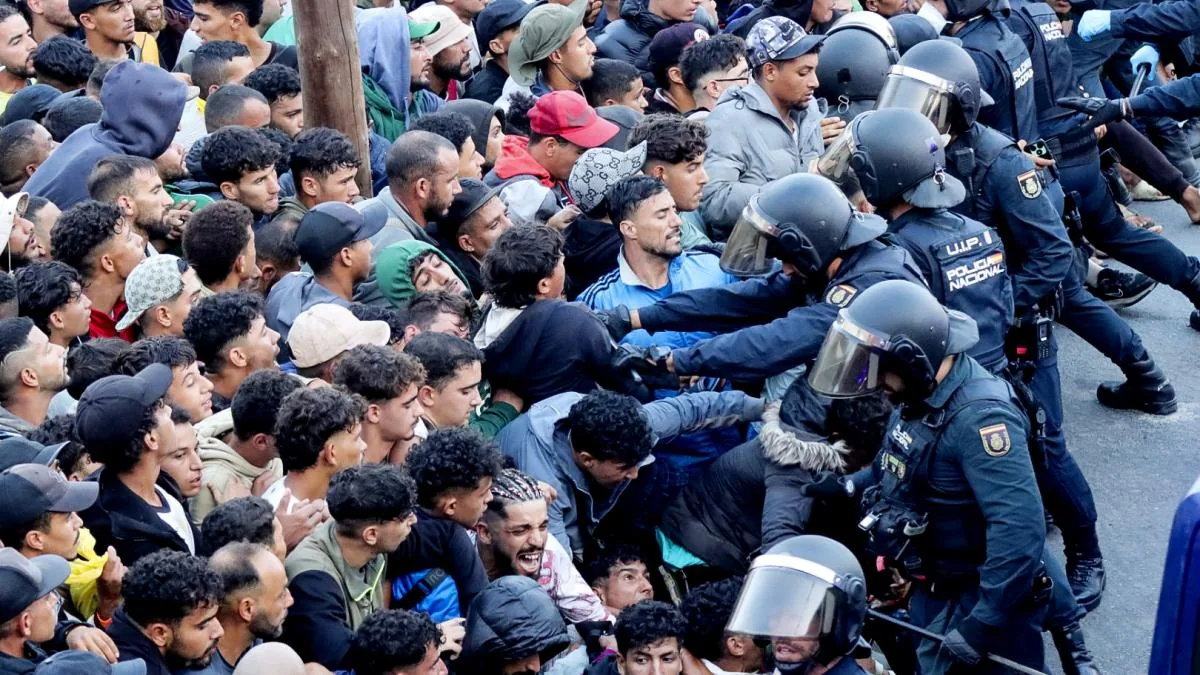
The judge of the National Court María Tardón has decided to broaden the range of information before deciding whether to initiate a formal investigation into what happened in Ceuta. Initially, she limited herself to asking the Police if they had data on who might have been behind the massive entry of migrants, which already amounts to 70,000, in case there was a plan to attack the integrity of the State. However, ex officio she has also decided to see what is happening with the deceased.
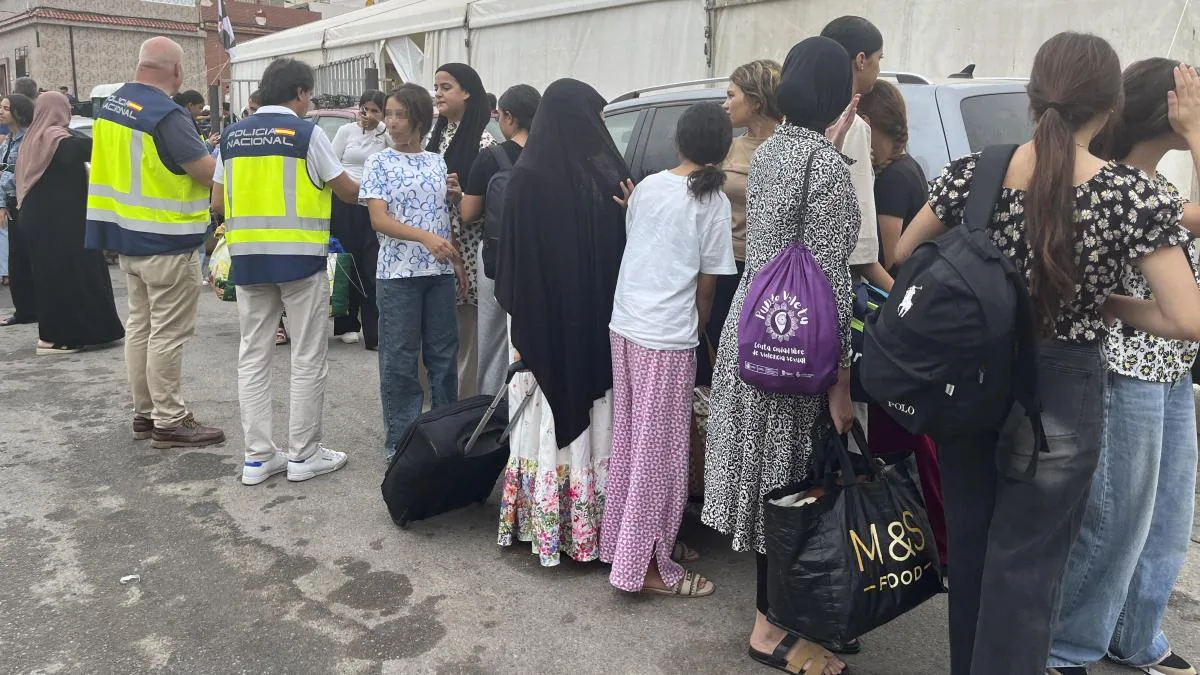
Until today, the investigation requests as well as public statements have revolved around the alleged “invasion,” as some call it, with the massive arrival of immigrants. The next debate has been what will happen to the thousands – it is said more than 2,000 – of migrants who have not returned to Morocco and who will have to be relocated in different autonomous communities.
But regarding the deceased, until now the stance has been to perform autopsies and wait to see if someone claims them for their return to Morocco or if not, proceed with their burial in Ceuta. However, there has been no talk of seeking those responsible for these deaths.
Also read
Tardón is studying a complaint filed by Iustitia Europa and before deciding if she is competent for it, she already requested various information from the UCRIF (Unit against Immigration Networks and Document Falsifications) of the National Police. Today she has chosen to expand the data and request from the Information Headquarters of the Civil Guard a report on the device developed by the different forces of the armed institute deployed in the territory; particularly regarding the rescue operations of people located in Spanish territorial waters, their known personal circumstances, as well as, in the case of deceased persons, if the cause and date of death are recorded and, in the case of survivors, their identity and location data that may have been collected.
Read more The Jalisco cartel’s labs in a farmhouse in Lleida: 300 kilos of methamphetamine in two days
Additionally, the magistrate delves into the debate on whether there were prior warnings or alerts that this could happen. If so, an investigation could be initiated, as in the case of the DANA in Valencia, for homicide and gross negligence. That is why she demands that the Civil Guard report if it received any information in the days prior to such events that could have “alerted” about their possible occurrence.
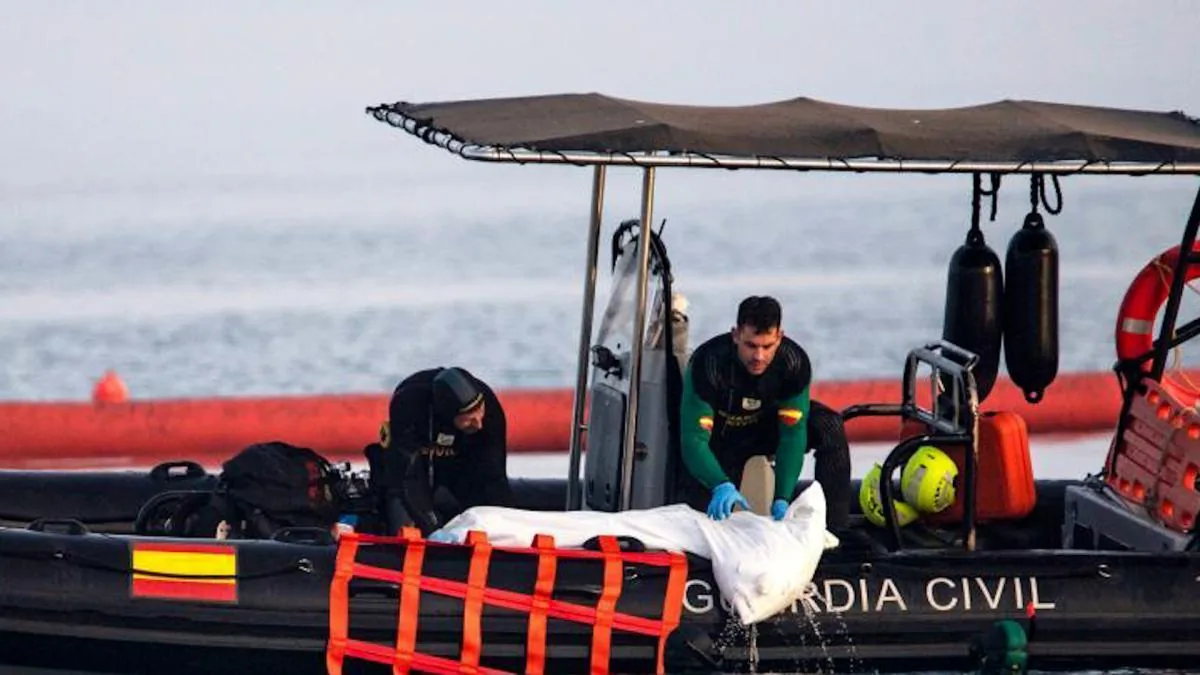
The latest data available is that the Institute of Legal Medicine (IML) of Ceuta has already received the bodies of 79 people who died at sea trying to cross the border into Spain. Of these, forensic doctors have performed a total of 77 autopsies, of which two people have been identified.
Fingerprints and biological samples have been collected from all bodies found at sea. Of these, two people have been identified through fingerprints, since they were registered in Spain. If the rest cannot be identified, legal sources explain that fingerprint data will have to be sent to Morocco for possible recognition.
Read more Russia’s ‘human safaris’: a video shows a drone chasing a Ukrainian civilian