







If Italy became in the collective imagination the country of great defenders, tough but elegant, capable of winning matches with intelligence even before strength, the footballer who best embodied that ideal was Franco Baresi. The legendary captain of Milan and the Italian national team died at 66, after a long illness that had progressively deteriorated his health in recent years. With him disappears one of the best defenders of all time and one of the great symbols of Italian sport.
His career was forever linked to Arrigo Sacchi’s Milan, the team that revolutionized European football in the late 1980s. Beyond the famous Dutch trio formed by Ruud Gullit, Marco van Basten, and Frank Rijkaard, it was a defender who ended up becoming the face of that aesthetic and tactical revolution based on zonal marking. At a time when central defenders were mainly asked to destroy the opponent’s play, Baresi was the axis of a football based on collective pressing, a high defensive line, and offside as a weapon. His raised arm, calling offside to the linesman, became one of the most recognizable images of Italian football.
Baresi was the axis of a football based on collective pressing, a high defensive line, and offside as a weapon
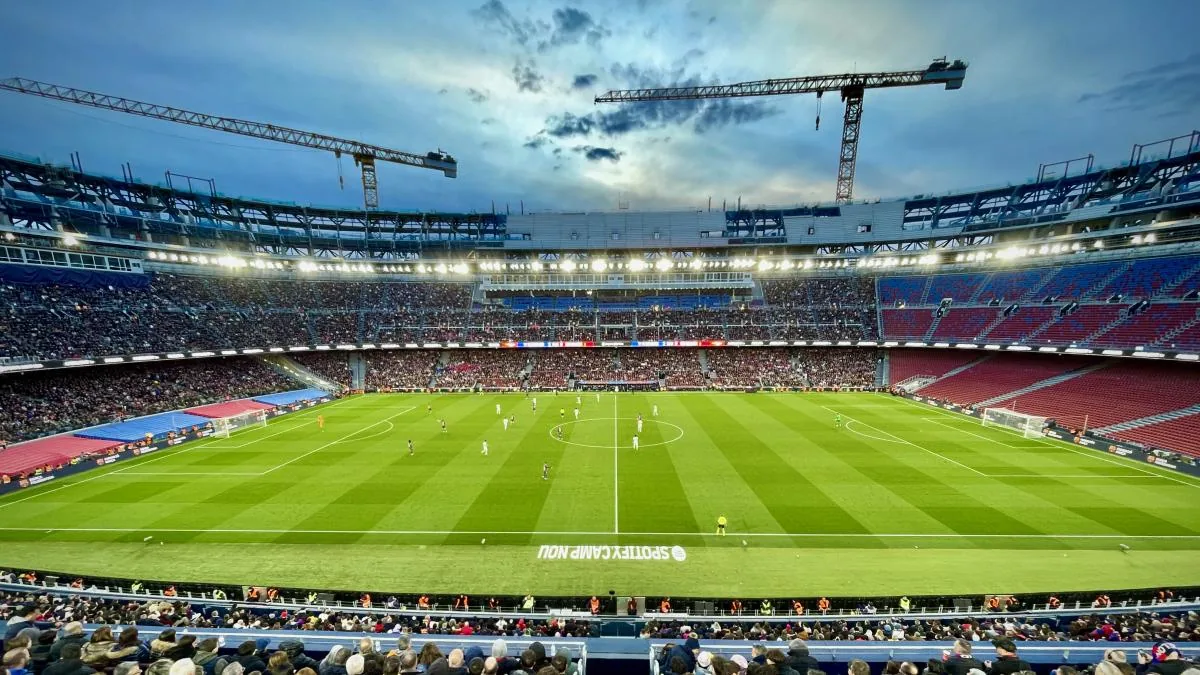
In Barcelona, his name was forever linked to two historic nights. The first was May 24, 1989, when Milan thrashed Steaua Bucharest 4-0 in the European Cup final held at Camp Nou, confirming the birth of one of the best teams in history. The second came on May 8, 1994, when Milan destroyed Johan Cruyff’s Dream Team in the Athens final (4-0), one of the most painful defeats remembered by Barcelona fans.
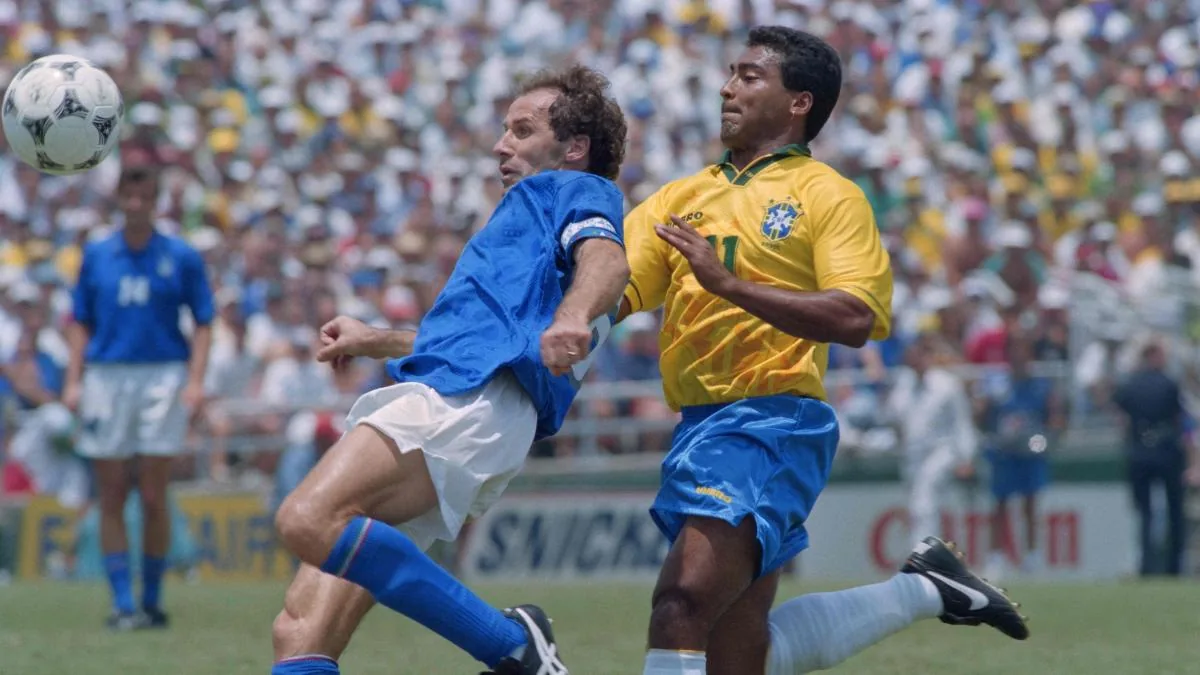
In Italy, however, Baresi’s memory is also linked to a defeat. The 1994 World Cup final in the United States, played in Pasadena against Brazil’s Romário and Bebeto, is part of the country’s collective memory. Twenty-five days before that match, Baresi had suffered a serious meniscus injury against Norway and was urgently operated on. His recovery, in a time that then seemed more supernatural than sports traumatology, was almost a miracle. For 120 minutes he nullified Romário and led the Italian defense with a heroic performance. He then missed the first penalty in the shootout, before Roberto Baggio’s shot gave Brazil the title. That defeat, far from tarnishing his figure, ended up enhancing his legend.
Read more How therapeutic innovation can increase hope and quality of life
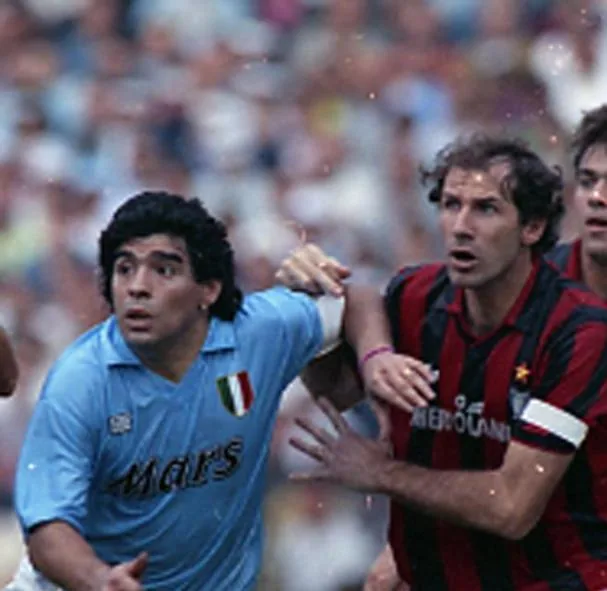
Throughout twenty seasons he wore only one jersey, that of Milan, to which he remained loyal even during the most difficult years, when the club was relegated twice to Serie B. The arrival of Silvio Berlusconi as president in 1986 marked the beginning of a new era: around Baresi and, shortly after, Sacchi, the team that would dominate Europe for the next decade was born. He won six Italian leagues, three European Cups, two Intercontinental Cups, and a long list of titles that made him one of the club’s great icons. In 1989 he was also second in the Ballon d’Or, only behind his teammate Marco van Basten, an exceptional recognition for a defender. When he retired in 1997, Milan decided to retire the number 6 jersey forever, an honor reserved only for legends.
The last image the world will keep of Franco Baresi was on February 6, 2026, during the opening ceremony of the Milan-Cortina Winter Olympics. Still weakened by illness, he completed one of the last legs of the Olympic torch relay alongside another historic Italian defender, Giuseppe Bergomi. That image of suffering and, at the same time, strength, on one of the most symbolic days for Italian sport, perhaps best summarizes who Franco Baresi was. A champion who marked an era and whose legacy does not end with his death.
Read more Tons of ice to cool polar bears in a zoo due to heat waves in Europe