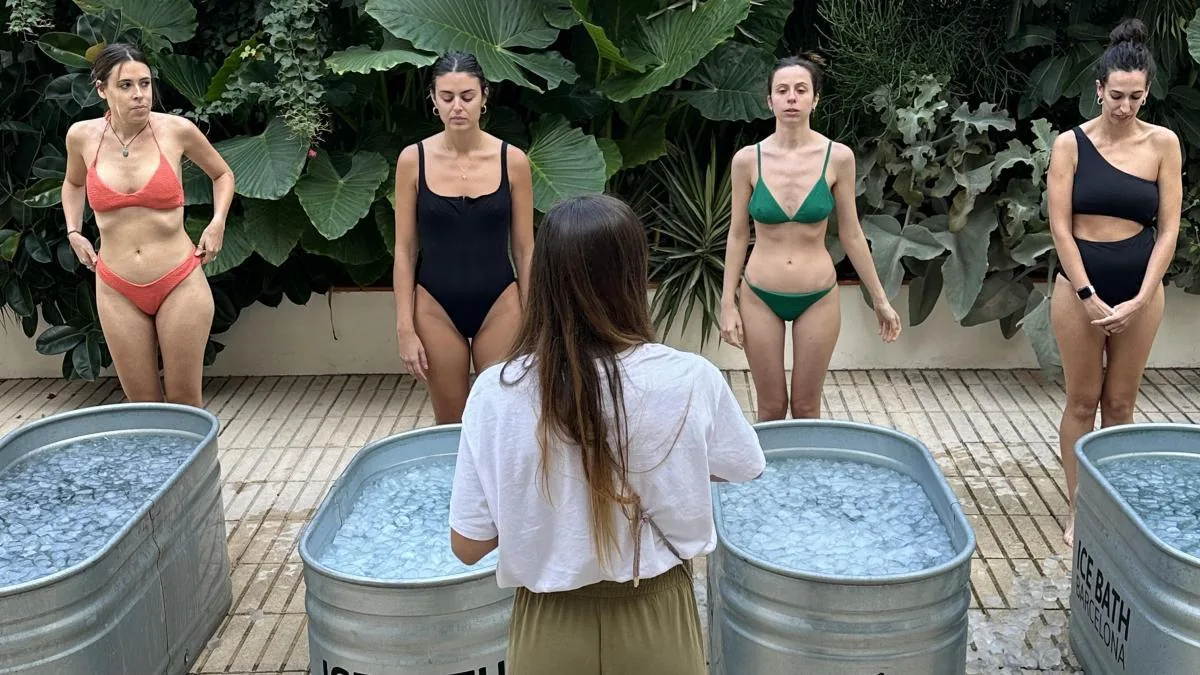
There was a time when luxury consisted of a five-star spa. Now the new symbol of well-being seems to be a three-degree bathtub. Cold plunging, immersion in cold water, has ceased to be an exclusive practice for elite athletes to jump into wellness centers, social media, and wellness retreats. But in the face of this viral phenomenon, a question arises: are we facing a practice backed by science or the latest great wellness trend, or is it simply a moment of showing off?
Many people are even installing their own ice baths at home. The global market for cold water immersion tubs is valued at nearly 338 million dollars in 2024 and is expected to continue growing in the coming years. In Spain, their price varies from 35 to 12,000 € depending on the technology, materials, and cooling system. The expansion is noticeable in Barcelona and Madrid, where in recent years specialized centers have proliferated where ice coexists with saunas, guided breathing, meditation, and other rituals. Executives practice it before starting the day, runners after training, tech entrepreneurs pursuing longevity, and a generation that has turned body optimization into a form of identity.
From sport to emotional well-being
Ice baths originated in sports. For decades, elite athletes used them to promote muscle recovery after intense training or competitions. It has been seen at the start of the Tour de France how cyclists from the British Ineos team submerged their forearms in buckets of icy water. But in recent years, they have made the leap to the general public, driven by social media, the Wim Hof method, and the rise of the wellness industry. Lady Gaga, Madonna, Harry Styles, Jennifer Aniston, and Gwyneth Paltrow are celebrities who confess to having included it in their wellness routine.
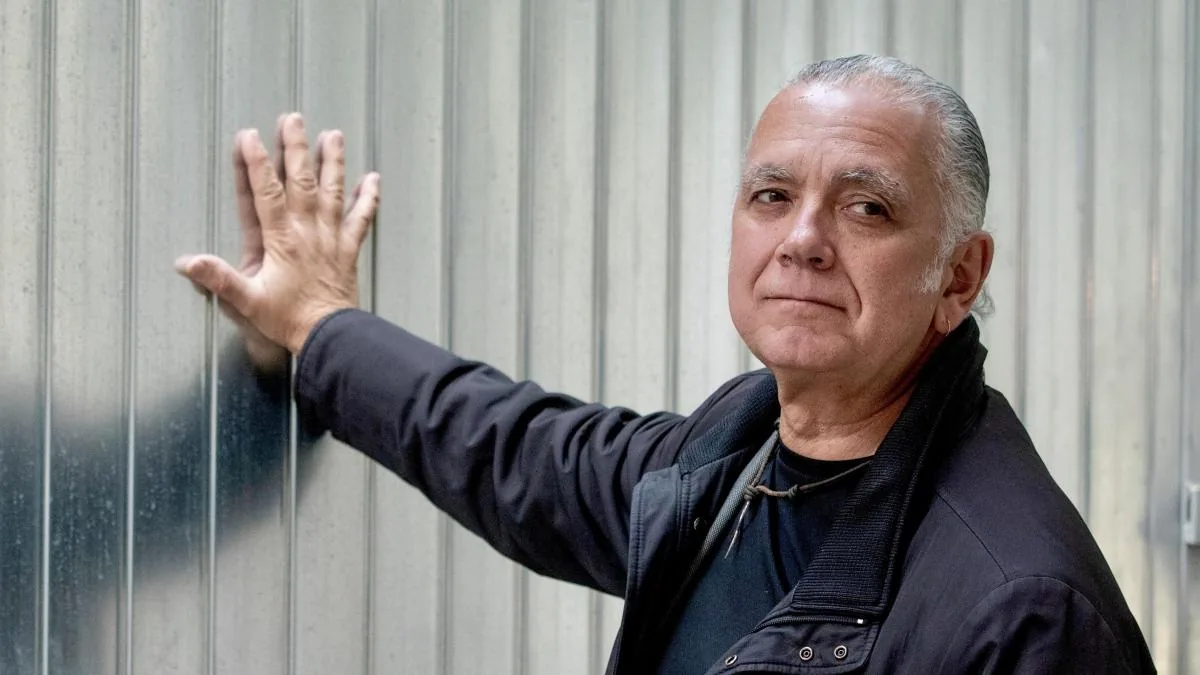
The discourse has changed. It is the language of biohacking: small interventions to optimize the body and mind. Enric Gabarró, founder of ILO Studios, believes that this change responds to a contemporary need. “We live digitally hyperconnected and, at the same time, increasingly disconnected from ourselves; we sell the cold, but what people take away is also having connected with real people,” he explains.
Read also
According to Xenia Tiurin, co-founder of Ice Bath Barcelona and certified Wim Hof method instructor, the rise of ice baths goes far beyond an aesthetic trend or viral images on social media. Although she acknowledges that there is a part of “show” and exposure surrounding this practice, she argues that those who maintain it over time do so because of the effects they perceive on their physical and, above all, mental well-being. After experiencing firsthand the sensation of “mental silence” that cold water immersion produced in her, she decided to train as an instructor and today teaches workshops focused on breathing and cold exposure as wellness tools.
Science is much more cautious
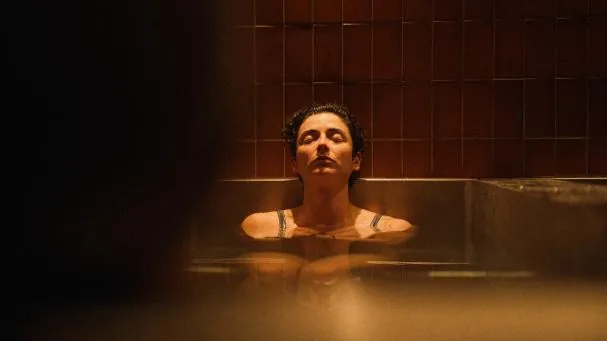
Scientific studies suggest that cold exposure can promote stress reduction, trigger a release of noradrenaline and dopamine—related to feelings of alertness and well-being—and contribute to muscle recovery after exercise. Tiurin acknowledges that more studies are still needed. “It’s a complementary tool,” she insists.
“Sometimes I feel there’s a lot of hype and little rigor,” acknowledges Gabarró, who highlights the most extensive systematic review published to date, prepared by researchers from the University of South Australia and published in PLOS ONE in 2025 after analyzing data from 3,177 participants, which concluded that cold water immersions can reduce short-term stress and slightly improve sleep quality. Australian doctor Samuel Cornell and English physiologist Michel Tipton summarize in an article in The Conversation that most claims about mental health, testosterone, and weight loss are not supported by solid evidence. Rather, they are anecdotal and amplified by influencers.
Carlos Revuelta, director of the Master’s Degree in High Performance Sports at the European University, insists. “Science does not say that ice baths improve health; it says that, at a certain temperature, for a specific time, and in a specific population, they can produce certain effects,” he summarizes. For the expert, solid evidence is concentrated on recovery after intense exercise and the reduction of muscle pain, while many of the promises about longevity or general health still lack sufficient support.
In sports: when yes and when no
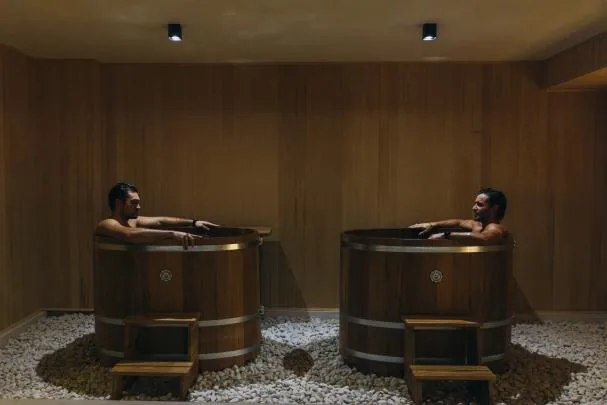
Where there is greater scientific consensus is in the sports field. As Revuelta explains, the most solid scientific evidence is concentrated in a very specific area: recovery after intense exercise. Cold water immersions help reduce the perception of muscle pain and the well-known delayed onset muscle soreness (DOMS) thanks to the reduction of acute inflammation and the vasoconstriction caused by cold.
Read more The White House tightens its grip on AI companies to compete with China
Ice baths help to recover better after long sessions that heavily load the legs, Hyrox, intense cardio, or running, although with important nuances, emphasizes Rodrigo López, co-founder of the Revive recovery center in Madrid, such as that cold is not always recommended immediately after exercise. “Right after finishing a strength training session aimed at gaining muscle mass, immediate cold can be counterproductive,” he explains. The reason is that the inflammation felt as “uncomfortable” after lifting weights is actually part of the process that activates protein synthesis and muscle growth. “Applying cold right after can slow down that response,” he points out.
What are ice baths like? Three minutes that feel like an eternity
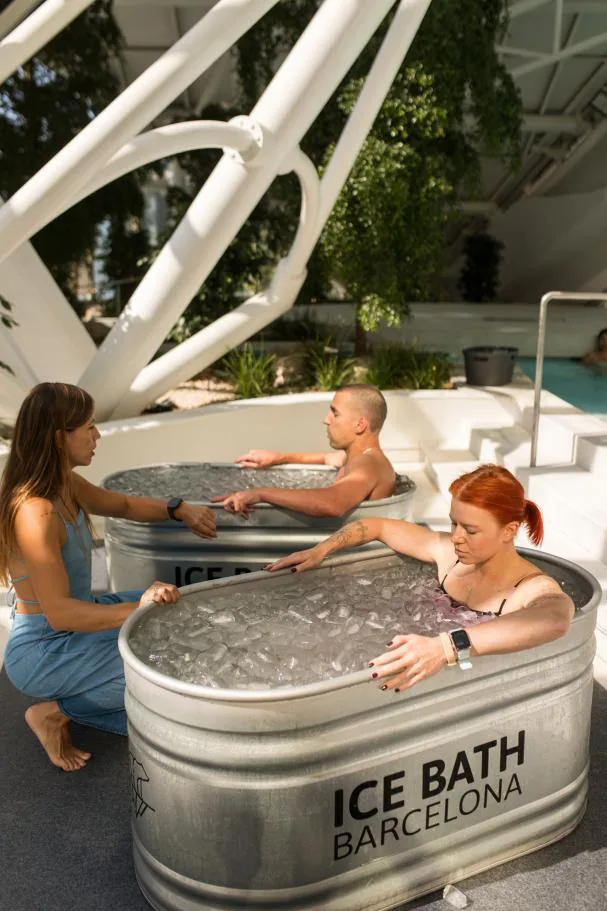
Wim Hof, known as the Iceman, popularized this practice. In fact, the athlete and fitness guru developed the method that bears his name and is based on three pillars: breathing, cold exposure, and mental focus.
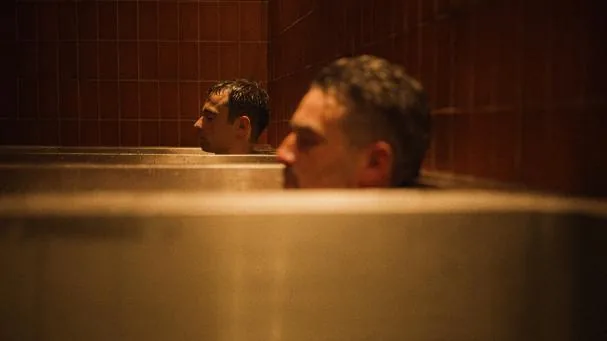
I sign up for an “Anxiety Release” session at ILO Studios, a class that promises to release accumulated tension in the body, calm the mind, and improve emotional resilience through contrasts between sauna and ice baths. The experience begins far from the cold. For several minutes, we remain in the Finnish sauna at 90ºC performing self-massages, tapping exercises, and guided breathing. Everything seems calm until it’s time to face the tubs. Unlike at home or in social media photos, in the different recovery centers or wellness studios, there are no ice cubes in the tub. The temperature is usually regulated between 3 °C and 15 °C. I choose the nine-degree one, an intermediate setting, accessible to stay for 2-3 minutes and practice slow nasal breathing under stress…
As soon as I put my feet in, I feel as if thousands of icy needles are running through my legs. The water reaches my shoulders, and then the body takes over from the head. My muscles tense immediately. I can barely feel my feet. My backside seems to turn to stone. Just over a minute has passed when I give in. I can’t take it anymore. “I have to get out,” I tell the instructor. And I do, with the feeling of not having achieved what everyone describes as “disconnecting.” We repeat two more rounds, and in the second, I manage to hold on for a minute and a half. But I get out again before the scheduled time. “It was very hard for me to connect with my mind,” I confess to the instructor. “It’s completely normal,” she replies. “The first time is usually like that. The important thing is not the time, but learning to breathe,” she explains.
I talk to other participants. A young woman explains that her company gave her the session as part of a corporate wellness program. Another attendee says she comes frequently for health reasons and that it feels fantastic. At the end of the session, I notice my body is surprisingly light. In the middle of Barcelona’s heatwave, I feel fresh for hours, relaxed, and with brighter skin.
A practice that requires caution
Although increasingly popular, ice baths should be practiced with caution. Carlos Revuelta reminds us that they are not recommended for people with certain cardiovascular diseases, recent epilepsy, cold-related pathologies, or pregnant women, and advises undergoing a medical check-up before starting. Furthermore, he emphasizes that the first immersions should always be done under supervision, as thermal shock can hinder movement. Along the same lines, Rodrigo López insists that “colder” does not mean “better”: benefits are already obtained with temperatures between 10 and 15 ºC and sessions of just two to four minutes.
Only for men?
Although ice baths originated in high-performance sports, the profile of those who practice them today is much more diverse. At ILO Studios, for example, women predominate. “We don’t talk so much about physical recovery as about personal growth,” explains Gabarró. Xenia Tiurin observes a similar evolution at Ice Bath Barcelona, where athletes coexist with people who come out of curiosity or in search of tools to manage anxiety and improve their emotional well-being. Rodrigo López agrees that the phenomenon has become democratized and that today the profile is much more balanced between men and women, especially among those who practice disciplines such as running or Hyrox. But always with caution and advice.
Read more Trump overcomes judicial hurdle and finalizes new tariffs on 60 countries