The European Commission has today imposed a fine of 550 million euros on AliExpress for the Chinese platform’s failure to control the risks related to the sale in the European Union of illegal, unsafe, or counterfeit products on its electronic marketplace. This ranges from toys to dangerous cosmetics that circulated freely on the platform and, in many cases, remained online for weeks after being detected until they were removed. The company intends to appeal a “disproportionate” sanction, Reuters reports.
Read more Online shopping on cheap Chinese websites reduces revenue by 1 billion
Brussels considers that the Asian giant has violated the European Digital Services Act (DSA) by failing to properly assess or mitigate the systemic risks associated with the sale of illicit products on its platform, and, as it recently did with its competitor Temu, imposes a multimillion-euro sanction to make it change this business model. In this case, the sanction is much higher than Temu’s (only 200 million). The regulation allows fines of up to 6% of the company’s global turnover and, with approximately 193 million users in the European Union, AliExpress is currently the largest of the three major Chinese platforms operating in the community market, ahead of Shein and Temu.
Lack of staff
The workload was so large that human moderators had barely 10 or 20 seconds to review each product
The popularity of Chinese platforms selling online at ridiculously low prices has skyrocketed so much in Europe that Brussels has decided to target this model, not only because they may represent unfair competition for European companies, but also because they do not meet the minimum European standards to identify products illegal for consumer health. In this case, after a thorough investigation, the Community Executive believes that AliExpress committed several negligence.
To begin with, it did not properly assess whether it had enough staff to review potentially illegal products. In some cases, the workload was so large that human moderators had barely 10 or 20 seconds to review each product. Then, AliExpress’s recommendation and advertising systems highlighted prohibited items and actively recommended dangerous products to consumers before they were removed, such as these cosmetics or toys that remained for sale for weeks despite being flagged as potentially harmful to European consumers.
Read more Mortgage signings slow down and break a nearly two-year upward streak
Also read
Furthermore, Brussels believes that malicious sellers can very easily bypass controls by misclassifying them. For example, some merchants classified toys in categories with less supervision to avoid stricter safety controls. Also, according to Community technicians, the “brand authorization” system, designed to prevent counterfeiting, has failed.
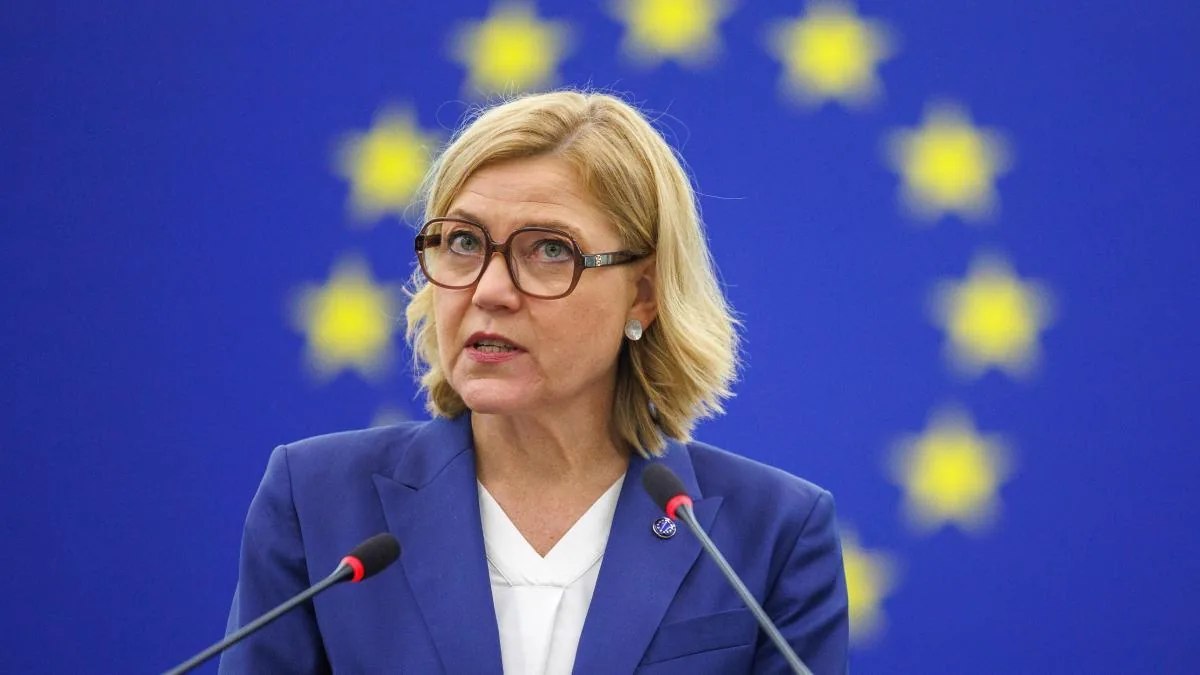
AliExpress now has until October 20, 2026, to submit a detailed action plan that remedies these systemic failures and, if it does not comply with the implementation measures subsequently agreed upon, the platform could face additional coercive fines. “The proliferation of counterfeit clothing, unsafe toys, dangerous cosmetics, and other illegal and harmful products is not an inevitable cost of online shopping: it is a breach by AliExpress of the obligations imposed by the Digital Services Act,” warns Henna Virkkunen, Executive Vice President of the European Commission for Technological Sovereignty, Security, and Democracy. “Turnover is not an excuse; it is necessary to systematically identify and address risks to ensure that consumers can shop online safely,” the commissioner maintains.
Read more What do the neighbors of Barcelona eat? There are areas without access to fresh and healthy products