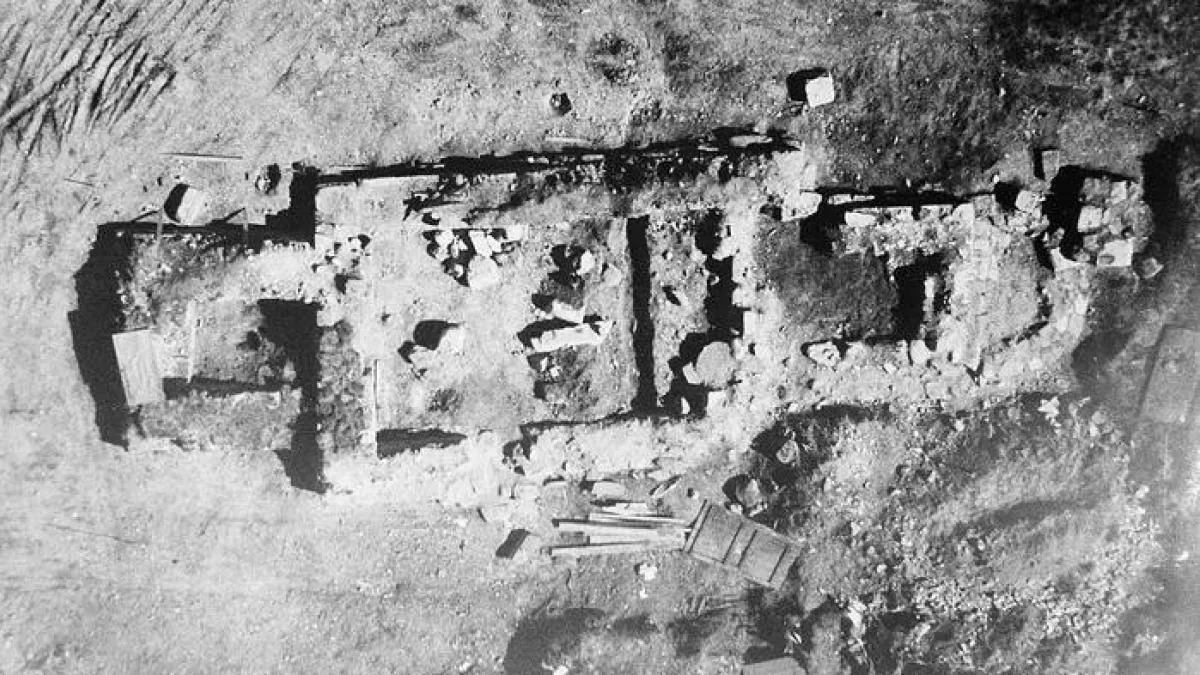
Burying babies with their fathers, mothers, grandparents, or siblings in the same grave has been common throughout human history. What is surprising, however, is that these children were buried with adults with whom they share no biological relationship. That is precisely what the first Christian communities in Sweden did during the Middle Ages.
Read more The 3.0 preseason of Flick’s Barça kicks off with Fermín, reunions, and new faces
Researchers from Stockholm University analyzed the DNA of 142 individuals, including more than 60 children and adolescents, dating from between the year 800 and 1100 AD. All were buried in multiple graves at sites in Sigtuna (near Stockholm), Västerhus (Jämtland), and Fjälkinge (Skåne).
Extremely rare close relatives
The results show that close biological relatives were extremely rare among people buried in the same niche, even in cemeteries where high levels of kinship could be detected, archaeologists note in an article published in the journal Science Advances.
“We often assume that adults and children who share a grave are parents and children or other close relatives. On this occasion, however, most cases were not like that,” says Maja Krzewińska, from the Paleogenetics Center at Stockholm University and lead author of the study.
When Christianity spread through Scandinavia at the end of the 10th century, funerary practices became standardized. Graves were oriented east to west and people were buried with a simple shroud, without any grave goods. Those baptized were allowed to be buried in consecrated grounds, but babies who died before this sacrament were excluded.
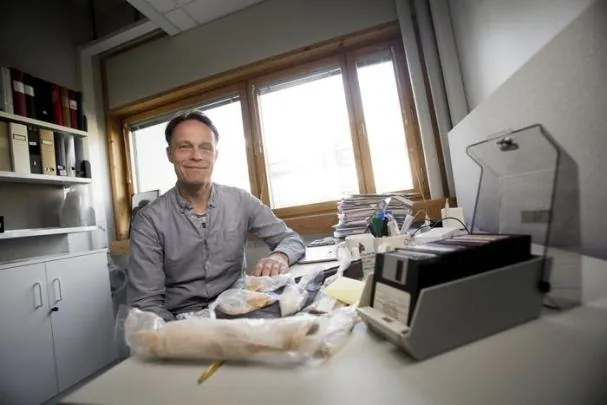
The findings made in Sweden suggest that factors other than kinship ties often influenced who was buried together. “For a long time, there was debate about the relationships between people buried together, and the study of ancient DNA has finally given us the tool we were waiting for,” adds Anna Kjellström.
Also read
Experts believe that some of these children buried with adults may not have been baptized. Unable to be buried in the cemetery, they may have been interred alongside an adult to circumvent religious rules. Another hypothesis is that unrelated people were buried together in spring after dying in winter, when it was impossible to bury them in frozen ground.
Read more Ayuso denounces «the betrayal and trap» of Sánchez with the regional financing system
There is even the assumption, based on a more distant genetic affinity, that some joint burials represent more distant family relationships or even non-biological kinship. In early medieval Scandinavia, households often included distant relatives, servants, employees, and enslaved people.
The study also sheds light on the lives of children in paleochristian Scandinavia. Thus, the biological sex of children too young to be identified osteologically could be determined. Babies of both sexes were usually buried according to the same cemetery rules as adults.
In Västerhus, for example, where men and women were usually buried on opposite sides of the cemetery, boys and girls followed the same pattern. This suggests that gender identity was recognized from an early age. “The little ones were not treated as a separate category. They followed the same social and religious principles as adults,” says Professor Anders Götherström.
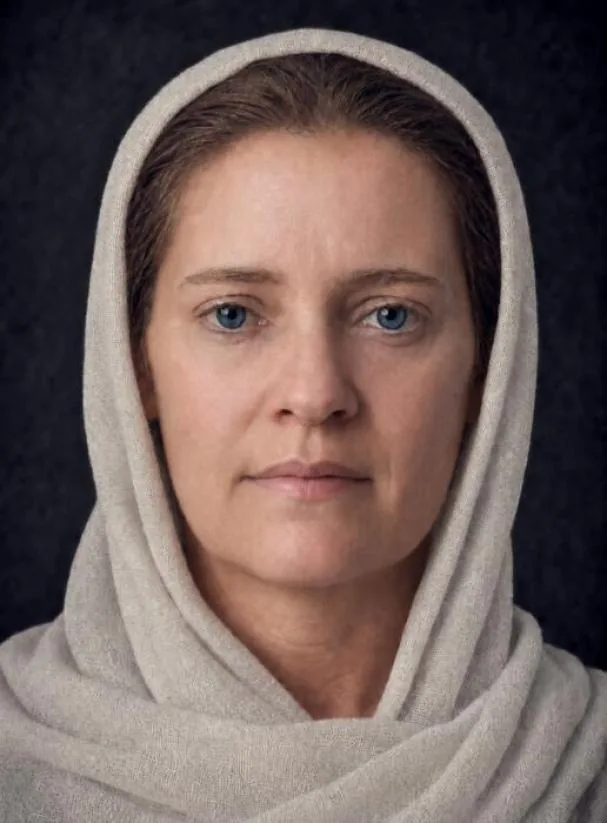
Archaeologists also identified a unique family in the medieval cemetery of Jämtland: A woman, known to researchers as Lady 56 and who died before turning 30, could be linked to several relatives buried at the same site, including her parents, brother, and two daughters.
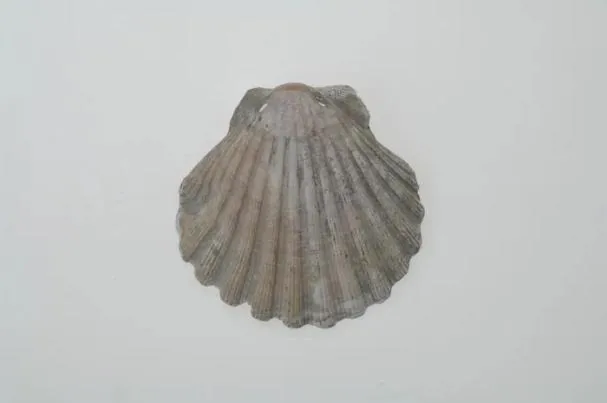
Alongside her was found a scallop shell, an uncommon object in a medieval Scandinavian grave and a well-known symbol of pilgrimage to Santiago de Compostela. The finding suggests she completed one of the most famous journeys of medieval Europe, traveling thousands of kilometers to the other end of Europe before returning home.
Västerhus was part of the estate of a wealthy landowner between the 11th and 14th centuries, and its cemetery contained the remains of more than a dozen members of a biologically related group, many of whom were buried alongside members of another family group.
Read more Ayuso attacks regional financing for which Catalonia «is going to take 22%»