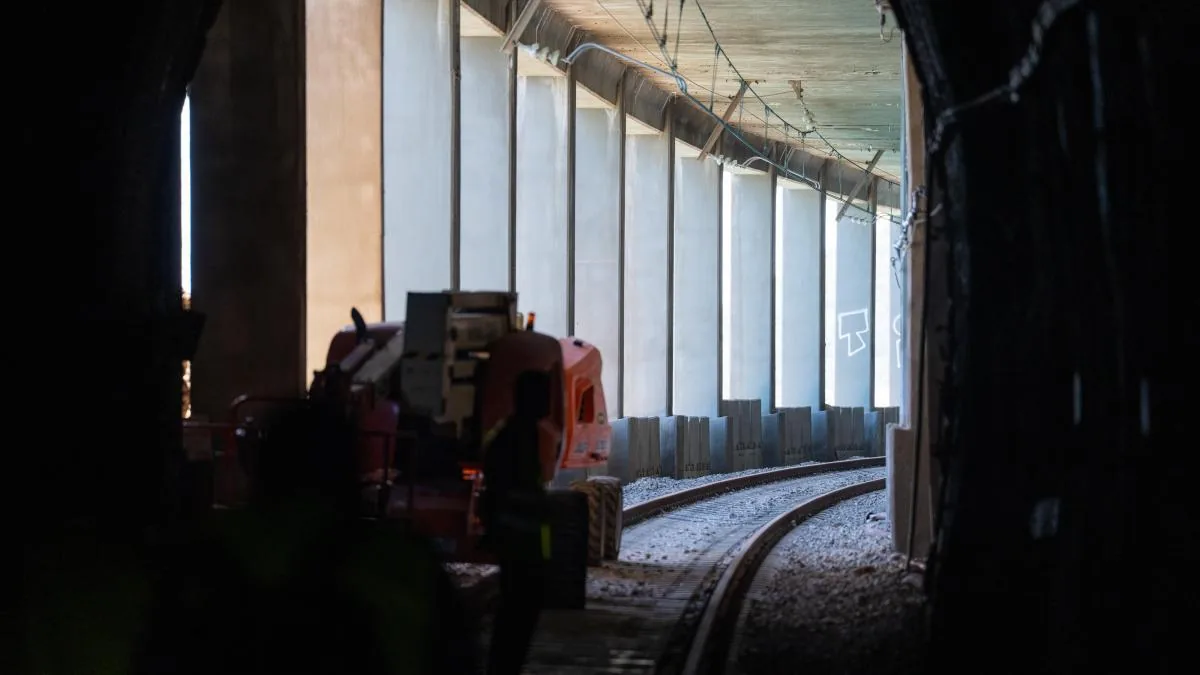
The Garraf tunnels, with pillars next to the sea suspended in the air and viaducts shored up with visibly deteriorated concrete columns, became a symbol of the poor state of the railway network in Catalonia. They had been in this condition for several months, but the works considered an emergency were never truly urgent, until everything blew up after a landslide caused the death of a trainee driver in Gelida.
Read more LG wants you to never worry again about the most feared air conditioning breakdown
Then, to avoid another tragedy, 400 workers from the Railway Infrastructure Administrator (Adif) were activated and reviewed the tracks inch by inch, repaired slopes and trenches, cut trees next to the tracks… And then, the works on the Garraf tunnels were scheduled as soon as possible. They began in mid-March and, after an investment of about three million euros, will finish a few days earlier than planned. This is a milestone that rarely happens. And when it does, it is so remarkable that even the Secretary of State for Transport, José Antonio Santano, attends the site to celebrate it.
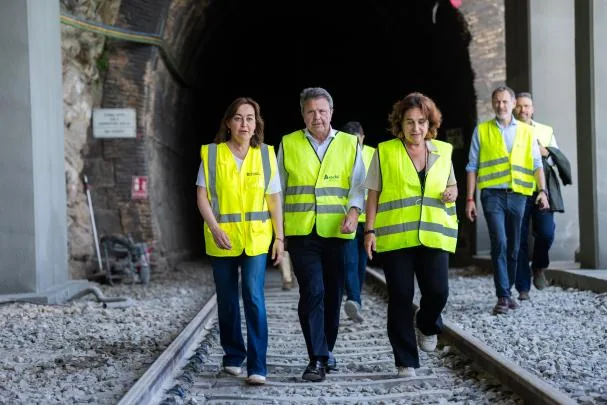
He did so this Wednesday, accompanied by the Minister of Territory, Sílvia Paneque, to announce that next Monday the emergency work on tunnels and viaducts will be completed, whose renovated appearance inspires much more confidence than a few months ago. Even so, it will not be the final result expected for this place. Santano confirmed that at the beginning of next year, the Ministry of Transport will put out to tender the works for the major renovation of the Garraf tunnels for an approximate amount of 280 million euros and several years of work. Three, at least.
The objective is to drill through the rocks on the mountain side to widen the tunnel and move the two traffic lanes inside, thus leaving the tunnel closest to the sea – where urgent work has been carried out in recent months – as an evacuation gallery to comply with the safety standards that would be required of an infrastructure of these characteristics if it were built today instead of more than a century ago.
These are works “as annoying as they are necessary to have an efficient and reliable Rodalies system” in the words of Minister Paneque, and they will bring significant disruptions. The Ministry and the Generalitat are working hand in hand to divide the work into as many phases as possible to minimize cuts and inconveniences for users. These would begin, in the best case, “after the summer of 2027,” the date set by the Secretary of State for the start of the works.
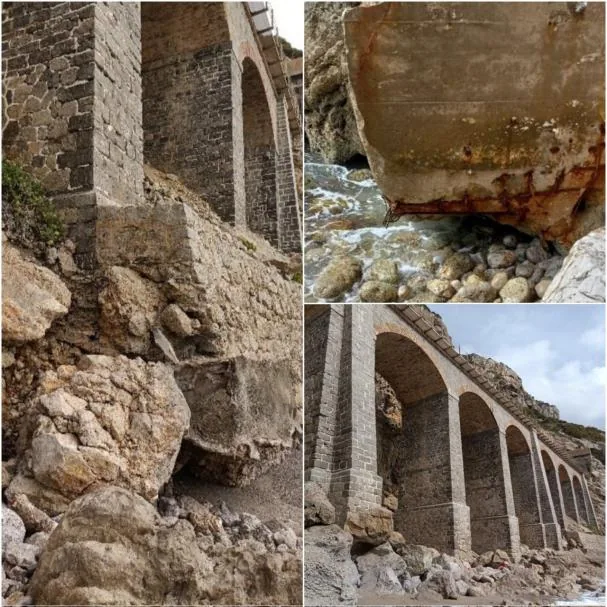
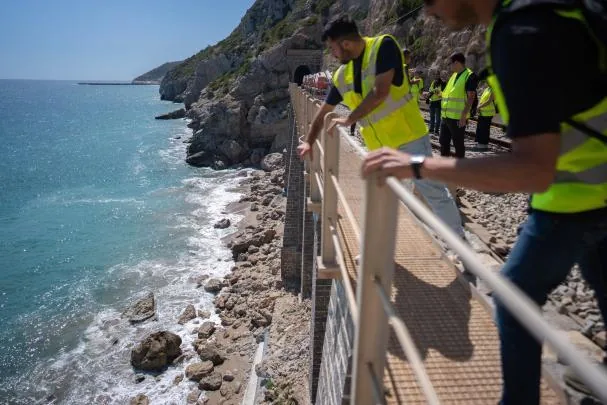
For now, the completion of the current emergency works will allow the usual circulation of regional trains from the south and the R2 Sur to be fully restored. However, it will not be on the same Monday. Once the works are finished, Rodalies officials will accept the work and carry out the agreed “white runs” with the drivers and the Semaf union, as agreed in January for each service restoration after works or serious incidents.
This could extend the recovery of passenger circulation from a few hours to a few days. Whether it’s Tuesday, Wednesday, or Thursday, trains are expected to run again during the week, and the alternative road plan, which forces travelers from Tarragona and southern Catalonia to take a bus between Sant Vicenç de Calders and El Prat de Llobregat, will be concluded.
The R3 will remain cut between Montcada and Mollet until next year
Things are not looking so good on the R3. The collapse of a wall at the cement factory next to Montcada Bifurcació station prevents the recovery of part of the line’s circulation between Barcelona and Mollet Santa Rosa this June. Adif must rebuild 700 meters of the wall next to one of the tracks, so the cut between Montcada and La Garriga, in force since September last year, will remain as is until January next year, with the corresponding alternative road service.
Read more A snake intrudes among the bathers at Platja de Palma de Mallorca