A single dose of an RNA therapy reduces LDL cholesterol levels by more than 60% for at least one year, according to preliminary results from a clinical trial presenting a new strategy against cardiovascular diseases.
Read more Disagreement blocks 9.1 billion in aid to reduce CO2 in transport and housing
The therapy is designed to permanently eliminate the production in the liver of the enzyme PCSK9, which promotes high levels of LDL cholesterol (or bad cholesterol). People who cannot produce the PCSK9 enzyme due to a genetic alteration usually have low LDL cholesterol levels and an eight times lower risk of heart attack than the rest of the population. The new therapy aims to create the same cardioprotective effect as these genetic alterations.
It has been developed by the American biotech Verve Therapeutics, which in June last year was acquired by the multinational Eli Lilly for 1 billion dollars. Eli Lilly’s investment indicates the potential that the pharmaceutical industry sees in RNA gene editing to treat excess cholesterol.
The results of the first 35 patients treated in the clinical trial indicate that the therapy is safe and effective
Although effective therapies to reduce cholesterol already exist—among them, a drug against PCSK9 available in Spain since 2023—between 30% and 50% of patients discontinue treatment before one year, according to data from the U.S. An effective long-term treatment, potentially for life, would help solve the problem.
The new therapy, currently called VERVE-102, is based on a lipid nanoparticle designed to bind to liver cells. The nanoparticle carries inside two small RNA fragments, which are released upon reaching their destination. One of the fragments is designed to find the gene that produces the PCSK9 enzyme in liver cells. The other is to disable this gene.
It is based on genetically editing liver cells so they do not produce the PCSK9 enzyme, which raises LDL cholesterol
The treatment is administered through a single intravenous infusion over four hours. The clinical trial, which started in 2024 and is expected to end in 2027, is being conducted in 22 hospitals across six countries (U.S., Canada, United Kingdom, Israel, Australia, and New Zealand). It is planned that 85 patients with familial hypercholesterolemia or who have suffered coronary disease at an early age (before 56 years in men; before 66 in women) will participate. Participants receive different doses to evaluate the safety and efficacy of each.
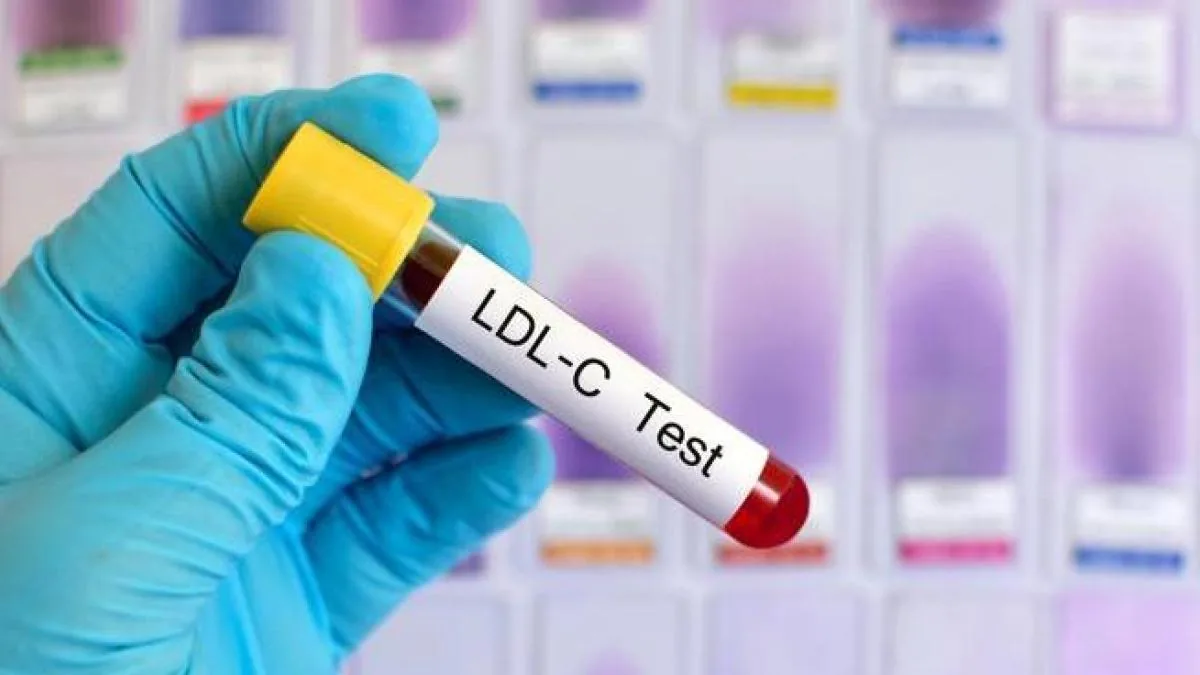
According to the results published today in The New England Journal of Medicine, corresponding to the first year of follow-up of the first 35 participants, the higher the administered dose, the greater the effect. In the seven people who received the highest dose (1 milligram per kilogram of weight), the PCSK9 level in the blood was reduced by an average of 88% and LDL cholesterol by more than 60%: it dropped from 128 mg/dl (risk level) to 51 (safe level).
Read more Mango reorganizes its powers and strengthens internal controls
Eli Lilly has bought the biotech Verve Therapeutics for 1 billion dollars to have the therapy
At the other end, in the four people who received the lowest dose (0.3 mg/kg), the PCSK9 level was reduced by 51% and LDL cholesterol by only 9%. The other 24 participants received intermediate doses, with intermediate decreases in PCSK9 and LDL cholesterol as well. The differences are attributed to the fact that the higher the dose, the greater the number of liver cells in which PCSK9 production is eliminated.
The study authors highlight in the article presenting their results that “gene editing therapies have the potential to generate permanent therapeutic responses because they act at the DNA level.” The fact that the observed benefits persist up to 12 months, when the lifespan of liver cells is usually between seven and ten months, “suggests that gene editing persists beyond hepatocyte turnover.”
But the most relevant result for the future is that no significant adverse effects attributable to the therapy have been reported. 20% of participants experienced infusion-related discomfort that resolved spontaneously, except in two people who were given paracetamol or antihistamines. One case of lung inflammation (pneumonitis) was recorded but was determined not to be related to the therapy.
The company halted a clinical trial of another gene editing therapy against PCSK9, called VERVE-101, after a participant suffered a serious adverse effect, with a significant elevation of a liver enzyme and a drop in platelets. In the new therapy, the lipid nanoparticle carrying the RNA has been modified to avoid this risk.
“These results support the continued development of VERVE-102 as a treatment for hypercholesterolemia,” conclude the research authors. The U.S. Food and Drug Administration (FDA) is expected to accelerate its approval if its efficacy and safety are demonstrated. Neither Verve Therapeutics nor Eli Lilly have yet revealed plans to start a phase 2 clinical trial after the good results announced today.
Read more Sánchez and Meloni will not finally hold their meeting in Rome due to «scheduling conflicts»