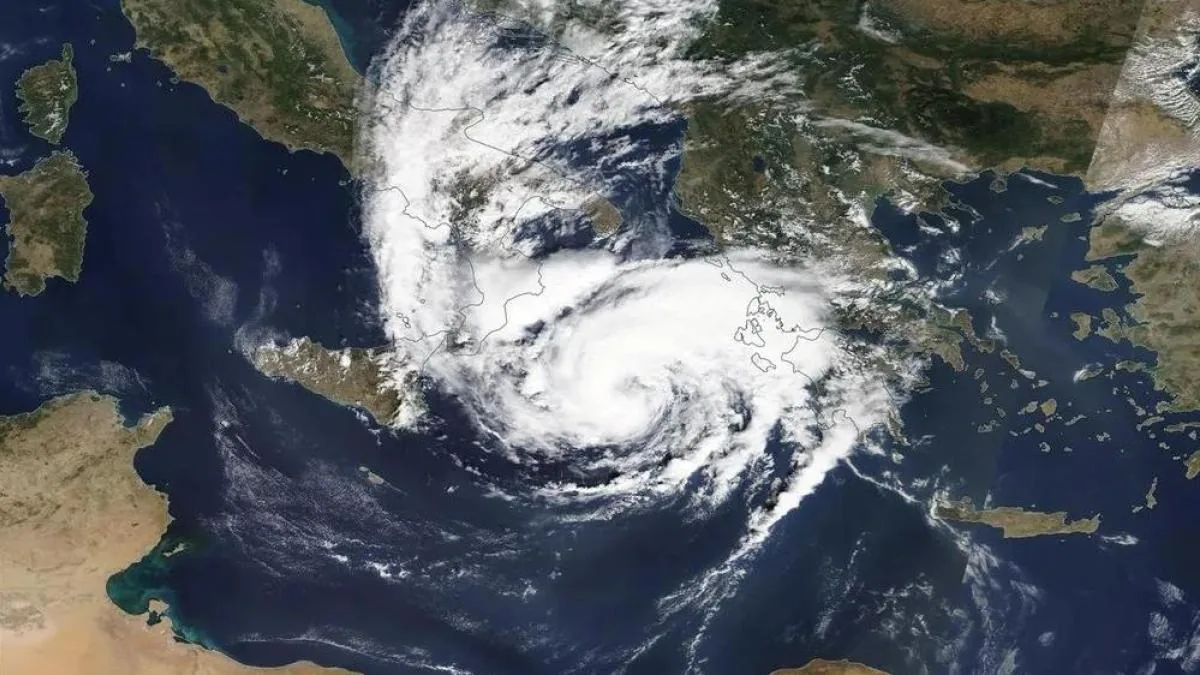








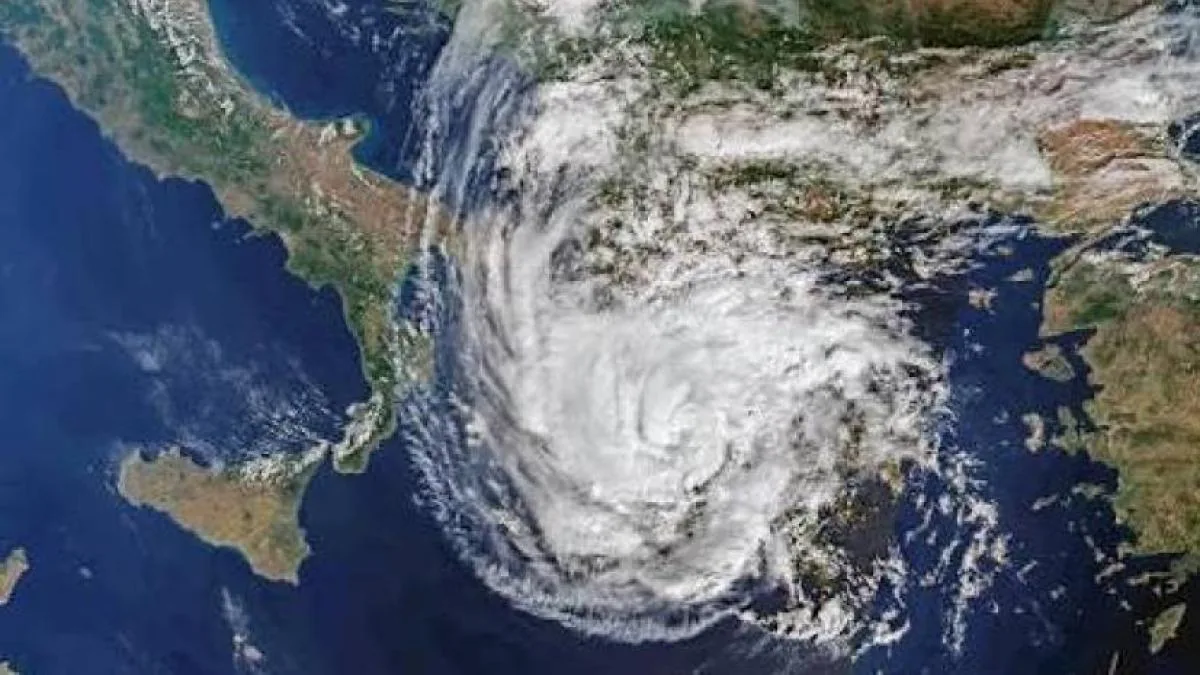
The central and eastern Mediterranean region is awaiting a possible cyclone this week, which could be a medicane, a Mediterranean cyclone with certain characteristics similar to those of a tropical cyclone. The phenomenon will form and mainly affect the northern Africa area, Sicily, and Malta. Likewise, the intensity and danger of this type of meteorological events could worsen in the coming years due to greater energy availability from the high sea temperatures, reports the State Meteorological Agency (Aemet).
Read more Trial set for judgment against Meta for the dismissal of 2,100 workers in Barcelona
Rainfall has already appeared in the central Mediterranean, between the coast of Libya and Sicily, although so far with little activity and no lightning. Weather warnings remain yellow and the tracking of the storm is constant to monitor its evolution.
If a medicane forms, its trajectory will likely be eastward, with most of its activity at sea, although this Wednesday it may partially affect Crete, says José Ángel Núñez, Aemet spokesperson.
The term medicane comes from the English acronym of the words Mediterranean hurricane. It is a Mediterranean cyclone with certain characteristics similar to those of a tropical cyclone and mainly affects maritime areas, islands, and coastal zones.
Although the fierceness of these structures is notably lower than that of an Atlantic hurricane or a Pacific typhoon, and their life cycle is shorter with relatively high predictability of the structure, it is the most violent type of Mediterranean cyclone.
In Spain, although Mediterranean cyclones can arrive, it is not very common for medicanes to affect the country; they usually impact other areas of the central and eastern Mediterranean. Therefore, this week’s one will not affect Spain, reassures Aemet. Normally, in Spain, cyclones occur that do not have these tropical characteristics but do produce adverse effects.
Medicanes
These phenomena pose a serious danger to populations on Mediterranean coasts
These phenomena are identified by a very characteristic cloud structure, with a cyclonic spiral shape, almost circular. They have intense convective activity and present a central cloud-free area, known as the medicane’s eye, reminiscent of tropical cyclones but much smaller in size.
They also have a warm core, due to the heat released by the condensation of water vapor. There is barely any wind in the center, but it is surrounded by a high-speed spiral wind circulation.
Read more What we want, deep down, are classic series (and well made)
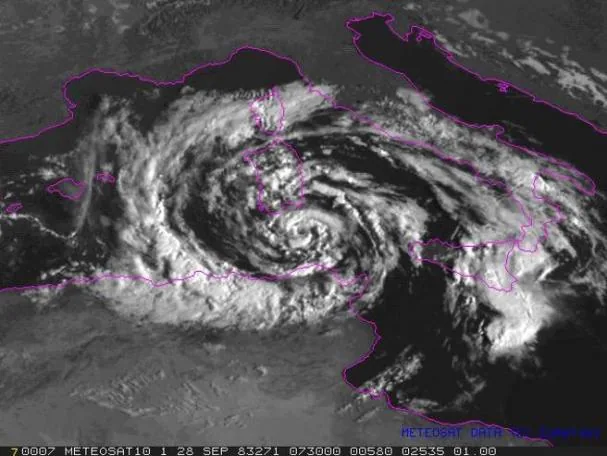
The effects of these cyclones pose a serious natural hazard to populated areas on Mediterranean coasts, as they produce extreme winds and rainfall, explains José Ángel Núñez.
Moreover, already in September 2023, three years ago, a medicane caused catastrophic flooding in Libya, leaving more than 11,500 dead and 10,000 missing. The brutality of the phenomenon devastated the city of Derna, destroying nearly 900 buildings.
Climate change
These phenomena are more common in autumn due to high temperatures
The sea water temperature is an important factor in the development of these structures, which is why they are more frequent in autumn, although they have also been recorded in winter, explains the spokesperson.
Initially, the starting point is usually a front or a dana, and what happens is that the release of latent heat as it passes through the Mediterranean intensifies them, slows their movement, and gives rise to a warm and symmetrical core, similar to hurricanes, which, however, have a different origin.
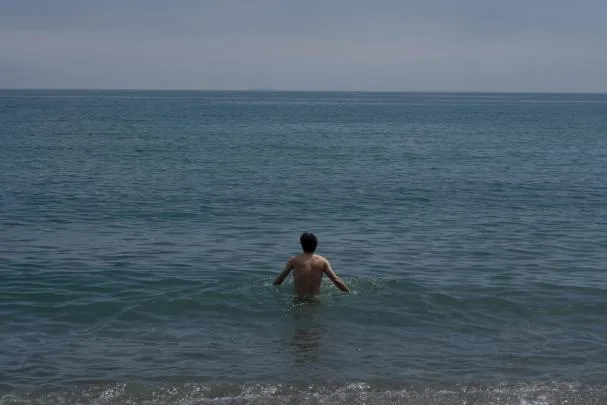
Therefore, the high temperatures the sea has reached this summer have been one of the key ingredients for this phenomenon. After a summer that has broken all heat records to date — 2026 has been the warmest in the historical series (which begins in 1961), with an average temperature of 24.5 ºC and 61 days under a heatwave — the Mediterranean has reached heat peaks in the Balearic Islands of more than 33º C or more than 30 °C in Tarragona and Barcelona.
Also read
What role does climate change then play? Recent studies state that it is not clear that climate change will increase the number of this type of cyclones, which usually occur once or twice a year, explain Aemet.
However, although the frequency may not be affected, what can be affirmed is that, due to greater energy availability, medicanes could become more dangerous over time, with longer duration and more intense winds and rainfall.
Read more Italy extends travel controls from Spain for another 15 days, which responds with the same measure